 April 2024 in “Medical & clinical research”
 More research is needed to find the best long-term treatments for Alopecia Areata.
 April 2024 in “Research Square (Research Square)”
 Selenium supplements can help improve symptoms and metabolic markers in lupus patients.
 April 2024 in “International Journal of Research Publication and Reviews”
 Alopecia areata causes hair loss with varied treatment responses and frequent relapses.
 April 2024 in “Research Square (Research Square)”
 A 27-year-old with APS-1 showed improvement in symptoms after treatment.
 March 2024 in “Vestnik Rossijskogo universiteta družby narodov. Seriâ Agronomiâ i životnovodstvo”
 Wnt and Shh signaling are key in noggin-induced tumors, and blocking them can slow tumor growth.
 March 2024 in “Frontiers in genetics”
 Different types of fibroblasts play specific roles in wound healing and cancer, which could help improve treatments.
Dutasteride is more effective and better tolerated than finasteride for hair loss treatment.
 January 2024 in “International Journal of Advanced Biochemistry Research”
 Nexgard® effectively treated a dog's skin condition, demodicosis.
 January 2024 in “Annals of Dermatology”
 Current treatments for Alopecia Areata don't fully meet patients' needs, indicating a need for better therapies.
 December 2023 in “American Journal of Animal and Veterinary Sciences”
 Immature blackbuck pancreas has underdeveloped goblet cells and similar Langerhans islets in both sexes.
 December 2023 in “Frontiers in microbiology”
 Mannan oligosaccharides improve raccoon dogs' fur quality and overall health.
 December 2023 in “Intisari Sains Medis”
 SLE and DM can coexist but are rare and need careful evaluation.
 November 2023 in “Research Portal Denmark”
 Baricitinib shows promise for severe alopecia areata but isn't a cure and has side effects.
 November 2023 in “Scientific reports”
 The research identified and described a gene important for hormone conversion in endangered catfish, which varies in activity during different reproductive stages and after hormone treatment.
November 2023 in “Вопросы современной педиатрии” Genetic testing can diagnose hair loss linked to DSG4 gene variants.
 October 2023 in “Al-Kauniyah”
 Gibbons at Tegal Alur Animal Rescue Center need better feed management to improve their health and weight.
 September 2023 in “Journal of Parasite Science”
 The dog's skin condition improved significantly after seven days of treatment.
 September 2023 in “Journal of Nepal Paediatric Society”
 Skin infections and rashes are the most common skin problems in children.
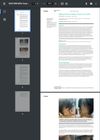 September 2023 in “Cureus”
 Early recognition and treatment of atypical alopecia areata in infants are crucial.
 July 2023 in “Endocrinology, diabetes & metabolism case reports”
 Sertoliform endometrioid carcinoma of the ovary, though rare, has a good prognosis when treated early.
COVID-19 can cause skin problems and affect dermatology treatments, with recommendations for skin care and cautious use of certain drugs.
 May 2023 in “Sučasna pedìatrìâ. Ukraïna”
 An 11-year-old child with total hair loss may have a genetic autoimmune disease, and the outlook for hair regrowth is not good.
A 12-year-old girl was misdiagnosed with alopecia areata but actually had a nevus sebaceus with a genetic mutation.
 March 2023 in “PARIPEX INDIAN JOURNAL OF RESEARCH”
 Tofacitinib helped regrow hair in most patients with severe hair loss.
 January 2023 in “National journal of physiology, pharmacy and pharmacology”
 Low-dose methotrexate is generally safe but can cause mild to severe side effects, and folic acid can reduce these risks.
 January 2023 in “Annals of Dermatology”
 Patients with a specific genetic variant have more severe alopecia areata and higher recurrence rates.
There is no cure for myotonic dystrophy type 1, so treatment focuses on managing symptoms and complications.
 November 2022 in “Journal of The Pakistan Dental Association”
 Oral ulcers are common in SLE patients and often link to other symptoms.
 August 2022 in “International journal of research in pharmacy and chemistry”
 Teak is a durable, termite-resistant wood with medicinal benefits.
 August 2022 in “bioRxiv (Cold Spring Harbor Laboratory)”
 Mouse touch-sensitive nerve cells adjust their connections based on competition with other similar cells.