4 citations
,
April 2012 in “The journal of investigative dermatology/Journal of investigative dermatology” Krt16-deficient mice help understand skin disorders like PC and FNEPPK.
 February 2026 in “Pharmaceuticals”
 KRDQN effectively predicts adverse drug reactions with high accuracy and clear explanations.
August 2001 in “The Journal of Cell Biology” A new keratin gene was found in mice, explaining hair growth.
441 citations
,
May 1996 in “Journal of Cell Science” Keratin 19 helps identify skin stem cells, with its presence varying by body location, age, and culture stage.
27 citations
,
April 2004 in “Biochemical and Biophysical Research Communications” Two new gene clusters important for hair formation were found on human chromosome 11.
 1 citations
,
December 2019 in “JURNAL BIOSAINS”
1 citations
,
December 2019 in “JURNAL BIOSAINS” Krokot extract hair tonic is safe and effective for hair growth.
70 citations
,
February 2007 in “Journal of Investigative Dermatology” K39 and K40 are the last keratins expressed in hair development, completing the hair keratin catalog.
226 citations
,
January 2006 in “International review of cytology” Keratin-associated proteins are crucial for hair strength and structure.
1 citations
,
May 2004 in “Biochemical and Biophysical Research Communications” Two new gene clusters important for hair formation were found on human chromosome 11.
September 2023 in “Journal of the American Academy of Dermatology” Oral difelikefalin significantly reduces itch in notalgia paresthetica.
11 citations
,
July 2010 in “European Journal of Dermatology” The condition is linked to chromosome 12, but no mutations were found in the known genes.
 2 citations
,
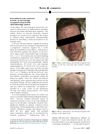
November 2018 in “JAAD case reports”
2 citations
,
November 2018 in “JAAD case reports” Drinking kava tea can cause a skin reaction with red, swollen bumps, which may improve with steroids.
24 citations
,
December 2013 in “Archives of Dermatological Research” 
Fusarium sp. strain K–23 helps Arabidopsis plants grow better in salty soil by boosting root hair growth.
January 2001 in “Acta Academiae Medicine Militaris Tertiae” K14 expression in young rats differs from adults.
121 citations
,
December 2001 in “American Journal of Dermatopathology” TB and BCC tumors show similar follicular differentiation patterns.
 4 citations
,
January 2004 in “Biological and Pharmaceutical Bulletin”
4 citations
,
January 2004 in “Biological and Pharmaceutical Bulletin” AgK114 protein helps in hamster skin injury recovery.
46 citations
,
September 2007 in “Journal of Investigative Dermatology” 3 citations
,
December 2021 in “Proteins” Wool fiber curliness is linked to the presence of certain proteins and K38.
 5 citations
,
February 2010 in “Drug development and industrial pharmacy”
5 citations
,
February 2010 in “Drug development and industrial pharmacy” Vesicles made of behenyltrimethylammonium chloride and stearic acid can triple the skin absorption of hinokitiol, which may help with hair growth.
 May 2025 in “Clinical Medicine Insights Case Reports”
 Kindler Syndrome shows diverse symptoms and needs better diagnostic tools and care in resource-limited areas.
 3 citations
,
January 2015 in “Sen i Gakkaishi”
3 citations
,
January 2015 in “Sen i Gakkaishi” The new keratin film without KAPs stains better and could help study keratin functions.
6 citations
,
April 2005 in “Journal of dermatological science” The study found nine new hair protein genes in human hair follicles.
 April 2023 in “Journal of Investigative Dermatology”
 Blocking casein kinase 1 in skin cells can help melanocyte precursors move better, potentially helping with conditions like vitiligo or gray hair.
80 citations
,
June 2002 in “Molecular Biology of the Cell” Type II keratins are uniquely phosphorylated during stress and mitosis, affecting their structure and function.
47 citations
,
June 1994 in “Experimental Cell Research” mHa2 and mHa3 keratins have different structures and roles in mouse hair and tongue tissues.
March 1985 in “Journal of the American Academy of Dermatology” Minoxidil helps hair regrowth by affecting hair follicles and blood vessels.
15 citations
,
June 2020 in “The journal of investigative dermatology/Journal of investigative dermatology” Mice with extra human KLK14 had hair and skin problems, including weaker cell bonds and inflammation, linked to Netherton syndrome.
22 citations
,
August 1999 in “Mechanisms of Development” Pmg-1 and Pmg-2 are new genes important for skin and mammary gland development.
16 citations
,
January 2018 in “Advances in experimental medicine and biology” Hair and wool have diverse keratins and keratin-associated proteins.