 76 citations
,
May 2011 in “Cell death and differentiation”
76 citations
,
May 2011 in “Cell death and differentiation” A20 protein is crucial for normal skin and hair development.
13 citations
,
January 2018 in “Advances in experimental medicine and biology”  March 1996 in “Hair transplant forum international”
 The document cannot be understood or processed.
 April 2023 in “The journal of investigative dermatology/Journal of investigative dermatology”
 A PTH-based treatment improved hair regrowth better than ruxolitinib in a mouse model of hair loss.
 60 citations
,
March 2011 in “Proceedings of the National Academy of Sciences of the United States of America”
60 citations
,
March 2011 in “Proceedings of the National Academy of Sciences of the United States of America” RANK-RANKL signaling is essential for hair growth and skin health.
Nod factor can trigger changes in legume root hairs with just one molecule.
54 citations
,
February 1994 in “Journal of Investigative Dermatology”  44 citations
,
March 1991 in “International Journal of Dermatology”
44 citations
,
March 1991 in “International Journal of Dermatology” Prompt treatment of inflammatory tinea capitis (kerion) is crucial to prevent scarring and hair loss.
4 citations
,
October 2024 in “Journal of Cosmetic Dermatology” Taking natural keratin supplements improved skin, hair, and nails in women.
July 2024 in “Journal of Investigative Dermatology” JW0061 may be a new treatment for hair loss by promoting hair growth through WNT signaling.
2 citations
,
January 2010 Tianzhu white yak hair varies in structure and density between fuzz and coarse hair.
 7 citations
,
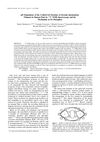
February 1998 in “Polymer journal”
7 citations
,
February 1998 in “Polymer journal” Keratin structure in hair is stable at pH 5-6 but disrupts between pH 6-7.
January 2016 in “Huanjing yu Jiankang Zazhi”  May 2026 in “Theranostics”
 Targeting DKK3–CKAP4 can help reverse hair loss in androgenetic alopecia.
March 2026 in “Journal of Cosmetic Dermatology” Keratinocyte Growth Factor-Hair Serum may help prevent hair loss during chemotherapy, but more research is needed.
 4 citations
,
January 2001 in “Archives of Biochemistry and Biophysics”
4 citations
,
January 2001 in “Archives of Biochemistry and Biophysics” Activated ras can protect kidney cells from a certain substance that causes cell death.
January 1975 in “NJEA Review” The drug showed promise in treating renal cell carcinoma with manageable side effects.
92 citations
,
April 1999 in “The journal of investigative dermatology/Journal of investigative dermatology” Nonpalmoplantar skin cells can be made to express keratin 9 by interacting with palmoplantar fibroblasts.
8 citations
,
December 2003 in “Experimental Dermatology” Altering the keratin 17 gene in mice hair follicles caused temporary hair issues, but changes were minimal and short-lived.
 1 citations
,
March 2023 in “Science Translational Medicine”
1 citations
,
March 2023 in “Science Translational Medicine” Blocking a certain signal in the gp130 receptor can improve tissue healing and lessen osteoarthritis symptoms.
104 citations
,
July 1994 in “The Journal of Cell Biology” Basonuclin helps keratinocytes multiply and prevents them from fully maturing.
September 2024 in “Journal of the American Academy of Dermatology” 2 citations
,
September 1996 in “Journal of Applied Polymer Science” Potassium cyanide changes hair's disulfide bonds to monosulfide, affecting high-sulfur proteins more.
 1 citations
,
September 2016 in “Journal of Dermatological Science”
1 citations
,
September 2016 in “Journal of Dermatological Science” FGF18 treatment during hair's resting phase can protect against hair loss from radiation.
90 citations
,
February 2001 in “The journal of investigative dermatology/Journal of investigative dermatology” Interleukin-1 increases keratin K6 production in skin cells.

The GG genotype of the KRT71 gene leads to longer wool in Gansu alpine fine-wool sheep.
 3 citations
,
November 2017 in “International Journal of Pharmacy and Pharmaceutical Sciences” 86 citations
,
May 2002 in “Journal of Investigative Dermatology”
3 citations
,
November 2017 in “International Journal of Pharmacy and Pharmaceutical Sciences” 86 citations
,
May 2002 in “Journal of Investigative Dermatology” A new keratin, hK6irs1, is found in all layers of the hair follicle's inner root sheath.
3 citations
,
January 2013 in “Journal of cosmetics, dermatological sciences and applications” HAIRCARECUBE TM (HCC) helps hair products work better by getting active ingredients deeper into the hair.
449 citations
,
December 2005 in “The Plant Cell” BIK1 gene helps plants resist some pathogens but makes them more vulnerable to others.