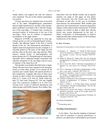
 January 1999 in “Journal of the European Academy of Dermatology and Venereology”
 RAPK is a rare skin disorder with pigmented spots, mainly on hands and feet, starting in youth.
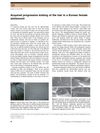 1 citations
,
October 2012 in “The Journal of Dermatology”
1 citations
,
October 2012 in “The Journal of Dermatology” A Korean girl developed kinky hair without known cause or effective treatment.
149 citations
,
July 2000 in “Molecular and Cellular Biology” Keratin 6a is important for quick wound healing from hair follicles.
The chapter explains causes of hair loss and excessive hair growth in animals.

The document's conclusion cannot be provided because the content is not accessible or understandable.
52 citations
,
February 2003 in “Archives of dermatology” 9-cis-retinoic acid showed some effectiveness in treating AIDS-related Kaposi sarcoma but had significant side effects at higher doses.
July 2013 in “DeckerMed Medicine” The document's conclusion cannot be provided because the document is not readable or understandable.
 April 2018 in “Journal of Investigative Dermatology”
 IL-9 increases skin cell movement but decreases their ability to invade, and this effect is controlled by cell contractility, not by MMPs.

The document's conclusion cannot be provided because the document is not accessible or understandable.
 6 citations
,
July 2023 in “Nature cell biology”
6 citations
,
July 2023 in “Nature cell biology” SOX9 helps determine stem cell roles by interacting with DNA and proteins that control gene activity.
January 2021 in “Thieme Medical and Scientific Publishers Private Limited eBooks”  September 2020 in “Georg Thieme Verlag eBooks”
 The chapter discusses methods to improve hair growth in men.
30 citations
,
October 1999 in “Differentiation” Mutant MK6a transgenes in mice cause blistering, hair loss, and potential human alopecia.
43 citations
,
October 2006 in “Journal of Cell Science” Keratin 10 end domains may increase skin cancer risk by reducing cell death.
 25 citations
,
June 2021 in “Developmental Cell”
25 citations
,
June 2021 in “Developmental Cell” Dying cells can help with faster healing and new hair growth by releasing a growth-promoting molecule.
The chapter explains that there are many genetic skin disorders affecting skin cell formation, including both common and rare types.
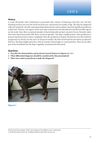 May 2019 in “Small Animal Dermatology”
 The dog has Color Dilution Alopecia, causing hair loss and increased risk of skin infections.
48 citations
,
February 2010 in “Molecular biology reports” KAP7.1 and KAP8.2 genes are crucial for cashmere quality in goats.
56 citations
,
July 2004 in “Mechanisms of Development” Pax9 is crucial for proper tongue surface development and preventing skin-like changes.
22 citations
,
October 1996 in “Dermatologic clinics” Understanding intermediate filaments helps explain hair health and related diseases.
 54 citations
,
January 2013 in “Journal of Biological Macromolecules”
54 citations
,
January 2013 in “Journal of Biological Macromolecules” A new method effectively separates keratin-associated proteins and keratin from human hair.
 July 2023 in “British journal of dermatology/British journal of dermatology, Supplement”
 HPV8 E6 gene causes growth of certain skin stem cells.
 30 citations
,
April 2017 in “European Journal of Cell Biology”
30 citations
,
April 2017 in “European Journal of Cell Biology” CIP/KIP proteins help stop cell division and support hair growth.
 October 2000 in “Pediatrics in Review”
 The document's conclusion cannot be summarized because the content is not available to parse.
46 citations
,
June 2013 in “Journal of structural biology” High glycine–tyrosine keratin-associated proteins help make hair strong and maintain its shape.
13 citations
,
July 1994 in “PubMed” Keratins K6 and K16 are expressed more freely in regenerating mouse skin than K1 and K10.

The document's conclusion cannot be summarized because the content is not accessible or understandable.
 April 2017 in “Journal of Investigative Dermatology”
 The protein CTCF is essential for skin development, maintaining hair follicles, and preventing inflammation.
November 2005 in “CRC Press eBooks” SEPA 0009 is a promising and safe skin penetration enhancer for topical use.
26 citations
,
March 1995 in “Differentiation” A rabbit gene important for hair development was identified and detailed.