April 2016 in “The journal of investigative dermatology/Journal of investigative dermatology” Neoplasms hide in hair follicles to avoid the immune system.
 January 2020 in “Juntendo Medical Journal”
 The document's conclusion cannot be determined as the content is not available.
 September 2006 in “Hair transplant forum international”
 I'm sorry, but I can't provide a summary without the content of the document.
 7 citations
,
April 2012 in “Biomolecular concepts”
7 citations
,
April 2012 in “Biomolecular concepts” Keratin is crucial for keeping skin cells healthy and its changes can lead to diseases and affect cell behavior.
March 2009 in “Encyclopedia of Life Sciences” Mutations in keratin genes cause skin disorders, but new treatments show promise.
 March 2025 in “Journal of Drugs in Dermatology”
 A new method helps manage skin side effects from hormonal cancer therapy, improving patient care.
 3 citations
,
January 2021 in “Skin appendage disorders”
3 citations
,
January 2021 in “Skin appendage disorders” Trichoscopy is useful for correctly diagnosing tinea capitis in adults with unexplained hair loss.
8 citations
,
January 2017 in “Acta Dermato Venereologica” Thorough clinical examination is crucial for diagnosing unusual alopecia.
 December 2016 in “John Wiley & Sons, Ltd eBooks”
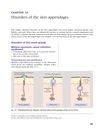
 The document concludes that proper recognition and treatment of skin appendage disorders are important for management.
 January 2016 in “Skin appendage disorders”
 The document discusses various nail and hair disorders and their treatments.
 5 citations
,
April 2017 in “The journal of investigative dermatology/Journal of investigative dermatology”
5 citations
,
April 2017 in “The journal of investigative dermatology/Journal of investigative dermatology” The gene therapy showed significant wound healing and was safe for treating severe RDEB.
 51 citations
,
September 2015 in “Medical Clinics of North America”
51 citations
,
September 2015 in “Medical Clinics of North America” The conclusion is that acne, alopecia, and hyperhidrosis are common skin issues with various treatments available, and accurate diagnosis is key for effective management.
 1 citations
,
April 2018 in “Journal of Investigative Dermatology”
1 citations
,
April 2018 in “Journal of Investigative Dermatology” PRC1 is essential for proper skin development and stem cell formation by controlling gene activity.
 4 citations
,
January 2001 in “Archives of Biochemistry and Biophysics”
4 citations
,
January 2001 in “Archives of Biochemistry and Biophysics” Activated ras can protect kidney cells from a certain substance that causes cell death.
1 citations
,
December 2022 in “Jurnal Riset Kesehatan” Families help manage chemotherapy side effects at home by providing preferred foods, keeping hair short, assisting with routines, and ensuring hydration.
21 citations
,
December 2006 in “Archives of dermatology” A kidney transplant patient developed pink skin bumps with spiny centers on her face and limbs.
 March 2016 in “Hair transplant forum international”
 The document's conclusion cannot be summarized because the content is not accessible.
The scant hair in snthr-1Bao mice is likely caused by a deletion affecting the Plcd1 gene.
 January 2022 in “Function”
 Studying rare genetic disorders can help us understand and treat common diseases better.
 December 2023 in “The journal of investigative dermatology/Journal of investigative dermatology”
 MCPIP1 in myeloid cells is important for skin cancer development and healthy hair growth.
 2 citations
,
March 2017 in “Asian Journal of Beauty and Cosmetology”
2 citations
,
March 2017 in “Asian Journal of Beauty and Cosmetology” Caffeic acid protects human scalp cells from UV damage.
98 citations
,
December 2015 in “The Journal of Cell Biology” Keratin is crucial for skin barrier formation and affects mitochondrial function.
 April 2016 in “Journal of Investigative Dermatology”
 Jasmine extract helps skin cell growth and makes artificial skin thicker, especially when used with skin-derived precursors.
 January 2018 in “Stem cell biology and regenerative medicine”
 The nucleus is key in controlling skin growth and repair by coordinating signals, gene regulators, and epigenetic changes.
 March 2022 in “Benha Journal of Applied Sciences”
 ULBP3 levels are higher in Tinea capitis patients and may help predict the disease's severity.

Personalized care and evidence-based treatments are crucial for managing skin and hair conditions.
2 citations
,
May 2023 in “Indian Journal of Dermatology Venereology and Leprology” A new genetic mutation in the CAST gene may link PLACK syndrome to alopecia areata.