 2 citations
,
January 2017 in “Folia biologica”
2 citations
,
January 2017 in “Folia biologica” The KRTAP7-1 gene is very similar across different cattle and yak breeds and likely plays a role in hair strength and shape.
April 1977 in “Pediatric Research” 3 citations
,
September 2013 in “Bioscience Biotechnology and Biochemistry” Type II porcine hair keratin supports cell growth but hinders cell differentiation.
6 citations
,
March 1996 in “Journal of Investigative Dermatology”  April 2023 in “The journal of investigative dermatology/Journal of investigative dermatology”
 p120-catenin helps control skin inflammation by regulating cadherin levels.
15 citations
,
June 2011 in “Journal of Investigative Dermatology” Overexpressing 14-3-3σ in mice skin reduces cell growth and hair density.
Epimorphin helps shape and develop epithelial cells, like those in hair follicles.
13 citations
,
May 2001 in “Current problems in dermatology” Keratin proteins in epithelial cells are dynamic and crucial for cell processes and disease understanding.
 December 2022 in “Research Square (Research Square)”
 The QuantAnts machines can find cancer markers and create CRISPR targets for them.
 28 citations
,
December 2018 in “Plant, cell & environment/Plant, cell and environment”
28 citations
,
December 2018 in “Plant, cell & environment/Plant, cell and environment” A protein called PLC2 is important for the growth and development of plant roots influenced by auxin.
33 citations
,
February 2012 in “British Journal of Dermatology” Mutations in the p63 gene affect skin adhesion, barrier integrity, and hair growth.
 102 citations
,
August 2008 in “Genes & Development”
102 citations
,
August 2008 in “Genes & Development” Laminin-511 is crucial for early hair growth and maintaining important hair development signals.
118 citations
,
January 1992 in “Experientia” 20 citations
,
August 1997 in “PubMed” Increased K+ permeability alone may not promote hair growth.
 28 citations
,
February 1999 in “Journal of Investigative Dermatology”
28 citations
,
February 1999 in “Journal of Investigative Dermatology” Urokinase, a type of protein, helps skin cells multiply faster, especially in newborn mice.
 1 citations
,
May 2023 in “Biochemical and Biophysical Research Communications”
1 citations
,
May 2023 in “Biochemical and Biophysical Research Communications” Blocking DKK1 with siRNA can improve hair growth.
 April 2017 in “Journal of Investigative Dermatology”
 Deleting the CRIF1 gene in mice disrupts skin and hair formation, certain proteins affect hair growth, a new compound may improve skin and hair health, blood cell-derived stem cells can create skin-like structures, and hair follicle stem cells come from embryonic cells needing specific signals for development.
8 citations
,
June 2004 in “Journal of Investigative Dermatology” Certain peptides can prevent hair loss in young rats caused by a cancer drug.
 April 2018 in “Journal of Investigative Dermatology”
 CENPV, a new partner of CYLD, helps regulate ciliary acetylated tubulin and is overexpressed in certain skin tumors.
 April 2021 in “The journal of investigative dermatology/Journal of investigative dermatology”
 6.1% of patients seeking PRP for hair loss had undiagnosed cicatricial alopecia, which PRP cannot treat.
28 citations
,
February 2007 in “Cancer Research” Blocking certain proteins in mouse skin can reduce and shrink skin tumors.
 10 citations
,
July 2022 in “Journal of Medicinal Chemistry”
10 citations
,
July 2022 in “Journal of Medicinal Chemistry” Adding a second method to PROTACs could improve cancer treatment.
 5 citations
,
August 2019 in “iScience”
5 citations
,
August 2019 in “iScience” Deleting the Trf1 protein in mice is safe and may help prevent cancer without major side effects.
1 citations
,
September 2010 in “UEF eRepo (University of Eastern Finland)” Androgen receptors help prostate cancer cells grow and resist drugs.
 7 citations
,
December 2008 in “Journal of Dermatological Science”
7 citations
,
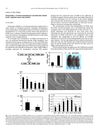
December 2008 in “Journal of Dermatological Science” Progranulin overexpression leads to shorter, thinner hair and increased cell death in mouse hair follicles.
 5 citations
,
December 2018 in “Biological & Pharmaceutical Bulletin”
5 citations
,
December 2018 in “Biological & Pharmaceutical Bulletin” Norgalanthamine helps hair cells grow by activating certain pathways related to hair growth.
79 citations
,
January 2002 in “Nucleic Acids Research” BMP-2 activates the Dlx3 gene in mouse skin cells, important for hair and skin development.
45 citations
,
March 1997 in “Journal of Investigative Dermatology”  124 citations
,
December 2016 in “Pharmaceuticals”
124 citations
,
December 2016 in “Pharmaceuticals” TRP channels in the skin are important for sensation and health, and targeting them could help treat skin disorders.
9 citations
,
January 1997 in “Horticultura: Revista de industria, distribución y socioeconomía hortícola: frutas, hortalizas, flores, plantas, árboles ornamentales y viveros” PRC2 is not essential for hair follicle stem cell maintenance or hair growth.