1 citations
,
April 2012 in “Cancer Research” Antizyme reduces tumor growth and normalizes skin cell development affected by MEK.
 May 2025 in “Journal of Developmental Biology”
 Jawless vertebrates have teeth proteins similar to those in mammalian hair and nails.
43 citations
,
October 2006 in “Journal of Cell Science” Keratin 10 end domains may increase skin cancer risk by reducing cell death.
 118 citations
,
August 2010 in “Developmental Cell”
118 citations
,
August 2010 in “Developmental Cell” MIM is crucial for hair follicle formation and regeneration by controlling cilia formation and hedgehog signaling through its interaction with Cortactin and Src.
253 citations
,
April 2009 in “Journal of Biological Chemistry” p2y5, now called LPA6, is a receptor important for human hair growth.
24 citations
,
January 2018 in “Development” Frizzled 3 and Frizzled 6 together control the orientation of mouse hair follicles.
 July 2012 in “European journal of cancer”
 MPA increases cancer spread by boosting Eph A2 activity.
 April 2023 in “The journal of investigative dermatology/Journal of investigative dermatology”
 Deleting the Hoxc13 gene in frogs shows its crucial role in developing skin structures similar to hair.
 February 2024 in “Frontiers in plant science”
 Peps help Arabidopsis plants grow more root hairs by affecting specific genes and calcium signaling.
 2 citations
,
August 2023 in “Development”
2 citations
,
August 2023 in “Development” Hair follicles in the back of the rosette fancy mouse have reversed orientations due to a gene mutation.
January 2013 in “Shiyong yixue zazhi” Astraglus polysaccharide may help hair growth by boosting follicle stem cell activity.
 1 citations
,
November 1987 in “Journal of The American Academy of Dermatology”
1 citations
,
November 1987 in “Journal of The American Academy of Dermatology” Isotretinoin can raise CPK levels, so patients need monitoring, especially before surgery.
 35 citations
,
September 2012 in “PloS one”
35 citations
,
September 2012 in “PloS one” Two distinct pathways direct proteins to vacuoles in Arabidopsis, affecting root hair growth and protein targeting.
Fragrant pandan leaf extract can inhibit dandruff-causing fungus, especially at higher concentrations.
 1 citations
,
October 2023 in “Clinical, cosmetic and investigational dermatology”
1 citations
,
October 2023 in “Clinical, cosmetic and investigational dermatology” Tofacitinib improved hair loss and skin symptoms in a patient after secukinumab caused hair loss.
15 citations
,
September 2018 in “Frontiers in Plant Science” BcFLA1 protein is crucial for root hair growth in response to low phosphate in Brassica carinata.
17 citations
,
April 1997 in “American Journal of Dermatopathology” PC-associated alopecia has unique microscopic features.
A molecule called α-ketobutyrate was found to extend lifespan and improve aging-related symptoms in worms and mice by activating certain cellular pathways and may help develop anti-aging treatments for humans.
 38 citations
,
September 2006 in “Journal of Dermatological Science”
38 citations
,
September 2006 in “Journal of Dermatological Science” Ketoconazole lotion can improve hair regrowth for some people with androgenetic alopecia.
387 citations
,
November 2003 in “Journal of Investigative Dermatology” The K15 promoter effectively targets stem cells in the hair follicle bulge.
8 citations
,
August 2014 in “Biochemical and Biophysical Research Communications” ODC overexpression in hair cells increases tumor growth by reducing Notch signaling.
 November 2022 in “Journal of Investigative Dermatology”
 KX-826 is safe and effectively increases hair count in men with hair loss.
November 2024 in “Journal of Investigative Dermatology” Blocking the JAK/STAT pathway may help reduce skin sensitivity in Xeroderma pigmentosum.
 17 citations
,
September 2010 in “Pediatric dermatology”
17 citations
,
September 2010 in “Pediatric dermatology” A 15-year-old with KID syndrome developed a rare skin condition called PEHFN.
 6 citations
,
September 2023 in “Experimental physiology”
6 citations
,
September 2023 in “Experimental physiology” A special receptor in sensory nerve endings helps control how they respond to stretching.
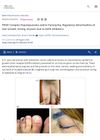 August 2025 in “JEADV Clinical Practice”
 PRIDE complex side effects from EGFR inhibitors can be managed without stopping treatment.
117 citations
,
August 1999 in “Nature Genetics” 20 citations
,
April 2009 in “Cell Biology International” Hair follicle stem cells can become corneal-like cells with the help of pax6.
Loss of the p53 gene alone causes tumors, and losing both p53 and Rb genes speeds up aggressive skin cancer.
 January 2024 in “OPAL (Open@LaTrobe) (La Trobe University)”
 TRPV3 channels are involved in skin processes and are affected by shear stress, influencing itch and mechanotransduction.