Search
for
Sort by
Research
30 / 1000+ resultsresearch KCNQ Potassium Channels Modulate Sensitivity of Skin Down-hair (D-hair) Mechanoreceptors
KCNQ potassium channels help control the sensitivity of touch receptors in the skin.
research Genetic basis of polycystic ovary syndrome
The document concludes that PCOS has a strong genetic component, but more research is needed to fully understand the specific genes involved.
research Auditory Threshold Variability in the SAMP8 Mouse Model of Age-Related Hearing Loss: Functional Loss and Phenotypic Change Precede Outer Hair Cell Loss
Hearing decline in SAMP8 mice starts before outer hair cell loss and may be linked to other changes.
research Crosslinking structure of keratin. V. Number and type of crosslinks in microstructures of untreated and potassium cyanide treated human hair
Potassium cyanide treatment changes hair's disulfide bonds, making it more elastic.
research Pharmacological evidence for the involvement of adenosine triphosphate sensitive potassium channels in chloroquine-induced itch in mice
ATP-sensitive potassium channels play a role in chloroquine-induced itch in mice.
research Fibroblast bioelectric signaling drives hair growth
Fibroblast bioelectric signaling can promote hair growth and may help treat hair loss.

research Special collection on inward rectifying K+ channels
Inward rectifier potassium channels are important in many body functions and diseases, and could be potential drug targets.
research Crosslinking structure of keratin. V. Number and type of crosslinks in microstructures of untreated and potassium cyanide treated human hair
Potassium cyanide changes hair's disulfide bonds to monosulfide, affecting high-sulfur proteins more.
research Genetics of Polycystic Ovary Syndrome
PCOS has a strong genetic basis, but more research is needed to fully understand it.

research The Possible Involvement of KATP Channels in Cholestatic Pruritus in Mice
KATP channels may help reduce itching in liver disease.

research Analysis of the finasteride treatment and its withdrawal in the rat hypothalamus and hippocampus at whole-transcriptome level
Finasteride treatment in rats changed the expression of genes related to psychiatric and neurological functions, and these changes persisted after stopping the drug.
research Bridging Personal and Population in Excitability Diseases: Will Studies of Rare Diseases Bring Generalizable Mechanisms From Monogenic Channelopathies?
Studying rare genetic disorders can help us understand and treat common diseases better.
research Effects of steroid hormones on the expression of Ca2+ activated K+ channels in in vitro pituitary cells of Atlantic cod (Gadus morhua)
Steroid hormones may affect sexual maturation in cod by altering certain KCa channel expressions.
research Author response: The signaling lipid sphingosine 1-phosphate regulates mechanical pain
Sphingosine 1-phosphate and its receptor S1PR3 are key in controlling mechanical pain.
research Predictive Metagenomic Profiling, Urine Metabolomics, and Human Marker Gene Expression as an Integrated Approach to Study Alopecia Areata
Alopecia areata may be linked to scalp microbiome differences, suggesting potential treatments with prebiotics, probiotics, and postbiotics.
research Exome analysis for Cronkhite-Canada syndrome: A case report
Albumin and prednisone improved symptoms in a woman with Cronkhite-Canada syndrome, revealing potential genetic causes.
research Genome-Wide Associations with Body and Fleece Weight in United States Sheep
Certain genetic markers can help predict wool production in U.S. sheep.
research Decision letter: The signaling lipid sphingosine 1-phosphate regulates mechanical pain
Sphingosine 1-phosphate helps control mechanical pain.
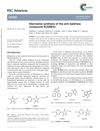
research Alternative synthesis of the anti-baldness compound RU58841
A new, less toxic and more efficient method to create the anti-baldness compound RU58841 was developed in 2014.

research Rapid Characterization of the Functional and Pharmacological Consequences of Cantú Syndrome KATPChannel Mutations in Intact Cells
Kir6.1 mutations in Cantú syndrome increase channel sensitivity and hyperpolarization, while SUR2B mutations do not.

research K ATP Channels and Cardiovascular Disease
K_ATP channel gene mutations are linked to heart diseases, but more research is needed to understand the connection and treatment potential.
research Cantú syndrome with coexisting familial pituitary adenoma
Cantú syndrome may be linked to pituitary adenomas.

research Exploring the neural mechanisms of finasteride: a proteomic analysis in the nucleus accumbens
Finasteride affects brain processes related to neurotransmission and metabolism, potentially helping with neuropsychiatric conditions.
research A Case of Hemi‐Isaac's Syndrome
A man with Isaac's syndrome affecting only one side of his body improved after immune system-targeted treatment.
research Adrenal causes of endocrine hypertension in childhood or adolescence
Adrenal disorders often cause high blood pressure in young people.
research Polycystic ovary syndrome
Polycystic Ovary Syndrome (PCOS) is a common condition in women that can cause metabolic, reproductive, and psychological issues, and requires lifestyle changes and medication for management.
research Erasing the methyl mark: histone demethylases at the center of cellular differentiation and disease
Histone demethylases can change gene expression and may be linked to diseases like cancer.

research The Rotterdam Study: 2018 update on objectives, design and main results
The Rotterdam Study updated findings on elderly health, focusing on heart disease, genetics, lifestyle effects, and disease understanding.

research The Rotterdam Study: 2014 objectives and design update
The Rotterdam Study aims to understand disease causes in the elderly and has found new risk factors and genetic influences on various conditions.