The C-CAT tool helps assess and improve treatment for central centrifugal cicatricial alopecia.
 12 citations
,
April 2016 in “PLoS ONE”
12 citations
,
April 2016 in “PLoS ONE” The Chi-PCOSQ is effective for assessing health-related quality of life in Chinese women with PCOS.
 April 2017 in “Journal of Investigative Dermatology”
 Certain mutations in the KLHL24 gene cause a skin disorder by breaking down an important skin protein.
 1 citations
,
April 2022 in “The Journal of Family Practice”
1 citations
,
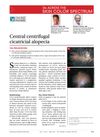
April 2022 in “The Journal of Family Practice” CCCA causes progressive hair loss in Black women, starting from a central scalp patch.
 81 citations
,
February 2019 in “Experimental & Molecular Medicine”
81 citations
,
February 2019 in “Experimental & Molecular Medicine” PAK4 is crucial in cancer progression, brain development, and could be a therapeutic target, especially through the PAK4-CREB axis.
 December 2015 in “University of Birmingham Institutional Research Archive (University of Birmingham)”
 AKR1C3 could be a treatment target for metabolic issues in PCOS.
April 2010 in “Cancer Research” Basal cell carcinomas may use IDO to protect themselves from the immune system.
 March 2026 in “Zenodo (CERN European Organization for Nuclear Research)”
 Early diagnosis and lifestyle changes are crucial for managing PCOD.
 April 2017 in “Journal of Investigative Dermatology”
 The protein CTCF is essential for skin development, maintaining hair follicles, and preventing inflammation.
July 2025 in “Journal of Investigative Dermatology” TRIV-509 quickly improves skin barrier and cell health in atopic dermatitis.
265 citations
,
March 1993 in “The EMBO Journal” Keratinocyte growth factor significantly alters skin and tissue development.
June 2024 in “Journal of the European Academy of Dermatology and Venereology” Allergens might contribute to CCCA, so avoiding them could help manage the condition.
33 citations
,
August 2000 in “Experimental Cell Research”  12 citations
,
May 2014 in “International Journal of Molecular Medicine”
12 citations
,
May 2014 in “International Journal of Molecular Medicine” Chrysanthemum zawadskii extract helps hair grow by stimulating hair cells.
 July 2022 in “The journal of investigative dermatology/Journal of investigative dermatology”
 Krox20 is important for maintaining stem cells in the skin and affects hair growth and color.
April 2021 in “Journal of Investigative Dermatology” 3 citations
,
April 2018 in “Journal of Investigative Dermatology” CCCA may be a fibroproliferative disorder, and anti-fibrotic therapies could help.
3 citations
,
September 2023 in “Genes” Dkk genes evolved faster in birds and reptiles, affecting hair development functions.
25 citations
,
April 2008 in “Clinical and experimental dermatology” EFFC might be common but underreported.
January 1964 in “OSTI OAI (U.S. Department of Energy Office of Scientific and Technical Information)” CXCL7 is essential for muscle repair by aiding early neutrophil infiltration.
Kerion is a rare but serious scalp infection that needs proper treatment.
10 citations
,
January 2004 in “Journal of Investigative Dermatology” Krt6a-Cre transgenic mice help study gene effects on hair follicle development and tumor suppression.
 February 2020 in “International Journal of Current Microbiology and Applied Sciences”
 Canine hair follicle cells show stem cell properties, aiding hair growth.
34 citations
,
September 2010 in “Clinical and Experimental Dermatology” A new gene mutation linked to KID syndrome was found, expanding genetic knowledge.
53 citations
,
October 2003 in “Genetics” The mK6irs1/Krt2-6g gene likely causes wavy hair in mice.
 January 2025 in “Journal of Fungi”
 Advanced dermoscopy techniques improve diagnosis and treatment monitoring for Kerion celsi but don't guarantee full hair regrowth.
January 2016 in “Huanjing yu Jiankang Zazhi” A lotion with tretinoin, minoxidil, and betamethasone valerate helped treat a woman's skin infection.
 1 citations
,
January 2023 in “The FASEB Journal”
1 citations
,
January 2023 in “The FASEB Journal” CircAGK affects cell death in hair cells by controlling the miR-3180-5p/BAX pathway, which can lead to hair loss.
29 citations
,
June 2010 in “The Journal of Dermatology” Infants with severe KID syndrome may be more prone to serious infections and need close monitoring.