9 citations
,
January 1990 in “Skin Pharmacology and Physiology” The method and source of keratinocytes affect the structure of reconstructed skin.
2 citations
,
January 1989 Researchers developed a method to grow skin-like tissue from hair cells.
 1 citations
,
January 2023 in “Frontiers in veterinary science”
1 citations
,
January 2023 in “Frontiers in veterinary science” Activating autophagy in dogs with certain diseases improves their skin and hair.
 December 2023 in “Journal of Cosmetic Dermatology”
 The hair growth product was effective and safe, increasing hair growth, thickness, and density while reducing hair fall.
 May 2009 in “Medical and surgical dermatology/Medical & surgical dermatology”
 Hair and nail conditions can stabilize or improve over time, and new treatments show promise.
 January 2007 in “Sen'i Gakkaishi”
 Mf-rich hair degrades more than Ma-rich hair, especially with Proteinase K.
18 citations
,
June 2016 in “Brain Research” Increasing TSPO in the brain may help improve memory problems.

A new peptide, murikal/SPR4, was found to significantly increase hair growth in mice, and its liposomal topical formulations enhanced hair growth more than commercial products. However, results on human scalp skin were unclear, needing more tests.
 23 citations
,
July 2008 in “British journal of dermatology/British journal of dermatology, Supplement”
23 citations
,
July 2008 in “British journal of dermatology/British journal of dermatology, Supplement” Topical contact sensitizers can treat certain skin conditions but are rarely used in the U.K.
 April 2025 in “Medical Science”
 The ketogenic diet may help manage PCOS symptoms but needs more research for long-term effects.
15 citations
,
August 1991 in “Histochemistry and Cell Biology” Enhancing Factor is found in growing tissues like young mouse intestines and skin but not in adults.
 17 citations
,
January 2001 in “Clinical and Experimental Dermatology”
17 citations
,
January 2001 in “Clinical and Experimental Dermatology” Early treatment with immunoglobulin and aspirin reduces heart complications in children with Kawasaki disease.
January 2007 in “Edward Elgar eBooks” TSPO might help treat anxiety and depression.
 86 citations
,
May 2005 in “Seminars in Arthritis and Rheumatism”
86 citations
,
May 2005 in “Seminars in Arthritis and Rheumatism” Kawasaki Disease is rare and often missed in adults, who show different symptoms than children, and may benefit from early treatment.
3 citations
,
October 1994 in “Journal of Dermatological Science” The new antibody, TYHF-1, specifically targets certain hair-related structures.
 January 2023 in “Fundamental toxicological sciences”
 Mozuku seaweed fucoidan can inhibit harmful skin bacteria growth.
52 citations
,
June 1991 in “Journal of Virology” The hamster polyomavirus middle T antigen is linked to tumors in hamsters and associates with a specific tyrosine kinase.
28 citations
,
December 1997 in “Journal of Biological Chemistry” A genetic mutation in the hHa1 gene creates a smaller, but still functional, hair protein without causing hair problems.
27 citations
,
September 2013 in “The FASEB Journal” Losing Memo protein shortens lifespan and affects health.
15 citations
,
May 2017 in “Journal of Cellular Biochemistry” The hairless protein is important for skin, hair, and may influence cancer development.
 2 citations
,
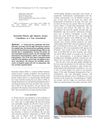
September 2011 in “Pediatric Dermatology”
2 citations
,
September 2011 in “Pediatric Dermatology” The document suggests there might be a link between Kawasaki Disease and Alopecia Areata that needs more research.
 226 citations
,
January 2002 in “Biological and Pharmaceutical Bulletin”
226 citations
,
January 2002 in “Biological and Pharmaceutical Bulletin” A new method quickly extracts and identifies proteins from hair and other keratin sources.
177 citations
,
April 2008 in “Biomedical Materials” Human hair proteins can be used to create scaffolds that support cell growth for tissue engineering.
161 citations
,
June 1993 in “Journal of Biological Chemistry” Trichohyalin helps in hair and skin cell structure and function by binding calcium and linking proteins.
57 citations
,
January 1987 in “Journal of Biological Chemistry” Different keratins have unique expression patterns in mouse skin cells.
48 citations
,
January 2002 in “Journal of Structural Biology” Trichocyte filaments have a low-density core and may include proteins for hair structure.
45 citations
,
March 2001 in “Journal of Investigative Dermatology” A new protein, mK6irs, is found in specific hair layers and may help understand hair growth and diseases.
 24 citations
,
April 2017 in “Oncology Reports”
24 citations
,
April 2017 in “Oncology Reports” The hair keratin gene KRT81 is found in both normal and breast cancer cells and helps them invade surrounding tissues.
22 citations
,
October 2018 in “Molecular Medicine Reports” Classic PDRN improves wound healing quality by enhancing cell migration.
16 citations
,
February 1978 in “Journal of steroid biochemistry/Journal of Steroid Biochemistry” Dihydrotestosterone specifically binds to hamster sebaceous glands, with a higher affinity than testosterone.