August 2024 in “Australasian Journal of Dermatology” Australia needs better dermatological guidelines for gender-diverse patients.
April 2024 in “International journal of molecular sciences” Light-based treatment, Photobiomodulation, shows promise for non-invasive skin therapy with few side effects.
 January 2024 in “Photodiagnosis and Photodynamic Therapy”
 Using minoxidil with laser therapy is more effective for female hair loss than minoxidil alone.
 November 2023 in “Australasian journal of dermatology”
 Dermatologists are essential in helping transgender and gender diverse patients with skin and hair issues related to gender affirmation and hormone therapy.
 September 2023 in “Nature Communications”
 Immune cells are essential for skin regeneration using biomaterial scaffolds.
 July 2023 in “International Journal of Molecular Sciences”
 N,N-Dimethylglycine Sodium Salt helps reduce skin inflammation and improves skin cell growth and healing.
 January 2023 in “Theranostics”
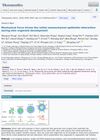
 Mechanical force is important for the first contact between skin cells and hair growth in mini-organs.
 January 2014 in “Cosmoderma”
 The document concludes that personalized treatment plans for hair loss in Asian men are necessary and more research is needed to develop effective guidelines.
February 2009 in “Journal of the American Academy of Dermatology”  May 2026 in “Journal of the Egyptian Womenʼs Dermatologic Society”
 Microneedling radiofrequency improves skin texture and tone by stimulating collagen and elastin.