517 citations
,
February 2010 in “Materials” Keratin from hair and wool is used in medical materials for healing and drug delivery.
 192 citations
,
April 2019 in “ACS nano”
192 citations
,
April 2019 in “ACS nano” A new microneedle patch made from hair proteins helps regrow hair faster and better than current treatments.
118 citations
,
January 2013 in “Biomaterials” Keratin from human hair shows promise for medical uses like wound healing and tissue engineering.
115 citations
,
August 2014 in “Jo'jig gonghag gwa jaesaeng uihag/Tissue engineering and regenerative medicine” Human hair keratin can be used in many medical applications.
106 citations
,
December 2015 in “Biomacromolecules” Keratin hydrogels can be customized for better tissue healing.
75 citations
,
September 2015 in “Acta biomaterialia” Alkylation of human hair keratin allows for adjustable drug release rates in hydrogels for medical use.
47 citations
,
September 2011 in “Acta biomaterialia” Protein composition greatly affects the function of keratin biomaterials.
 41 citations
,
July 2020 in “Colloids and surfaces. B, Biointerfaces”
41 citations
,
July 2020 in “Colloids and surfaces. B, Biointerfaces” Different hair protein amounts change the strength of keratin/chitosan gels, useful for making predictable tissue engineering materials.
 23 citations
,
January 2015 in “Stem cells international”
23 citations
,
January 2015 in “Stem cells international” Coating surfaces with human hair keratin improves the growth and consistency of important stem cells for medical use.
22 citations
,
August 2015 in “PloS one” Keratin from hair binds well to gold and BMP-2, useful for bone repair.
12 citations
,
October 2015 in “Journal of bioactive and compatible polymers” Keratin hydrogel from human hair is a promising biocompatible material for soft tissue fillers.
 10 citations
,
October 2016 in “Journal of Biomolecular NMR”
10 citations
,
October 2016 in “Journal of Biomolecular NMR” Solid-state NMR can effectively study keratin structure and treatment effects in fur.
9 citations
,
November 2024 in “Biotechnology for Sustainable Materials” Keratin-based biomaterials are promising for wound healing, drug delivery, and nerve regeneration due to their biodegradability and biocompatibility.
8 citations
,
May 2020 in “International journal of biological macromolecules” Certain treatments can increase protein binding to natural hair but are less effective on permed hair.
 6 citations
,
October 2016
6 citations
,
October 2016 Understanding how keratin structures in hair are arranged and interact is key for creating methods to extract and purify them.
1 citations
,
October 2022 in “Bioengineering” Keratin helps skin cells mature when added to a collagen mix, which could be important for skin and hair health.
 1 citations
,
January 2024 in “Scientific reports (Nature Publishing Group)”
1 citations
,
January 2024 in “Scientific reports (Nature Publishing Group)” Human hair was used to make biodegradable plastic films that could be useful for packaging and disposable products.
June 2025 in “Advances in Clinical and Experimental Medicine” Keratin biomaterials could help heal wounds and regenerate tissue, but more testing is needed.

Keratin hydrogels from human hair show promise for tissue engineering and regenerative medicine.
 December 2022 in “Deleted Journal”
 Sheep wool keratin solution safely and effectively promotes hair growth.
28 citations
,
September 1995 in “Biochemistry and Cell Biology” Merkel cells are more densely found in hairless skin areas like palms and soles.
 18 citations
,
October 2018 in “Nutrients”
18 citations
,
October 2018 in “Nutrients” Annurca apple extract promotes hair growth by changing hair follicle metabolism to boost keratin production.
 7 citations
,
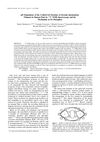
February 1998 in “Polymer journal”
7 citations
,
February 1998 in “Polymer journal” Keratin structure in hair is stable at pH 5-6 but disrupts between pH 6-7.
5 citations
,
January 2011 in “International Journal of Cosmetic Science” 1,2,3,4-tetrahydroquinoline compounds are great for stable, pure blue hair dye.
5 citations
,
February 1998 in “Polymer” Human hair keratin has a 40% α-helix structure that changes to a random coil in 8 M urea.
 3 citations
,
January 2021 in “ScienceAsia”
3 citations
,
January 2021 in “ScienceAsia” Using an enzyme and keratin treatment can significantly repair and strengthen damaged hair.
 3 citations
,
January 2015 in “Sen i Gakkaishi”
3 citations
,
January 2015 in “Sen i Gakkaishi” The new keratin film without KAPs stains better and could help study keratin functions.
686 citations
,
February 2002 in “Current Opinion in Cell Biology” Keratin filaments are crucial for cell structure and protection, with ongoing discoveries about their genes and functions.
482 citations
,
June 1979 in “Proceedings of the National Academy of Sciences” Keratins provide structural strength in epithelial cells and help identify cell origins.
441 citations
,
May 1996 in “Journal of Cell Science” Keratin 19 helps identify skin stem cells, with its presence varying by body location, age, and culture stage.