A spayed dog with vaginal bone structures causing infection was successfully treated by removing the bones and administering medication.
 August 2020 in “Pakistan Journal of Zoology”
 A new mutation in the Hairless gene causes hair loss in two Pakistani families.
 December 2018 in “International Journal of Research -GRANTHAALAYAH”
 Biomagnetic forces can deform red blood cells.
 April 2018 in “The journal of investigative dermatology/Journal of investigative dermatology”
 Electrical epilation damages hair follicles and surrounding skin, likely preventing hair regrowth.
 April 2018 in “The journal of investigative dermatology/Journal of investigative dermatology”
 Removing Lrig1-positive stem cells in mice causes temporary loss of sebaceous glands.
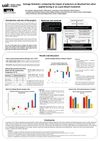 June 2017 in “University of the Arts London Research Online (University of the Arts London)”
 Polymers help reduce damage and improve bleached hair when used during or after bleaching.
 January 2017 in “Clinical approaches and procedures in cosmetic dermatology”
 Cosmetic procedures can harm hair, but damage can be minimized with knowledge and care; however, once hair is damaged, it cannot be reliably repaired.
January 2017 in “DR-NTU (Nanyang Technological University)” Keratin sponges are as biocompatible as collagen, but keratin gels are slightly less so.
January 2016 in “Frontiers in Bioengineering and Biotechnology” Keratin-based hydrogels can be improved for medical use by adding PEG, making them more soluble and adjustable.
January 2016 in “Frontiers in Bioengineering and Biotechnology” A wool hair keratin hydrogel is promising for growing cells and tissue engineering.
The research found that people's hair proteins vary, especially by ethnicity and body part, which could help identify individuals in forensic science.
The research found that people's hair proteins vary by individual and body part, with some differences between ethnic groups, which could help in forensics.
 January 2014 in “Sen'i Gakkaishi”
 Researchers developed a method to identify animal fibers in textiles, which works on processed and blended materials.
April 2009 in “The FASEB Journal” Keratin biomaterials from human hair help nerve regeneration by activating Schwann cells.
 January 2007 in “Sen'i Gakkaishi”
 Mf-rich hair degrades more than Ma-rich hair, especially with Proteinase K.
Keratin-gelatin film improves wound healing in pets better than bFGF-gelatin.
January 1990 in “The Nishinihon Journal of Dermatology” Follicular structures help differentiate keratoacanthoma from squamous cell carcinoma.
 January 1963 in “Stain technology”
 Ziehl-Neelsen's stain helps identify different parts of hair in sheep and goats.
 December 2023 in “Royal Society of Chemistry eBooks”
 Nails are a useful alternative to hair for analyzing long-term substance exposure.
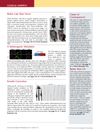 January 2016 in “Experimental Dermatology”
 New findings suggest potential treatments for melanoma, hyperpigmentation, hair defects, and multiple sclerosis, and show skin microbiome changes don't cause atopic dermatitis.
7 citations
,
January 1988  3 citations
,
April 1990 in “Archives of dermatology”
3 citations
,
April 1990 in “Archives of dermatology” The book reveals diverse patterns of hair growth in different species and advancements in hair and alopecia research.
 April 2017 in “Journal of Investigative Dermatology”
 Certain microRNAs may protect against hair loss in alopecia areata and could be potential treatment targets.
80 citations
,
June 2002 in “Molecular Biology of the Cell” Type II keratins are uniquely phosphorylated during stress and mitosis, affecting their structure and function.
43 citations
,
October 2006 in “Journal of Cell Science” Keratin 10 end domains may increase skin cancer risk by reducing cell death.
53 citations
,
June 2005 in “The journal of investigative dermatology/Journal of investigative dermatology” KAP genes show significant genetic variability, but its impact on hair traits is unclear.
 4 citations
,
January 2021 in “Skin appendage disorders”
4 citations
,
January 2021 in “Skin appendage disorders” Hair straightening can damage hair and pose health risks, including exposure to carcinogens and hair loss.
 3 citations
,
March 2024 in “Discover Applied Sciences”
3 citations
,
March 2024 in “Discover Applied Sciences” Spirulina proteins can improve hair smoothness and strength in hair care products.
 555 citations
,
July 2001 in “Genes & Development”
555 citations
,
July 2001 in “Genes & Development” Tcf3 and Lef1 are key in deciding skin stem cell roles.
387 citations
,
November 2003 in “Journal of Investigative Dermatology” The K15 promoter effectively targets stem cells in the hair follicle bulge.