 6 citations
,
January 1985 in “ACTA HISTOCHEMICA ET CYTOCHEMICA”
6 citations
,
January 1985 in “ACTA HISTOCHEMICA ET CYTOCHEMICA” Tumor cells in calcifying epithelioma of Malherbe resemble hair follicle cells.
 47 citations
,
January 2017 in “RSC Advances”
47 citations
,
January 2017 in “RSC Advances” Keratin peptides can change hair shape gently without harsh chemicals.
 13 citations
,
December 2019 in “Nutrients”
13 citations
,
December 2019 in “Nutrients” An apple-based supplement was found to stimulate hair protein production, which may help with hair growth.

Human hair keratins can be turned into useful 3D biomedical scaffolds through a freeze-thaw process.
 21 citations
,
January 2018 in “PLoS Genetics”
21 citations
,
January 2018 in “PLoS Genetics” Certain genetic variants in keratins increase the risk of tooth decay.
 32 citations
,
February 1998 in “The journal of investigative dermatology/Journal of investigative dermatology”
32 citations
,
February 1998 in “The journal of investigative dermatology/Journal of investigative dermatology” Two specific hair keratin genes are active during hair growth and decline as hair transitions to rest.
 49 citations
,
August 2004 in “The FASEB Journal”
49 citations
,
August 2004 in “The FASEB Journal” Mice with human skin protein K8 had more skin problems and cancer.
86 citations
,
May 2002 in “Journal of Investigative Dermatology” A new keratin, hK6irs1, is found in all layers of the hair follicle's inner root sheath.
33 citations
,
August 2008 in “American Journal Of Pathology” Hedgehog signaling is essential for normal sebaceous gland development and affects keratin 6a expression.
 17 citations
,
June 2012 in “Journal of experimental zoology. Part B, Molecular and developmental evolution”
17 citations
,
June 2012 in “Journal of experimental zoology. Part B, Molecular and developmental evolution” Hair in mammals likely evolved from glandular structures, not scales.
235 citations
,
July 1999 in “Journal of biological chemistry/The Journal of biological chemistry” Human hair is made up of different keratins, some strong and some weak, with specific types appearing at various stages of hair growth.
 10 citations
,
January 2012 in “Journal of biomedical optics”
10 citations
,
January 2012 in “Journal of biomedical optics” Melanin density affects hair color, and this method can help in cosmetic assessments and diagnosing hair diseases.
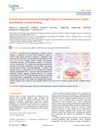 9 citations
,
December 2024 in “Nano Research”
9 citations
,
December 2024 in “Nano Research” A protein-based hydrogel helps heal diabetic wounds and repair nerves.
 4 citations
,
January 2015 in “Sen'i Gakkaishi”
4 citations
,
January 2015 in “Sen'i Gakkaishi” Hair and wool strength is affected by the number and type of bonds in their protein structures, with hair having more protein aggregates than wool.
37 citations
,
August 2024 in “Current Issues in Molecular Biology” Keratins 6, 16, and 17 increase in damaged or diseased skin and may help diagnose skin issues.
 555 citations
,
July 2001 in “Genes & Development”
555 citations
,
July 2001 in “Genes & Development” Tcf3 and Lef1 are key in deciding skin stem cell roles.
215 citations
,
November 2000 in “Journal of Investigative Dermatology” The system allows precise control of gene expression in mouse skin, useful for studying skin biology.
 140 citations
,
August 2011 in “Biomaterials”
140 citations
,
August 2011 in “Biomaterials” Keratose, derived from human hair, is a non-toxic biomaterial good for tissue regeneration and integrates well with body tissues.
 140 citations
,
April 2004 in “The journal of investigative dermatology/Journal of investigative dermatology”
140 citations
,
April 2004 in “The journal of investigative dermatology/Journal of investigative dermatology” The enzyme 25 Hydroxyvitamin D 1 α-Hydroxylase is essential for healthy skin and recovery after skin damage.
 115 citations
,
August 2008 in “The Journal of Clinical Endocrinology & Metabolism”
115 citations
,
August 2008 in “The Journal of Clinical Endocrinology & Metabolism” Thyroid hormones help hair grow, reduce hair loss, and increase hair pigment.
106 citations
,
December 2015 in “Biomacromolecules” Keratin hydrogels can be customized for better tissue healing.
 101 citations
,
August 2010 in “PLoS ONE”
101 citations
,
August 2010 in “PLoS ONE” Selenoproteins are crucial for healthy skin and hair.
92 citations
,
April 1999 in “The journal of investigative dermatology/Journal of investigative dermatology” Nonpalmoplantar skin cells can be made to express keratin 9 by interacting with palmoplantar fibroblasts.
91 citations
,
December 2000 in “The journal of cell biology/The Journal of cell biology” Scientists successfully created mouse hair proteins in the lab, which are stable and similar to natural hair.
80 citations
,
June 2002 in “Molecular Biology of the Cell” Type II keratins are uniquely phosphorylated during stress and mitosis, affecting their structure and function.
 52 citations
,
May 2015 in “PLOS Genetics”
52 citations
,
May 2015 in “PLOS Genetics” miR-22, a type of microRNA, controls hair growth and its overproduction can cause hair loss, while its absence can speed up hair growth.
43 citations
,
October 2006 in “Journal of Cell Science” Keratin 10 end domains may increase skin cancer risk by reducing cell death.
40 citations
,
September 2010 in “Journal of Biological Chemistry” Keratin K80 is an ancient protein found in various tissues, important for cell structure and tissue differentiation.
 30 citations
,
March 2017 in “ACS biomaterials science & engineering”
30 citations
,
March 2017 in “ACS biomaterials science & engineering” Hair follicles are valuable for regenerative medicine and wound healing.
 28 citations
,
February 2012 in “PLoS ONE”
28 citations
,
February 2012 in “PLoS ONE” A PKP1 gene mutation causes skin fragility and hair loss in Chesapeake Bay retriever puppies.