28 citations
,
June 2012 in “International Journal of Molecular Medicine” Radiation damages hair stem cells and changes keratin expression, with Krt5 as a potential marker for radiation effects.
 3 citations
,
July 2023 in “The journal of investigative dermatology/Journal of investigative dermatology”
3 citations
,
July 2023 in “The journal of investigative dermatology/Journal of investigative dermatology” Keratin 17 is important for skin's response to radiation, affecting many genes and cell division.
 1 citations
,
January 2023 in “Biochemical and biophysical research communications”
1 citations
,
January 2023 in “Biochemical and biophysical research communications” Keratin 79 is linked to liver damage and may help diagnose liver diseases.
 June 2025 in “International Journal of Cosmetic Science”
 Keratin-encapsulated liposomes effectively repair and protect UV-damaged hair.
 September 2025 in “International Journal of Cosmetic Science”
 Heat and UV exposure damage hair structure by altering keratins.
 3 citations
,
January 2021 in “ScienceAsia”
3 citations
,
January 2021 in “ScienceAsia” Using an enzyme and keratin treatment can significantly repair and strengthen damaged hair.
 11 citations
,
February 2018 in “Amino acids”
11 citations
,
February 2018 in “Amino acids” Copper and iron cause keratin damage in hair by converting methionine to homocysteine.
 January 2024 in “Molecules (Basel. Online)”
 Juglone from walnut extracts may help repair damaged hair.
5 citations
,
December 2020 in “International journal of biological macromolecules” Treatments improved hair surface and scale structure but didn't increase certain bonds in the hair cortex.
 August 2023 in “Journal of Health and Beauty”
 K-30 treatment restores protein and weight in damaged hair, making it similar to healthy hair.
5 citations
,
September 2018 in “International journal of genomics” Genetic mutations that disrupt homocysteine breakdown lead to increased damage in mouse hair keratin.
12 citations
,
October 2018 in “Biotechnology reports” Recombinant keratin K31 makes damaged hair thicker, stronger, and straighter.
37 citations
,
August 2024 in “Current Issues in Molecular Biology” Keratins 6, 16, and 17 increase in damaged or diseased skin and may help diagnose skin issues.
 10 citations
,
January 2012 in “Journal of Biological Macromolecules”
10 citations
,
January 2012 in “Journal of Biological Macromolecules” Keratin film can effectively replace human hair for testing hair damage.
1 citations
,
January 2006 High temperatures and cosmetic processes can damage hair keratin, affecting its structure and strength.
 January 2019 in “Durham e-Theses (Durham University)”
 Advanced microscopy shows hair damage and keratin proteins' roles, aiding future cosmetic treatments.
 January 2013 in “Transactions of the Materials Research Society of Japan”
 CMADK reduces hair damage from bleaching and permanent waving.
 20 citations
,
June 2012 in “British Journal of Dermatology”
20 citations
,
June 2012 in “British Journal of Dermatology” Bleaching hair damages protein structure, especially keratin, leading to weakened hair.
 13 citations
,
March 2019 in “Journal of cosmetic dermatology”
13 citations
,
March 2019 in “Journal of cosmetic dermatology” Heat damages hair, with Asian hair losing more protein than Caucasian hair.
12 citations
,
October 2007 in “PubMed” Keratin helps protect and strengthen hair, reducing damage and color fading.
 10 citations
,
May 2020 in “Journal of proteome research”
10 citations
,
May 2020 in “Journal of proteome research” Explosions don't stop hair proteins from being used to identify people.
10 citations
,
January 2011 in “Skin research and technology” Procyanidin oligomers can protect hair from oxidative damage and could be good for hair care products.
3 citations
,
May 2012 in “Journal of Biological Macromolecules” Keratin film can effectively mimic human hair for testing hair damage.
2 citations
,
July 2013 in “Fashion business” Keratin essence protects and improves damaged hair.
 1 citations
,
April 2023 in “Langmuir”
1 citations
,
April 2023 in “Langmuir” Damaged hair allows water to penetrate more easily, and fatty acids from shampoos can deposit on hair surfaces.
July 2025 in “Journal of Investigative Dermatology” BrdU speeds up hair follicle aging and reduces hair quality.
 July 2025 in “Scientific Reports”
 Fermented grapeseed oil effectively repairs and protects chemically damaged hair.
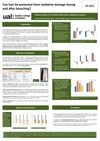 September 2018 in “University of the Arts London Research Online (University of the Arts London)”
 L-arginine, hydrolysed keratin, and cystine-silanol copolymer can help protect hair from damage during and after bleaching.
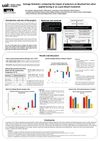 June 2017 in “University of the Arts London Research Online (University of the Arts London)”
 Polymers help reduce damage and improve bleached hair when used during or after bleaching.
November 2001 in “PubMed” Perming, combing, and stretching damage hair by reducing keratin.