 36 citations
,
October 2014 in “Langmuir”
36 citations
,
October 2014 in “Langmuir” Bleaching hair removes its protective top layer and exposes more hydrophilic groups, changing its chemical surface and affecting how it interacts with products.
48 citations
,
November 2002 in “Journal of biological chemistry/The Journal of biological chemistry” Genetic variations in hair keratin proteins exist but don't significantly affect hair structure.
30 citations
,
November 2012 in “Proceedings of the Royal Society B Biological Sciences” Hard α-keratins stay stiff in water because the surrounding matrix keeps them dehydrated and strong.
13 citations
,
November 2007 in “Journal of Structural Biology” Keratin heterodimers are preferred for their specific and structural advantages.
13 citations
,
February 2019 in “Zoology” Lustre mutant sheep have normal hair structure and proteins but differ in felting properties.
7 citations
,
June 2019 in “Coloration Technology” Translucent keratin films are better for testing hair dyes.
26 citations
,
January 2011 in “Open Journal of Genetics” The KAP13-3 gene in sheep affects wool quality by influencing keratin assembly.
517 citations
,
February 2010 in “Materials” Keratin from hair and wool is used in medical materials for healing and drug delivery.
30 citations
,
January 1994 in “Micron” Mature hair surfaces are formed by keratinized cells with developed layers, not just modified plasma membranes.
24 citations
,
June 2003 in “Journal of Structural Biology” Sheet formation is key to macrofibril structure differences in wool.
7 citations
,
July 2019 in “Animals” The KRTAP21-1 gene affects wool yield and can help improve wool production.
October 2021 in “Authorea (Authorea)” New hair perming method using tyrosine is gentler and can be done with a blow-dryer.
July 2019 in “Ferroelectrics” More human hair protein makes the films weaker and less clear.
35 citations
,
May 2011 in “Experimental Dermatology” Aging causes changes in hair follicles, leading to weaker hair growth.
 19 citations
,
January 2009 in “International review of cell and molecular biology”
19 citations
,
January 2009 in “International review of cell and molecular biology” Hair's strength and flexibility come from its protein structure and molecular interactions.
 December 2025 in “The American Journal of Medical Sciences and Pharmaceutical Research”
 Ultrasonic and infrared treatments can improve hair strength and appearance with minimal damage.
 April 2024 in “Cosmetics”
 Different oils affect hair flexibility and strength, with their impact varying on whether hair is virgin or bleached.
 January 2024 in “Seven Editora eBooks”
 Different techniques measure hair properties to ensure cosmetic products work.
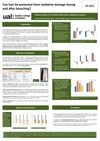 September 2018 in “University of the Arts London Research Online (University of the Arts London)”
 L-arginine, hydrolysed keratin, and cystine-silanol copolymer can help protect hair from damage during and after bleaching.
28 citations
,
September 1995 in “Biochemistry and Cell Biology” Merkel cells are more densely found in hairless skin areas like palms and soles.
 22 citations
,
April 2020 in “Scientific reports”
22 citations
,
April 2020 in “Scientific reports” Changthangi goats have specific genes that help produce Pashmina wool.
 14 citations
,
March 1995 in “Journal of cell science”
14 citations
,
March 1995 in “Journal of cell science” SV40 T antigen in hair follicles causes abnormal hair and health issues in mice.
 13 citations
,
January 2010 in “Advances in Biochemical Engineering / Biotechnology”
13 citations
,
January 2010 in “Advances in Biochemical Engineering / Biotechnology” Understanding hair biology is key to developing better treatments for hair and scalp issues.
7 citations
,
November 2007 in “Differentiation” The NF-κB effector p65/RelA activates hair keratin genes, aiding hair formation.
 3 citations
,
March 2019 in “Tekstil Ve Konfeksiyon”
3 citations
,
March 2019 in “Tekstil Ve Konfeksiyon” Anatolian native goat down-hair is similar to cashmere and can be used for high-quality textiles.
2 citations
,
May 2019 in “Small ruminant research” Mutations in specific llama genes may affect fiber quality for textiles.
November 2025 in “Advanced Healthcare Materials” Charge-conversion chemistry improves hair-rebonding by enhancing penetration and strength.
 October 2023 in “arXiv (Cornell University)”
 Human hair keratins might be good for filtering out harmful substances like diclofenac and PFBS from water.
 July 2023 in “Drug testing and analysis (Print)”
 Homemade hair treatments can significantly lower drug levels in hair, possibly causing false-negative drug tests.
 December 1991 in “Annals of the New York Academy of Sciences”
 Keratin proteins are crucial for hair structure and strength.