 41 citations
,
November 2011 in “The Journal of Dermatology”
41 citations
,
November 2011 in “The Journal of Dermatology” Some hair loss disorders are caused by genetic mutations affecting hair growth.
 41 citations
,
October 2008 in “The American journal of pathology”
41 citations
,
October 2008 in “The American journal of pathology” Blocking a specific protein signal can make hair grow on mouse nipples.
40 citations
,
November 2021 in “International Journal of Molecular Sciences” Mutant keratins cause inflammation in Epidermolysis Bullosa Simplex, suggesting targeting them could help treat the disorder.
40 citations
,
May 2005 in “Journal of Cell Science” Truncated LTBP-1 disrupts TGF-β signaling, affecting hair growth.
40 citations
,
January 1985 in “Tissue and Cell” Sebum production in sebaceous glands is similar to hair growth, involving cell development and degeneration.
 39 citations
,
January 2015 in “International journal for parasitology/International Journal for Parasitology”
39 citations
,
January 2015 in “International journal for parasitology/International Journal for Parasitology” Epidermal keratinocytes start wound healing and inflammation after schistosome infection.
39 citations
,
November 2009 in “Clinical and Experimental Dermatology” Immune privilege collapse in hair follicles may cause permanent hair loss in certain conditions.
39 citations
,
March 1997 in “The Lancet” Acquired perforating dermatosis often affects skin in people with kidney issues and diabetes.
39 citations
,
January 1979 in “Journal of the Society of Cosmetic Scientists of Korea” Surfactants can protect or harm hair, skin, and nails, depending on their type and use.
38 citations
,
September 2017 in “Cancer Research” Boosting certain cell signals can prevent hair loss from cancer treatments.
38 citations
,
July 2004 in “Journal of experimental zoology. Part B, Molecular and developmental evolution” Reptilian scales, feathers, and hairs evolved from changes in skin cell interactions.
38 citations
,
September 1997 in “The journal of investigative dermatology/Journal of investigative dermatology” A mutation in mice causes hair loss and skin issues due to a defect in a gene affecting cell adhesion.
38 citations
,
November 1991 in “Archiv für Pathologische Anatomie und Physiologie und für Klinische Medicin” Keratins 8 and 14 can help identify and diagnose benign skin tumors.
37 citations
,
October 2015 in “PeerJ” Perming significantly changes hair's molecular structure, while shampoo and conditioner do not.
37 citations
,
October 2009 in “Veterinary Dermatology” Canine hair follicles contain stem-like cells with high growth potential.
 37 citations
,
January 2009 in “The Journal of Dermatology”
37 citations
,
January 2009 in “The Journal of Dermatology” Hair follicle stem cells can turn into various cell types and help repair nerves.
37 citations
,
April 1977 in “Journal of Cutaneous Pathology” Skin biopsy can help diagnose hair loss from trichotillomania.
 36 citations
,
July 2019 in “Journal of Materials Science Materials in Medicine”
36 citations
,
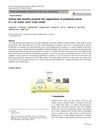
July 2019 in “Journal of Materials Science Materials in Medicine” Human hair keratin helps repair nerve damage in rats.
 36 citations
,
September 2013 in “PLoS ONE”
36 citations
,
September 2013 in “PLoS ONE” Sweat gland stem cells help maintain glands, aid wound healing, and can regenerate skin structures.
36 citations
,
October 1993 in “British Journal of Dermatology” Human hair follicles can grow in a lab for at least 9 days without serum, keeping their natural characteristics.
35 citations
,
August 2009 in “Differentiation” Desmoglein 4 is controlled by specific proteins that affect hair growth.
35 citations
,
April 1998 in “PubMed” Activated erbB-2 in mice skin causes severe skin and hair abnormalities.
34 citations
,
July 2020 in “American journal of human genetics” Changes in the SREBF1 gene cause a rare genetic skin and hair disorder.
 34 citations
,
June 2008 in “In vitro cellular & developmental biology. Animal”
34 citations
,
June 2008 in “In vitro cellular & developmental biology. Animal” Scientists created a long-lasting stem cell line from human hair that can turn into different skin and hair cell types.
34 citations
,
January 1998 in “Archiv für Pathologische Anatomie und Physiologie und für Klinische Medicin” Trichoblastomas may mimic fetal skin development by having many Merkel cells, unlike adult skin.
34 citations
,
December 1984 in “Journal of Cutaneous Pathology” Monilethrix hair issues are due to problems in the hair's internodes.
33 citations
,
September 2017 in “Journal of Investigative Dermatology” A mutation in the KRT25 gene causes woolly hair and hair loss.
 33 citations
,
March 2013 in “Journal of Investigative Dermatology”
33 citations
,
March 2013 in “Journal of Investigative Dermatology” Human hair follicle stem cells show signs of low oxygen levels, which may be important for hair growth and preventing baldness.
33 citations
,
February 2012 in “British Journal of Dermatology” Mutations in the p63 gene affect skin adhesion, barrier integrity, and hair growth.
33 citations
,
March 1994 in “PubMed” High ODC and low K1 and K10 may indicate early skin tumors in mice.