122 citations
,
January 2006 in “Molecular & Cellular Proteomics” Human hair contains many proteins, with some being highly abundant and modified.
 16 citations
,
November 2022 in “eLife”
16 citations
,
November 2022 in “eLife” Both gene and non-gene areas of DNA evolved to make some mammals hairless.
 6 citations
,
July 2022 in “World journal of stem cells”
6 citations
,
July 2022 in “World journal of stem cells” Using extracellular vesicles from stem cells can help hair grow by affecting scalp cells and hair follicles.
 20 citations
,
June 2012 in “British Journal of Dermatology”
20 citations
,
June 2012 in “British Journal of Dermatology” Bleaching hair damages protein structure, especially keratin, leading to weakened hair.
 39 citations
,
January 2015 in “International journal for parasitology/International Journal for Parasitology”
39 citations
,
January 2015 in “International journal for parasitology/International Journal for Parasitology” Epidermal keratinocytes start wound healing and inflammation after schistosome infection.
 7 citations
,
July 2019 in “International Journal of Molecular Sciences”
7 citations
,
July 2019 in “International Journal of Molecular Sciences” PGA-4HGF may help treat hair loss by activating hair growth pathways and extending the hair growth phase.
May 2006 in “The Journal of Cell Biology” Keratin 17 is crucial for cell growth in wound healing by aiding protein synthesis.
 2 citations
,
April 2018 in “Journal of Investigative Dermatology”
2 citations
,
April 2018 in “Journal of Investigative Dermatology” Frontal fibrosing alopecia shows increased inflammation and JAK-STAT pathway activity without reduced hair proteins.
 21 citations
,
November 2011 in “The journal of investigative dermatology/Journal of investigative dermatology”
21 citations
,
November 2011 in “The journal of investigative dermatology/Journal of investigative dermatology” Telogen is an active phase with important biological processes, not a resting phase.
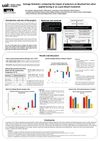 June 2017 in “University of the Arts London Research Online (University of the Arts London)”
 Polymers help reduce damage and improve bleached hair when used during or after bleaching.
75 citations
,
September 2015 in “Acta biomaterialia” Alkylation of human hair keratin allows for adjustable drug release rates in hydrogels for medical use.
 53 citations
,
July 2011 in “Biomaterials”
53 citations
,
July 2011 in “Biomaterials” Human liver cells stick to hair protein materials mainly through the liver's asialoglycoprotein receptor.
 15 citations
,
January 2012 in “Journal of Veterinary Science”
15 citations
,
January 2012 in “Journal of Veterinary Science” Different dog breeds have varying skin thickness and protein expression in their skin.
23 citations
,
April 2003 in “Journal of Structural Biology” Keratin structure changes during keratinization, but the exact model remains uncertain.
 April 2018 in “Journal of Investigative Dermatology”
 The keratin network in mouse skin changes during cornification and affects the skin's protective barrier.
5 citations
,
September 2018 in “International journal of genomics” Genetic mutations that disrupt homocysteine breakdown lead to increased damage in mouse hair keratin.
 3 citations
,
June 2020 in “Developmental Cell”
3 citations
,
June 2020 in “Developmental Cell” Feather patterns are influenced by enhancers and chromatin looping, and the structure of protein complexes important for hair growth has been detailed.

The GG genotype of the KRT71 gene leads to longer wool in Gansu alpine fine-wool sheep.
47 citations
,
January 2024 in “iScience” Stress keratins are expressed less in diseased skin and are linked to differentiation, inflammation, and immunity.
 6 citations
,
November 2010 in “Histochemistry and cell biology”
6 citations
,
November 2010 in “Histochemistry and cell biology” The proteins transthyretin and megalin are more present in the growth phase of hair, suggesting they might affect hair health and growth.
February 2015 in “American journal of medical and biological research” Balding hair follicles have less growth-promoting factors and more inhibitory factors, leading to hair loss.
29 citations
,
August 2011 in “PubMed” Hair and nail proteins, mainly keratins, are crucial for structure and can indicate health issues.

Keratin hydrogels from human hair show promise for tissue engineering and regenerative medicine.
 356 citations
,
December 1986 in “The journal of cell biology/The Journal of cell biology”
356 citations
,
December 1986 in “The journal of cell biology/The Journal of cell biology” Hair and nail cells share similar proteins, indicating a common differentiation pathway.
 8 citations
,
July 2011 in “Animal science journal”
8 citations
,
July 2011 in “Animal science journal” Keratin 33A is a key protein in goat winter coats, especially in high-producing breeds.
 41 citations
,
October 2008 in “The American journal of pathology”
41 citations
,
October 2008 in “The American journal of pathology” Blocking a specific protein signal can make hair grow on mouse nipples.
 January 2023 in “Frontiers in bioscience”
 Artemis protein may help control hair growth and health by influencing cell processes.
 April 2018 in “D-Scholarship@Pitt (University of Pittsburgh)”
 Keratin-75 is secreted by ameloblasts in a unique way without a signal peptide.
 January 2023 in “European journal of gynaecological oncology”
 KRT17 may be a new target for endometrial cancer treatment because it helps cancer cells move and form new blood vessels.
November 2024 in “Biophysical Chemistry” Hair structure changes immediately during perm treatment, with initial damage partially restored later.