 128 citations
,
March 2006 in “American Journal of Pathology”
128 citations
,
March 2006 in “American Journal of Pathology” Prolactin contributes to hair loss by promoting hair follicle shrinkage and cell death.
 January 2018 in “Open access journal of pharmaceutical research”
 Biofield Energy Healing may increase hair growth by enhancing cell proliferation.
 1 citations
,
January 2020
1 citations
,
January 2020 Ift20 is essential for hair follicle function and skin cell movement.
 38 citations
,
July 2019 in “Nature Communications”
38 citations
,
July 2019 in “Nature Communications” Par3 protein is essential for skin cell balance and stability.
 11 citations
,
March 2013 in “Journal of Applied Biomedicine”
11 citations
,
March 2013 in “Journal of Applied Biomedicine” β-catenin helps hair follicle stem cells grow by activating a specific cell pathway.
6 citations
,
November 2022 in “Antioxidants” OR2AT4 helps reduce aging and cell damage in human skin cells.
1 citations
,
May 2022 in “International journal of molecular sciences” Faulty LEF1 activation causes faster skin cell differentiation in premature aging syndrome.
 November 2020 in “bioRxiv (Cold Spring Harbor Laboratory)”
 Dermal EZH2 controls skin cell growth and differentiation in mice.
 96 citations
,
October 2000 in “The FASEB Journal”
96 citations
,
October 2000 in “The FASEB Journal” The p75 neurotrophin receptor is important for hair follicle regression by controlling cell death.
 51 citations
,
December 2003 in “The FASEB Journal”
51 citations
,
December 2003 in “The FASEB Journal” The substance AS101 can help hair grow by slowing down hair cell aging and boosting a hair growth protein.
49 citations
,
November 2013 in “The Journal of Steroid Biochemistry and Molecular Biology” Vitamin D receptor helps control skin cell growth and hair development.
 37 citations
,
January 2009 in “The Journal of Dermatology”
37 citations
,
January 2009 in “The Journal of Dermatology” Hair follicle stem cells can turn into various cell types and help repair nerves.
1 citations
,
April 2016 in “Journal of lipid research” Lipin-1 is important for skin cell differentiation and skin barrier function.
June 2026 in “Immunity Inflammation and Disease” Dandruff involves inflammation and increased skin cell growth, not just flaking.
 13 citations
,
June 2018 in “Journal of histochemistry and cytochemistry/The journal of histochemistry and cytochemistry”
13 citations
,
June 2018 in “Journal of histochemistry and cytochemistry/The journal of histochemistry and cytochemistry” Laminin-511 may contribute to psoriasis by affecting skin cell growth and survival.
5 citations
,
November 2021 in “The journal of investigative dermatology/Journal of investigative dermatology” Wnt/β-catenin signaling is important for keeping skin cell attachment structures stable.
 158 citations
,
August 2011 in “Reviews in endocrine and metabolic disorders”
158 citations
,
August 2011 in “Reviews in endocrine and metabolic disorders” Vitamin D and its receptor regulate skin functions like cell growth, immunity, hair cycle, and tumor prevention.
 6 citations
,
March 2022 in “PLoS ONE”
6 citations
,
March 2022 in “PLoS ONE” Centipedegrass extract may promote hair growth by activating certain cell pathways.
 25 citations
,
September 2020 in “Molecules”
25 citations
,
September 2020 in “Molecules” Quercitrin may help treat hair loss by promoting hair growth and improving cell health.
 4 citations
,
December 2015 in “Journal of Medicinal Plants Research”
4 citations
,
December 2015 in “Journal of Medicinal Plants Research” A plant mixture extract helped grow hair by boosting cell growth and growth factors while blocking a hair loss-related enzyme.
 April 2020 in “Research Square (Research Square)”
 Exosomes from stem cells help wounds heal faster by affecting specific cell signals.
 July 2023 in “International Journal of Molecular Sciences”
 N,N-Dimethylglycine Sodium Salt helps reduce skin inflammation and improves skin cell growth and healing.
 215 citations
,
March 2018 in “Archives of Toxicology”
215 citations
,
March 2018 in “Archives of Toxicology” Tiny pollution particles called PM2.5 can harm skin cells by causing stress, damage to cell parts, and cell death.
 42 citations
,
March 2014 in “European Journal of Pharmacology”
42 citations
,
March 2014 in “European Journal of Pharmacology” Ginsenoside F2 from ginseng may increase hair growth better than standard treatments by affecting cell growth signals.
35 citations
,
October 2013 in “Journal of Dermatological Science” VEGF165 influences hair follicle cell growth and movement through VEGFR-2 activation.
 40 citations
,
December 2015 in “Stem Cells International”
40 citations
,
December 2015 in “Stem Cells International” Mesenchymal stem cells help improve wound healing by reducing inflammation and promoting skin cell growth and movement.
 11 citations
,
May 2016 in “Naunyn-Schmiedeberg's Archives of Pharmacology”
11 citations
,
May 2016 in “Naunyn-Schmiedeberg's Archives of Pharmacology” A substance called 15-deoxy prostaglandin J2 can cause hair follicle cells to die, which might explain how prostaglandin D2 can lead to hair loss.
 7 citations
,
December 2008 in “Journal of Dermatological Science”
7 citations
,
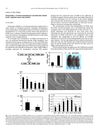
December 2008 in “Journal of Dermatological Science” Progranulin overexpression leads to shorter, thinner hair and increased cell death in mouse hair follicles.
9 citations
,
October 1991 in “Archives of Dermatological Research” Testosterone, DHT, and estradiol significantly affect hair cell growth.
Keratinocytes can reverse the effects of the GNAQ oncogene, inhibiting melanoma cell growth.