 11 citations
,
January 2012 in “Journal of cell science”
11 citations
,
January 2012 in “Journal of cell science” Rac1 is essential for proper hair structure and color.
 2 citations
,
March 2023 in “BMC ecology and evolution”
2 citations
,
March 2023 in “BMC ecology and evolution” Some hair protein genes evolved early and were adapted for use in hair follicles.
 1 citations
,
January 2023 in “Biochemical and biophysical research communications”
1 citations
,
January 2023 in “Biochemical and biophysical research communications” Keratin 79 is linked to liver damage and may help diagnose liver diseases.
 10 citations
,
January 2012 in “Journal of biomedical optics”
10 citations
,
January 2012 in “Journal of biomedical optics” Melanin density affects hair color, and this method can help in cosmetic assessments and diagnosing hair diseases.
 9 citations
,
December 2024 in “Nano Research”
9 citations
,
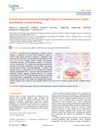
December 2024 in “Nano Research” A protein-based hydrogel helps heal diabetic wounds and repair nerves.
 555 citations
,
July 2001 in “Genes & Development”
555 citations
,
July 2001 in “Genes & Development” Tcf3 and Lef1 are key in deciding skin stem cell roles.
 140 citations
,
August 2011 in “Biomaterials”
140 citations
,
August 2011 in “Biomaterials” Keratose, derived from human hair, is a non-toxic biomaterial good for tissue regeneration and integrates well with body tissues.
130 citations
,
April 2003 in “Journal of Investigative Dermatology” Four specific keratins in hair follicles help understand hair structure and function.
 115 citations
,
August 2008 in “The Journal of Clinical Endocrinology & Metabolism”
115 citations
,
August 2008 in “The Journal of Clinical Endocrinology & Metabolism” Thyroid hormones help hair grow, reduce hair loss, and increase hair pigment.
 101 citations
,
August 2010 in “PLoS ONE”
101 citations
,
August 2010 in “PLoS ONE” Selenoproteins are crucial for healthy skin and hair.
100 citations
,
December 2002 in “Journal of biological chemistry/The Journal of biological chemistry” Researchers mapped and categorized specific keratin-associated protein genes on human chromosome 21q22.1.
97 citations
,
March 2010 in “The American Journal of Human Genetics” A mutation in the KRT74 gene causes tightly curled hair.
 96 citations
,
June 2017 in “Nature Communications”
96 citations
,
June 2017 in “Nature Communications” A WNT10A gene mutation leads to ectodermal dysplasia by disrupting cell growth and differentiation.
92 citations
,
April 1999 in “The journal of investigative dermatology/Journal of investigative dermatology” Nonpalmoplantar skin cells can be made to express keratin 9 by interacting with palmoplantar fibroblasts.
91 citations
,
December 2000 in “The journal of cell biology/The Journal of cell biology” Scientists successfully created mouse hair proteins in the lab, which are stable and similar to natural hair.
90 citations
,
February 2001 in “The journal of investigative dermatology/Journal of investigative dermatology” Interleukin-1 increases keratin K6 production in skin cells.
89 citations
,
April 2015 in “Materials Science and Engineering C” Keratin-based hydrogels from human hair improve wound healing effectively.
86 citations
,
May 2002 in “Journal of Investigative Dermatology” A new keratin, hK6irs1, is found in all layers of the hair follicle's inner root sheath.
79 citations
,
October 1998 in “Genomics” Mouse keratin 6 genes evolved independently from human ones and are regulated differently.
79 citations
,
August 1998 in “The Journal of Cell Biology” Keratin 16 delays skin maturation and affects skin and hair development in mice.
78 citations
,
May 2012 in “Journal of Investigative Dermatology” A specific gene mutation causes woolly hair and hair loss.
72 citations
,
August 2014 in “Genome Biology and Evolution” Feather diversity is due to different keratin gene combinations, and chickens can help study human keratin diseases.
56 citations
,
September 2010 in “Veterinary pathology” Certain mouse strains develop a skin condition similar to a human hair loss disease due to genetic defects.
 52 citations
,
May 2015 in “PLOS Genetics”
52 citations
,
May 2015 in “PLOS Genetics” miR-22, a type of microRNA, controls hair growth and its overproduction can cause hair loss, while its absence can speed up hair growth.
51 citations
,
January 2007 in “The journal of investigative dermatology/Journal of investigative dermatology” Scientists discovered a unique hair protein, KAP24.1, with a special structure, found only in the upper part of hair cuticles.
47 citations
,
January 2024 in “iScience” Stress keratins are expressed less in diseased skin and are linked to differentiation, inflammation, and immunity.
43 citations
,
October 2006 in “Journal of Cell Science” Keratin 10 end domains may increase skin cancer risk by reducing cell death.
40 citations
,
November 2021 in “International Journal of Molecular Sciences” Mutant keratins cause inflammation in Epidermolysis Bullosa Simplex, suggesting targeting them could help treat the disorder.
40 citations
,
September 2010 in “Journal of Biological Chemistry” Keratin K80 is an ancient protein found in various tissues, important for cell structure and tissue differentiation.
38 citations
,
November 2020 in “International journal of biochemistry & cell biology” Keratin proteins are essential for keeping the cells in the human colon healthy and stable.