 3 citations
,
June 1983 in “Archives of Dermatology”
3 citations
,
June 1983 in “Archives of Dermatology” Aminopterin effectively improves skin conditions but has toxic side effects that need careful monitoring.
 14 citations
,
June 2019 in “BMC infectious diseases”
14 citations
,
June 2019 in “BMC infectious diseases” A rare fungal infection on a child's scalp was successfully treated with antifungal medication.
42 citations
,
September 2003 in “Journal of Investigative Dermatology” A missing mK6irs1 gene causes hair loss in mice.
 39 citations
,
March 2008 in “Growth hormone & IGF research”
39 citations
,
March 2008 in “Growth hormone & IGF research” Raspberry ketone may help grow hair and improve skin elasticity.
April 2021 in “The journal of investigative dermatology/Journal of investigative dermatology” TET enzymes are important for skin and hair development by controlling gene activity in specific areas.
June 2011 in “European Journal of Pediatric Dermatology” An 11-year-old girl with hair thinning was diagnosed with monilethrix and early androgenetic alopecia.
 6 citations
,
December 2010 in “Journal of Investigative Dermatology”
6 citations
,
December 2010 in “Journal of Investigative Dermatology” Albert M. Kligman made major contributions to dermatology, including inventing a stain for fungi and advancing knowledge on skin diseases, and his legacy continues through his trainees and philanthropy.
 May 2021 in “Zenodo (CERN European Organization for Nuclear Research)”
 Biotin may help hair and nails grow.
 February 2025 in “bioRxiv (Cold Spring Harbor Laboratory)”
 Keratin 15 helps keep skin cells in a young, undifferentiated state.
Giant axonal neuropathy changes the structure of keratin in human hair, making it stiffer and stronger.
70 citations
,
February 2007 in “Journal of Investigative Dermatology” K39 and K40 are the last keratins expressed in hair development, completing the hair keratin catalog.
 April 2026 in “Zenodo (CERN European Organization for Nuclear Research)”
 The kidney bean conditioner is safe, effective, eco-friendly, and makes hair soft and shiny.
 April 2026 in “Zenodo (CERN European Organization for Nuclear Research)”
 The kidney bean conditioner is safe, effective, eco-friendly, and makes hair soft and shiny.
 April 2017 in “Journal of Investigative Dermatology”
 Triptolide effectively and safely reduces actinic keratosis lesions in mice.
Hair intradermotherapy effectively treats hair loss and boosts self-esteem.
 114 citations
,
December 1951 in “Archives of Dermatology”
114 citations
,
December 1951 in “Archives of Dermatology” Aminopterin strongly suppresses epithelial tissues and can treat certain skin conditions but has significant side effects.
 August 2018 in “SDÜ SAĞLIK BİLİMLERİ DERGİSİ”
 No method fully prevents hair loss from chemotherapy, but some methods can reduce it and improve quality of life.
7 citations
,
July 2019 in “Animals” The KRTAP21-1 gene affects wool yield and can help improve wool production.
8 citations
,
August 2012 in “Archives of dermatology” Psoriasis can cause hair growth in areas affected by alopecia areata.
10 citations
,
April 2007 in “PubMed” Coordinated gene activities are crucial for normal hair growth.
26 citations
,
March 1995 in “Differentiation” A rabbit gene important for hair development was identified and detailed.
 3 citations
,
September 2022 in “The journal of investigative dermatology/Journal of investigative dermatology”
3 citations
,
September 2022 in “The journal of investigative dermatology/Journal of investigative dermatology” Keratin 75 is important for fast wound healing and works with SOX2 and the LINC complex to help skin cells move and repair damage.
31 citations
,
January 1993 in “Skin Pharmacology and Physiology” Potassium channel openers can boost hair growth by stimulating DNA in hair follicles.
85 citations
,
January 1990 30 citations
,
November 2005 in “The journal of investigative dermatology. Symposium proceedings/The Journal of investigative dermatology symposium proceedings” The lipid in human hair follicles acts as a barrier, similar to the skin's lipid layer.
5 citations
,
January 1999 in “Journal of dermatological treatment” Bioré Pore Perfect strips effectively and safely clean pores on the nose.
561 citations
,
April 2003 in “Journal of Investigative Dermatology” CD34 is a marker for isolating stem-like cells in mouse hair follicles.
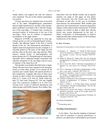 January 1999 in “Journal of the European Academy of Dermatology and Venereology”
 RAPK is a rare skin disorder with pigmented spots, mainly on hands and feet, starting in youth.
119 citations
,
August 2008 in “BMC Evolutionary Biology” KRTAP genes evolved early in mammals, leading to diverse hair traits.