130 citations
,
April 2003 in “Journal of Investigative Dermatology” Four specific keratins in hair follicles help understand hair structure and function.
 10 citations
,
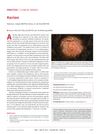
May 2017 in “CMAJ. Canadian Medical Association journal”
10 citations
,
May 2017 in “CMAJ. Canadian Medical Association journal” The boy had a fungal scalp infection called kerion, which was cured with oral antifungal medication.
98 citations
,
December 2015 in “The Journal of Cell Biology” Keratin is crucial for skin barrier formation and affects mitochondrial function.
 February 2020 in “Definitions”
 KRT72 gene helps form hair.
 4 citations
,
May 2020 in “PLOS ONE”
4 citations
,
May 2020 in “PLOS ONE” Ingenol mebutate gel changes gene expression related to skin development and immune response in actinic keratosis.
November 2024 in “The Journal of Dermatology” Removing ingrown hairs can significantly improve persistent kerion in children.
7 citations
,
January 1990 29 citations
,
June 2010 in “The Journal of Dermatology” Infants with severe KID syndrome may be more prone to serious infections and need close monitoring.
November 2011 in “International Society of Hair Restoration Surgery” Keratins are key to developing and regenerating hair follicles for treating hair loss.
45 citations
,
March 2001 in “Journal of Investigative Dermatology” A new protein, mK6irs, is found in specific hair layers and may help understand hair growth and diseases.
12 citations
,
October 2018 in “Biotechnology reports” Recombinant keratin K31 makes damaged hair thicker, stronger, and straighter.
11 citations
,
January 2021 in “British Journal of Dermatology” Mutations in the AP1B1 gene cause a new syndrome with skin, hearing, and developmental issues.
17 citations
,
February 2015 in “Experimental Dermatology” Keratins are crucial for hair strength, and mutations in certain keratin genes cause hair disorders.
6 citations
,
May 2000 in “Pediatric Dermatology” KID syndrome should be reclassified as an ectodermal dysplasia.
83 citations
,
May 2011 in “Experimental Dermatology” Sheep have 17 keratin genes, similar to humans, but with different expression patterns affecting wool and hair.
 24 citations
,
March 1998 in “Mycoses”
24 citations
,
March 1998 in “Mycoses” Early diagnosis and effective treatment of kerion Celsi prevent scarring and permanent hair loss.
 17 citations
,
September 2010 in “Pediatric dermatology”
17 citations
,
September 2010 in “Pediatric dermatology” A 15-year-old with KID syndrome developed a rare skin condition called PEHFN.
3 citations
,
January 2021 in “Therapeutic advances in infectious disease” A 9-year-old girl with a healthy immune system was successfully treated for a severe fungal scalp infection caused by Microsporum audouinii.
 2 citations
,
September 2020 in “Biomedical materials”
2 citations
,
September 2020 in “Biomedical materials” Recombinant keratin materials may better promote skin cell differentiation than natural keratin.
86 citations
,
May 2002 in “Journal of Investigative Dermatology” A new keratin, hK6irs1, is found in all layers of the hair follicle's inner root sheath.
1 citations
,
February 2013 in “InTech eBooks” LEKTI is crucial for skin barrier and immune function, affecting conditions like Netherton syndrome and atopic dermatitis.
90 citations
,
July 1993 in “Journal of Investigative Dermatology”  7 citations
,
July 2019 in “The Journal of Dermatology”
7 citations
,
July 2019 in “The Journal of Dermatology” Terbinafine effectively treated kerion celsi despite disrupted immune responses.
 17 citations
,
January 2009 in “Nippon Ishinkin Gakkai Zasshi”
17 citations
,
January 2009 in “Nippon Ishinkin Gakkai Zasshi” A 10-year-old boy recovered from a scalp infection caused by a fungus after treatment with itraconazole.
93 citations
,
July 2006 in “Journal of Investigative Dermatology” K25, K27, and K28 are found in all inner root sheath layers of hair, while K26 is only in the cuticle.
September 2021 in “Pediatrics in review” A baby with KID syndrome died from infections and organ failure at 18 months old.
1 citations
,
June 2018 in “Journal of General-Procedural Dermatology & Venereology Indonesia” Skin debridement and antifungals successfully treated severe scalp infection without scarring.
185 citations
,
December 2010 in “Archives of Biochemistry and Biophysics” Keratin gene mutations cause various skin and hair disorders, but new research offers hope for future treatments.
50 citations
,
July 2008 in “British Journal of Dermatology”