 December 2023 in “International journal of multidisciplinary research and analysis”
 SH-MSCs gel can effectively treat alopecia by increasing IL-10 and decreasing TNF-α gene expression.
 November 2023 in “British Journal of Dermatology”
 Different people with severe hair loss respond to baricitinib treatment at different times, with some showing improvement early, some gradually, and others later.

Patients and doctors often agree on the severity of eyebrow and eyelash hair loss in severe alopecia areata.
 November 2023 in “Curēus”
 Eating junk food is linked to higher rates of PCOS and related symptoms in women.
 October 2023 in “bioRxiv (Cold Spring Harbor Laboratory)”
 Early regulatory T cells are crucial for normal skin pigmentation.
 October 2023 in “bioRxiv (Cold Spring Harbor Laboratory)”
 Immune cells are essential for early hair and skin development and healing.
 October 2023 in “Dermatologie pro praxi”
 Alopecia areata causes hair loss and has various treatment options, but responses differ.
 August 2023 in “Dermatology reports”
 A baby with maple syrup urine disease improved from skin problems by adjusting his diet to correct amino acid levels.

New treatments for hair loss should target eight main causes and use specific plant compounds and peptides for better results.
May 2023 in “Sokoto journal of medical laboratory science” Commercial hair dyes can harm the skin and liver.
Deuruxolitinib effectively promotes hair regrowth in alopecia areata.
 May 2023 in “Journal of Clinical Medicine”
 New understanding and treatments for hair loss are improving, but more research is needed.
 January 2023 in “European endocrinology”
 People with alopecia have a higher risk of thyroid cancer.
 December 2022 in “Rossijskij žurnal kožnyh i veneričeskih boleznej”
 New treatments for child hair loss due to immune issues are effective but not yet officially approved.
 August 2022 in “Revista de la Universidad Industrial de Santander/Salud UIS”
 Stress-related hair loss was reversed with a special medication.

Early detection and treatment of hair-thread tourniquet syndrome in young girls is important to prevent serious harm.
 October 2021 in “Journal of the European Academy of Dermatology and Venereology”
 There have been major advances in diagnosing and treating hair loss over the last 30 years, with new drugs and improved hair transplant techniques.
 July 2021 in “British Journal of Dermatology”
 A woman with systemic sclerosis developed a unique scarring hair loss combining features of systemic sclerosis and frontal fibrosing alopecia.
 July 2018 in “Benha Journal of Applied Sciences”
 Higher levels of miR-203 may contribute to hair loss in alopecia areata.
 May 2018 in “International Journal of Advances in Medicine”
 A young woman recovered well from rare simultaneous Hepatitis B and autoimmune hepatitis after treatment.
June 2017 in “Journal of the American Academy of Dermatology” Plucked hair can help diagnose pemphigus vulgaris early.
 May 2017 in “InTech eBooks”
 Hair pulling disorder is treated with therapy and medication; hair loss from tension can be reversed if caught early.
 January 2017 in “Journal of Investigative Dermatology Symposium Proceedings”
 The 2015 Hair Research Congress concluded that stem cells, maraviroc, and simvastatin could potentially treat Alopecia Areata, topical minoxidil, finasteride, and steroids could treat Frontal Fibrosing Alopecia, and PTGDR2 antagonists could also treat alopecia. They also found that low-level light therapy could help with hair loss, a robotic device could assist in hair extraction, and nutrition could aid hair growth. They suggested that Alopecia Areata is an inflammatory disorder, not a single disease, indicating a need for personalized treatments.
 December 2016 in “Springer eBooks”
 Chrousos Syndrome is caused by mutations that make the body less sensitive to glucocorticoids, leading to various symptoms and requiring high-dose treatment.
 September 2016 in “Journal of Dermatology and Dermatologic Surgery”
 A woman's severe hair loss was caused by scalp psoriasis, not the initially thought condition, and treatment improved her psoriasis but couldn't restore her lost hair.

Canine fetal hair follicle stem cells show pluripotency, with higher S100 protein expression at 40 days.
 January 2015 in “Scientific Works. Series C, Veterinary Medicine”
 Canine demodicosis diagnosis is complex due to varied symptoms and atypical presentations.
 January 2013 in “Yearbook of Urology”
 Former finasteride users showed higher rates of depression and suicidal thoughts compared to those who never used it.
 April 2012 in “Informa Healthcare eBooks”
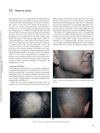
 Alopecia areata is a common autoimmune condition causing varying hair loss, diagnosed by specific patterns of inflammation around hair follicles, with several treatment options available.
 November 2011 in “Pediatric dermatology”
 Marie-Unna Hereditary Hypotrichosis is a rare genetic condition causing sparse hair growth, requiring specific recognition for proper care.