 28 citations
,
October 2013 in “Cornea”
28 citations
,
October 2013 in “Cornea” Scientists have made progress in creating replacement teeth, hair, and glands that work, which could lead to new treatments for missing teeth, baldness, and dryness conditions.
 28 citations
,
January 2011 in “Hearing Research”
28 citations
,
January 2011 in “Hearing Research” Gene therapy, especially using atoh1, shows promise for creating functional sensory hair cells in the inner ear, but dosing and side effects need to be managed for clinical application.
28 citations
,
June 1994 in “Journal of Dermatological Science” Proteolytic activity in mouse skin changes with hair cycle stages, peaking in early anagen.
27 citations
,
May 2019 in “Cosmetics” The hair cuticle is made of tough proteins that protect the hair, but more research is needed to fully understand its structure.
 27 citations
,
July 2018 in “Journal of optometry”
27 citations
,
July 2018 in “Journal of optometry” Eyelashes protect the eyes, but more research is needed to understand how.
 26 citations
,
June 2019 in “The journal of investigative dermatology/Journal of investigative dermatology”
26 citations
,
June 2019 in “The journal of investigative dermatology/Journal of investigative dermatology” Regenerative therapies show promise for treating vitiligo and alopecia areata.
 25 citations
,
September 2014 in “Biological Research”
25 citations
,
September 2014 in “Biological Research” Arctiin helps protect hair cells from damage and death caused by oxidative stress.
 25 citations
,
January 2011 in “Annals of Dermatology”
25 citations
,
January 2011 in “Annals of Dermatology” Erlotinib can cause hair loss as a side effect.
 25 citations
,
September 2010 in “Journal of Cutaneous Medicine and Surgery”
25 citations
,
September 2010 in “Journal of Cutaneous Medicine and Surgery” The study found that Central Centrifugal Cicatricial Alopecia mainly affects middle-aged African descent women, is linked to certain hair care practices and genetics, and often goes undiagnosed for years.
 24 citations
,
September 2020 in “Dermatology and therapy”
24 citations
,
September 2020 in “Dermatology and therapy” Oral minoxidil 5 mg daily increases hair growth safely in men with hair loss, with minor side effects.
 24 citations
,
June 2016 in “Acta dermato-venereologica”
24 citations
,
June 2016 in “Acta dermato-venereologica” Tofacitinib helped a young woman's severe hair loss and arthritis but not her plaque psoriasis.
 22 citations
,
April 2020 in “Scientific reports”
22 citations
,
April 2020 in “Scientific reports” Changthangi goats have specific genes that help produce Pashmina wool.
 22 citations
,
January 2018 in “Experimental Dermatology”
22 citations
,
January 2018 in “Experimental Dermatology” The meeting focused on understanding, diagnosing, and finding treatments for irreversible hair loss diseases.
 21 citations
,
September 2018 in “International journal of women’s dermatology”
21 citations
,
September 2018 in “International journal of women’s dermatology” People with Lichen planopilaris are more likely to have certain autoimmune and endocrine disorders but less likely to have conditions like allergies and diabetes.
 20 citations
,
January 2017 in “Actas Dermo-Sifiliográficas”
20 citations
,
January 2017 in “Actas Dermo-Sifiliográficas” Recent advances in hair loss treatments show significant progress.
 20 citations
,
March 1994 in “Clinical and Experimental Dermatology”
20 citations
,
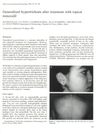
March 1994 in “Clinical and Experimental Dermatology” Too much topical minoxidil can cause excessive hair growth, but stopping treatment reverses it.
 20 citations
,
November 1968 in “The Lancet”
20 citations
,
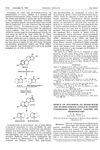
November 1968 in “The Lancet” Potassium levels affect blood sugar and insulin during dialysis, and malnutrition changes children's hair roots.
19 citations
,
February 2016 in “Journal of Biological Chemistry” KCNQ potassium channels help control the sensitivity of touch receptors in the skin.
18 citations
,
November 2016 in “PeerJ” Human hair follicles can be used to create stem cells that might help clone hair for treating hair loss or helping burn patients.
18 citations
,
January 1978 in “Advances in experimental medicine and biology” Hair cystine levels may indicate protein malnutrition, but more research is needed.
 17 citations
,
August 2019 in “Frontiers in Immunology”
17 citations
,
August 2019 in “Frontiers in Immunology” Non-invasive methods show promise for diagnosing skin diseases like psoriasis and lupus but need more research for regular use.
17 citations
,
May 2007 in “Forensic Science Medicine and Pathology” Clozapine levels in hair reflect dosage and bind more to pigmented hair.
 17 citations
,
July 1994 in “Journal of Dermatological Science”
17 citations
,
July 1994 in “Journal of Dermatological Science” The cause of alopecia areata is likely a mix of genetics, immune system issues, and environmental factors, with more research needed to understand it fully.
16 citations
,
January 2018 in “International journal of trichology” Genetics and nutritional deficiencies are key factors in premature graying of hair.
 16 citations
,
January 2013 in “Indian Journal of Dermatology, Venereology and Leprology”
16 citations
,
January 2013 in “Indian Journal of Dermatology, Venereology and Leprology” New treatments and early diagnosis methods for permanent hair loss due to scar tissue are important for managing its psychological effects.
 15 citations
,
October 2020 in “Journal of Investigative Dermatology Symposium Proceedings”
15 citations
,
October 2020 in “Journal of Investigative Dermatology Symposium Proceedings” Platelet-Rich Plasma (PRP) could potentially help regrow hair in people with Alopecia Areata, but more research is needed to confirm its effectiveness.
15 citations
,
August 2020 in “Analytical chemistry” Hair lipids do not protect against humidity.
 15 citations
,
November 2017 in “Drug Development and Industrial Pharmacy”
15 citations
,
November 2017 in “Drug Development and Industrial Pharmacy” Improved tablets lead to faster, better drug absorption for hair loss treatment.
14 citations
,
January 2021 in “Stem cell research & therapy” Human skin cells with stem-like features can help create new hair follicles and sebaceous glands when combined with other cells.
13 citations
,
May 2023 in “Journal of Dermatological Science” Reduced SIRT1 in hair cells may cause alopecia areata by triggering immune responses.