 9 citations
,
April 2019 in “International Journal of Molecular Sciences”
9 citations
,
April 2019 in “International Journal of Molecular Sciences” Kojyl cinnamate ester derivatives can promote hair growth by increasing adiponectin production in fat tissues.
114 citations
,
July 2003 in “PubMed” Lack of KSR1 stops certain skin tumors in mice.
12 citations
,
September 2019 in “BioFactors” Ginkgolide B and bilobalide help mink hair grow by making skin cells healthier and boosting a key growth protein.
125 citations
,
February 1971 in “Biochemistry” Specific cross-linkages help make hair proteins stable and strong.
 January 2024 in “OPAL (Open@LaTrobe) (La Trobe University)”
 TRPV3 channels are involved in skin processes and are affected by shear stress, influencing itch and mechanotransduction.
31 citations
,
April 2004 in “Journal of Investigative Dermatology” A new mouse gene, Keratin 17n, is mainly found in nail tissue and may explain why mice without Keratin 17 don't have nail issues.
![Synthesis and In Vitro Study of 17β-[N-Ureylene-N,N′-Disubstituted]-4-Methyl-4-Aza-5α-Androstan-3-Ones as Selective Inhibitors of Type I 5α-Reductase](/images/assets/d19df8a7-8de6-4430-8a0d-4ffa1f502985/small/15608.jpg) 5 citations
,
February 1997 in “Bioorganic & Medicinal Chemistry”
5 citations
,
February 1997 in “Bioorganic & Medicinal Chemistry” New compounds were made that effectively block a specific enzyme related to androgen conditions.
46 citations
,
November 1963 in “Journal of Histochemistry & Cytochemistry” Arginine converts to citrulline in hair follicles as proteins harden.
January 2002 in “中国人民解放军军医大学学报(英文版)” Human hair keratin scaffold material degrades in muscles mainly through the ubiquitin system with lysosome help.
 23 citations
,
March 2019 in “The journal of investigative dermatology/Journal of investigative dermatology”
23 citations
,
March 2019 in “The journal of investigative dermatology/Journal of investigative dermatology” ATP increases melanin production in skin after UV exposure, with the P2X7 receptor being crucial for this process.
10 citations
,
December 2018 in “Medical Science Monitor” The MAPK/ERK pathway is crucial in controlling cell growth and death in finasteride-induced hypospadias.
 April 2023 in “The journal of investigative dermatology/Journal of investigative dermatology”
 Activating mitophagy may help manage a key immune response involved in the hair loss condition alopecia areata.
1 citations
,
February 2013 in “InTech eBooks” LEKTI is crucial for skin barrier and immune function, affecting conditions like Netherton syndrome and atopic dermatitis.
November 2025 in “Journal of Investigative Dermatology” TEC kinases may help cause inflammation in vitiligo and could be targeted for treatment.
26 citations
,
September 2013 in “Journal of Dermatological Science” Serum granulysin levels can indicate the activity and prognosis of alopecia areata.
 10 citations
,
January 2013 in “Journal of skin cancer”
10 citations
,
January 2013 in “Journal of skin cancer” PKC ε increases hair follicle stem cell turnover and may raise skin cancer risk.
Keratinocytes can reduce the survival of certain melanoma cells, suggesting new therapy paths.
Sphingosine 1-phosphate helps control mechanical pain.
18 citations
,
October 2020 in “Journal of Pharmacology and Experimental Therapeutics” KATP channel openers may cause peripheral edema by reducing lymphatic contractions and flow.
 April 2017 in “Journal of Investigative Dermatology”
 Cholecystokinin may help reduce skin inflammation in psoriasis.
62 citations
,
August 2006 in “Journal of Chromatography B” Modern techniques have improved the understanding of keratin proteins, revealing their roles in various cells and potential in disease diagnosis.
 28 citations
,
May 2019 in “Life Sciences”
28 citations
,
May 2019 in “Life Sciences” Ginsenoside Rb1 from Panax ginseng helps mink hair grow by activating certain cell signals.

Activating certain potassium channels in honey bees can lower antioxidant levels and reduce death rates during heavy mite infestations, potentially aiding their immune response.
92 citations
,
April 1999 in “The journal of investigative dermatology/Journal of investigative dermatology” Nonpalmoplantar skin cells can be made to express keratin 9 by interacting with palmoplantar fibroblasts.
26 citations
,
March 1995 in “Differentiation” A rabbit gene important for hair development was identified and detailed.
 6 citations
,
February 2016 in “British Journal of Dermatology”
6 citations
,
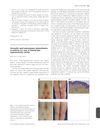
February 2016 in “British Journal of Dermatology” A woman with a drug allergy to anakinra was successfully desensitized, allowing her to continue treatment without allergic reactions.
 11 citations
,
April 2015 in “EBioMedicine”
11 citations
,
April 2015 in “EBioMedicine” JAK inhibitors may help treat Alopecia Areata but need careful monitoring due to side effects.
13 citations
,
November 2007 in “Journal of Structural Biology” Keratin heterodimers are preferred for their specific and structural advantages.
24 citations
,
July 2021 in “Pharmaceutics” Ruxolitinib cream effectively targets and treats inflammatory skin diseases.