Search
for
Sort by
Research
390-420 / 1000+ results
research A Comparative Study between the Efficacy and Safety of 5% Minoxidil Solution and 5% Minoxidil Milky Lotion in the Treatment of Male Androgenic Alopecia.
Both 5% minoxidil solution and milky lotion effectively and safely treat male hair loss, with the lotion being a good alternative for those sensitive to certain ingredients.
research EFFICACY AND SAFETY OF LOW-DOSE ORAL MINOXIDIL IN THE TREATMENT OF ANDROGENETIC ALOPECIA – A LITERATURE REVIEW
Low-dose oral minoxidil is effective and safe for hair loss, but more research is needed.
research Minoxidil
Minoxidil helps lower blood pressure and can also promote hair growth.

research Notes from the Editor Emeritus: Medical therapy for hair loss: what we know and what we need to find out
Minoxidil and finasteride are effective for male hair loss; minoxidil also helps female hair loss, with some treatments needing more research.
research Use of low-dose oral minoxidil for hair growth in transgender and gender non-binary adult patients: a retrospective cohort study

research Prospective cardiovascular evaluation with 24-hour Holter and 24-hour ambulatory blood pressure monitoring in men using 5-mg oral minoxidil for androgenetic alopecia
The conclusion is that 24 weeks of low-dose oral minoxidil is safe for men with hair loss, with no significant changes in heart rate or blood pressure.

research Nanostructured Lipid Carriers Loaded with an Association of Minoxidil and Latanoprost for Targeted Topical Therapy of Alopecia
The new treatment using tiny lipid carriers to deliver minoxidil and latanoprost directly to hair follicles shows promise for alopecia.
research Topical minoxidil sensitization in androgenic alopecia
A small percentage of minoxidil users may develop an allergic skin reaction.
research Topical minoxidil improves the quality of life in female with androgenetic alopecia
Topical minoxidil improves life quality for women with hair loss.
research Diffuse hypertrichosis during treatment with 5% topical minoxidil
5% topical minoxidil can cause severe body hair growth, which disappears after stopping treatment.
research 61720 The effect of sublingual minoxidil on androgenetic alopecia in transgender individuals receiving testosterone for gender-affirmation: A 24-week single-centre double-blinded, randomized, placebo-controlled clinical trial
Sublingual minoxidil significantly improves hair growth in transgender individuals on testosterone therapy.
research Evaluación de la eficacia y seguridad del tratamiento tópico y del tratamiento oral en la alopecia androgenética y hormonal
The treatment effectively promoted hair growth with minimal side effects.
research A study to compare the efficacy and safety of platelet rich plasma and topical minoxidil fortified with finasteride in the treatment of androgenic alopecia in male patients
Both treatments were equally effective in promoting hair growth.
research Effectiveness of the active ingredients (Capixyl, Procapil, and rosemary extract) of the Trust? tonic for the treatment of androgenetic alopecia in comparison to minoxidil
The Trust tonic is more effective than minoxidil for treating hair loss.
research Efficacy of topical 5% minoxidil versus oral 5mg biotin versus topical minoxidil and oral biotin on hair growth velocity in men: a randomized, crossover clinical trial
Using both topical minoxidil and oral biotin together significantly boosts hair growth and density.
research Minoxidil: An Alternative to Hair Replacement Surgery … Or An Adjunct?
research The efficacy of 3% minoxidil vs. combined 3% minoxidil and Korean red ginseng in treating female pattern alopecia
Minoxidil with Korean red ginseng improves hair density and thickness more than minoxidil alone.
research Minoxidil Sulfation in the Hair Follicle
Minoxidil helps hair growth by activating enzymes in hair follicles.
research Low‐dose oral minoxidil in women affected by traction alopecia: real‐world outcomes
research A randomised trial of 5% minoxidil versus combination of 5% minoxidil and oral spironolactone in treatment of female pattern hair loss
Combining minoxidil and spironolactone is more effective for female hair loss, but minoxidil alone is sufficient after 6 months.

research Evaluation of the Efficacy and Safety of Topical Spironolactone versus Topical Minoxidil in the Treatment of Female Pattern Hair Loss: A Comparative, Clinical, and Trichoscopic Study
Topical spironolactone and minoxidil both effectively treat female hair loss, but spironolactone has fewer side effects.
research Uso de minoxidil no tratamento de alopecia de padrão feminino: revisão sistemática
Minoxidil can treat female hair loss but may cause side effects.
research Androgenetic alopecia in men and women
Topical minoxidil helps hair regrowth in over 50% of men and women.

research Topical agents for hair growth promotion: what is out there?
Minoxidil is the only approved cream for hair loss, but new treatments are being looked into.
research Comparing minoxidil-finasteride mixed solution with minoxidil solution alone for male androgenetic alopecia: a systematic review and meta-analysis of randomized controlled trials
The minoxidil-finasteride combination is more effective for hair growth than minoxidil alone.

research Comparative Study That Evaluates the Effectiveness of Intradermotherapy with 0.5% Minoxidil Versus Topical Application of 5% Monoxidil Solution in the Treatment of Androgenetic Alopecia
Intradermotherapy with minoxidil is as effective as topical application for treating hair loss.
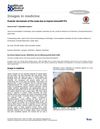
research Pustular dermatosis of the scalp due to topical minoxidil 5%
A woman had an unusual allergic reaction to a hair loss treatment, which cleared up after stopping the treatment and using a different medication.

research Efficacy and safety of low-dose oral minoxidil in the management of androgenetic alopecia
Low-dose oral minoxidil is effective and safe for treating hair loss in men and women.
research Dermoscopic evaluation of the efficacy of combination of topical spironolactone 5% and minoxidil 5% solutions in the treatment of androgenetic alopecia: A cross sectional‐comparative study
Using both 5% spironolactone and 5% minoxidil together is safe and more effective for treating hair loss.