 11 citations
,
September 2012 in “The journal of investigative dermatology/Journal of investigative dermatology”
11 citations
,
September 2012 in “The journal of investigative dermatology/Journal of investigative dermatology” A mutation in the KRT71 gene causes a hair disorder by disrupting hair follicle structure and texture.
 April 2018 in “Journal of Investigative Dermatology”
 The research found that blocking a gene called NEMO can potentially prevent harmful effects of aging at the cellular level.
23 citations
,
October 1996 in “Dermatologic clinics” Genes affect cytokine production, which can influence chronic diseases, and certain interventions may help prevent related molecular damage.
 3 citations
,
February 2025 in “Journal of PHYSIOLOGICAL ANTHROPOLOGY”
3 citations
,
February 2025 in “Journal of PHYSIOLOGICAL ANTHROPOLOGY” Certain genes are linked to skin aging, like wrinkles and pigmentation changes.
 April 2017 in “Journal of Investigative Dermatology”
 Certain mutations in the KLHL24 gene cause a skin disorder by breaking down an important skin protein.
22 citations
,
May 2007 in “Molecular Biotechnology” The scant hair in snthr-1Bao mice is likely caused by a deletion affecting the Plcd1 gene.
 February 2025 in “Archives animal breeding/Archiv für Tierzucht”
 Certain gene combinations improve cashmere quality and production in Liaoning goats.
 56 citations
,
February 2010 in “PLOS ONE”
56 citations
,
February 2010 in “PLOS ONE” Blocking Wnt signaling in young mice causes thymus shrinkage and cell loss, but recovery is possible when the block is removed.
November 2024 in “Biochemical and Biophysical Research Communications” Abnormal gene expression related to keratin causes hair loss in certain mice.
7 citations
,
July 2019 in “Animals” The KRTAP21-1 gene affects wool yield and can help improve wool production.
 April 2015 in “Experimental Dermatology”
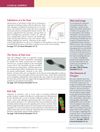
 Melanoma risk tools need improvement, certain gene mutations cause skin diseases and could be treated by targeting those mutations, skin wrinkling may relate to lung aging due to genetic factors, and oxidative stress affects hair loss but can be reduced in low oxygen.
 July 2024 in “bioRxiv (Cold Spring Harbor Laboratory)”
 Hair loss in certain mice is linked to changes in keratin-related genes.
May 2022 in “The journal of immunology/The Journal of immunology” FOXN1 is crucial for thymus development and immune response in Xenopus laevis.
8 citations
,
January 2015 in “Genetics and Molecular Research” Certain gene variations increase the risk of alopecia areata in Koreans.

Not having the gene PLAAT3 leads to fat loss, high insulin resistance, and abnormal fat levels in the blood due to a disruption in fat cell development and function.
 April 2023 in “Research Square (Research Square)”
 A specific RNA helps increase the growth of skin cells in Liaoning cashmere goats by working with a protein to boost a growth-related gene.
24 citations
,
October 2019 in “Genes” A new sheep gene, KRTAP36-1, may help breed sheep with better wool by reducing prickle factor.
3 citations
,
January 2022 in “Burns & Trauma” CTHRC1 helps sweat glands recover by rebuilding nearby blood vessels.
 19 citations
,
August 1999 in “European journal of endocrinology”
19 citations
,
August 1999 in “European journal of endocrinology” The study concluded that testing hormone levels after stimulation is not reliable for identifying carriers of 21-hydroxylase deficiency; genetic testing is necessary.
 16 citations
,
February 2018 in “BMC Genomics”
16 citations
,
February 2018 in “BMC Genomics” Certain genetic markers linked to reproductive potential were identified by their impact on a protein's ability to bind to genes.
234 citations
,
November 2009 in “American journal of human genetics” Common variants in the Trichohyalin gene are linked to straight hair in Europeans.
 August 2016 in “Journal of Investigative Dermatology”
 Researchers found a new genetic mutation linked to a hair condition in a Japanese boy.
1 citations
,
February 2025 in “Journal of Dairy Science” The SLICK1 allele in Holstein heifers affects hair and immune traits without altering prolactin signaling.
A KRT32 gene variant causes loose anagen hair syndrome.
 26 citations
,
April 2019 in “Genes”
26 citations
,
April 2019 in “Genes” lncRNA XLOC_008679 and gene KRT35 affect cashmere fineness in goats.
 3 citations
,
March 2014 in “Journal of Industrial Microbiology & Biotechnology”
3 citations
,
March 2014 in “Journal of Industrial Microbiology & Biotechnology” Scientists found a new gene in a bacterium that can modify an immunosuppressant drug, potentially helping to treat hair loss.
September 2025 in “Indian Journal of Dermatology” A Turkish woman has a hair condition caused by a LIPH gene mutation.
July 2007 in “Cancer biology & therapy” Removing a key gene in mice leads to premature aging and loss of stem cells.
 May 2025 in “Egyptian Journal of Dermatology and Venerology”
 Certain gene changes and hormone levels are linked to female hair loss.