Search
for
Sort by
Research
870-900 / 1000+ results 
research Controversy on the role of iron and a clinical trial with intermittent iron and nutritional supplements in hair loss management
Intermittent iron and nutritional supplements can help reduce hair loss.

research All sites but skin cancer incidences analyzed worldwide by sex, age, and skin type over time (1955-2007), advancing age, and UVB dose reveals important carcinogenic drivers
Cancer rates are increasing in developed countries, with estrogen, aging, low vitamin D3, and HPV infection as common causes.

research The pathogenesis of alopecia areata
Alopecia areata is an autoimmune disease affecting hair follicles and may harm heart health.
research Alopecias
Chronic kidney disease can cause hair loss, which may be related to zinc deficiency or certain medications, and sometimes hair grows back when the underlying issue is treated.
research Hair: A Review of Prominent Scalp Hair Changes throughout a Females’ Life
Women's hair gets thinner and grayer as they age, with treatments available for hair loss and graying.
research Therapies
The document concludes that low-dose acne treatment is most suitable for moderate acne, with high patient satisfaction and low relapse rates.

research Abstracts from the 2009 Annual Meeting of the Society for Pediatric Dermatology
UVB is good for a skin condition in Asian kids, a lotion works for head lice, a drug helps with a skin blistering disorder, a foam reduces itchiness in skin inflammation, birthmarks can be more widespread, and criteria for a neurocutaneous disorder were agreed upon.

research Obstetric Dermatology
The document concludes that managing skin conditions during pregnancy is important and requires specialized care.
research Epidemiology and Treatment of Male Androgenetic Alopecia
Male Androgenetic Alopecia, a common hair loss in men, can be slowed and partially restored with treatments like minoxidil and finasteride, or hair transplantation. Serenoa repens may be an alternative treatment. More research is needed for new treatments.

research Investigation of optimum transplant and extraction density based on the data from the donor area of Chinese androgenetic alopecia patients: a multicenter, retrospective study
Optimal transplant density for Chinese male hair loss patients is 35-50 hair/cm², with minimum 106.88 hair/cm² left in donor area for esthetic satisfaction.
research Post-Finasteride Syndrome – When will we Get the Courage to Fight the Dictating Pharma Industry – Despite Awareness of “Sexual, Neurological and Metabolic Side Effects in Young Men for Over a Decade”
Finasteride, a drug used for certain conditions, can cause serious side effects like sexual dysfunction, suicidal thoughts, and increased diabetes risk, and there's a need for more awareness and research about these effects.

research Wound Healing: A Cellular Perspective
The document concludes that better targeted treatments are needed for wound healing, and single-cell technologies may improve cell-based therapies.
research Obesity and the skin: Skin physiology and skin manifestations of obesity
Obesity affects skin health, causing conditions like acanthosis nigricans and may require different treatment approaches.

research Skin melanocytes: biology and development
The paper concludes that understanding melanocyte development can help in insights into skin diseases and melanoma diversity.

research Alopecia areata update
Half of people with Alopecia Areata may see hair regrowth within a year without treatment, but recovery is unpredictable.

research The human tri-peptide GHK and tissue remodeling
The peptide GHK-Cu helps heal and remodel tissue, improves skin and hair health, and has potential for treating age-related inflammatory diseases.
research Light scattering from human hair fibers
Researchers developed a new model for more realistic computer graphics rendering of hair by considering how light scatters on hair fibers.

research Liposomes in dermatology today
Liposomes improve drug delivery and reduce skin irritation in dermatology.

research Dermal Adipocyte Lipolysis and Myofibroblast Conversion Are Required for Efficient Skin Repair
Fat cells in the skin help start healing and form important repair cells after injury.
research Smoking and the skin
Smoking harms the skin, causing early aging and increasing cancer risk, but stopping smoking can improve skin health.
research Folliculitis decalvans
Folliculitis decalvans is a rare scalp condition causing scarring hair loss, treated with long-term antibiotics and other medications, but it often comes back and is hard to manage.
research A pilot study of ICG laser therapy of acne vulgaris: Photodynamic and photothermolysis treatment
ICG-enhanced NIR laser therapy may be a promising acne treatment with improvement and no side effects.
research Platelet-Rich Plasma for Androgenetic Alopecia
PRP injections improve hair thickness for baldness.
research Whole-genome sequencing of eight goat populations for the detection of selection signatures underlying production and adaptive traits
Researchers identified genes linked to coat color, body size, cashmere production, and high altitude adaptation in goats.
research Nutritional management in women with polycystic ovary syndrome: A review study
Eating fewer calories, less sugar and refined carbs, and more low-glycemic and omega-3 rich foods can help manage PCOS symptoms.
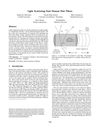
research Light scattering from human hair fibers
Researchers developed a new model for more realistic computer graphics of hair by considering how light scatters on hair fibers.
research Inherited ichthyoses/generalized Mendelian disorders of cornification
Inherited ichthyoses cause widespread skin scaling and thickening due to gene mutations.

research Platelet-Rich Plasma and Micrografts Enriched with Autologous Human Follicle Mesenchymal Stem Cells Improve Hair Re-Growth in Androgenetic Alopecia. Biomolecular Pathway Analysis and Clinical Evaluation
PRP and HF-MSCs treatment improves hair growth, thickness, and density in androgenetic alopecia.

research The Facial Adipose Tissue: A Revision
Different types of facial fat affect aging and treatment outcomes; more research is needed to enhance anti-aging procedures.