 1 citations
,
August 2023 in “The journal of pharmacology and experimental therapeutics/The Journal of pharmacology and experimental therapeutics”
1 citations
,
August 2023 in “The journal of pharmacology and experimental therapeutics/The Journal of pharmacology and experimental therapeutics” Kir6.1 mutations in Cantú syndrome increase channel sensitivity and hyperpolarization, while SUR2B mutations do not.
75 citations
,
September 2016 in “EMBO journal” PRC2 is essential for maintaining intestinal cell balance and aiding regeneration after damage.
24 citations
,
February 2011 in “The American journal of pathology” AIRE protein, defective in APECED patients, is found in skin and hair cells and interacts with cytokeratin 17.
April 2021 in “The journal of investigative dermatology/Journal of investigative dermatology” CTCF protein is essential for skin and hair follicle development in mice.
September 2025 in “Animals” The KRTAP22-2 gene in sheep does not significantly affect wool traits.
35 citations
,
June 2012 in “PloS one” Keratin 15 expression in skin cells is regulated by two mechanisms involving PKC/AP-1 and FOXM1.
 January 1999 in “Journal of the European Academy of Dermatology and Venereology”
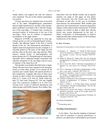
 RAPK is a rare skin disorder with pigmented spots, mainly on hands and feet, starting in youth.
21 citations
,
January 2006 in “Hormone Research in Paediatrics” A mutation in the VDR gene affects hair cycling without needing ligand binding.
17 citations
,
February 2015 in “Experimental Dermatology” Keratins are crucial for hair strength, and mutations in certain keratin genes cause hair disorders.
 169 citations
,
May 2006 in “Genes & Development”
169 citations
,
May 2006 in “Genes & Development” Keratin 17 is crucial for normal hair growth by regulating hair cycle transitions with TNFα.
January 2015 in “DukeSpace (Duke University)” Transferrin receptor 1 is essential for normal function in the intestines, pancreas, and skin.
 30 citations
,
December 2011 in “Journal of biological chemistry/The Journal of biological chemistry”
30 citations
,
December 2011 in “Journal of biological chemistry/The Journal of biological chemistry” Keratin 17 is modified by RSK1 in response to growth and stress, affecting skin growth and stress response.
 September 2016 in “Journal of Dermatological Science”
 A specific mutation known for causing cancer is also found to cause a skin condition in a young girl.
 April 2023 in “Journal of Investigative Dermatology”
 Blocking casein kinase 1 in skin cells can help melanocyte precursors move better, potentially helping with conditions like vitiligo or gray hair.
37 citations
,
August 2011 in “Journal of Bone and Mineral Research” A girl had rickets due to a gene mutation affecting vitamin D response.
79 citations
,
February 2009 in “Human Genetics” 37 citations
,
June 2004 in “Human molecular genetics online/Human molecular genetics” The HCR gene contributes to psoriasis risk.
40 citations
,
September 2010 in “Journal of Biological Chemistry” Keratin K80 is an ancient protein found in various tissues, important for cell structure and tissue differentiation.
March 2026 in “Journal of Investigative Dermatology”  April 2016 in “The journal of investigative dermatology/Journal of investigative dermatology”
 RPGRIP1L helps skin cells stick together by blocking PKCβII, which can prevent skin blistering like in pemphigus.
46 citations
,
May 1995 in “Proceedings of the National Academy of Sciences” A specific gene region can control targeted and responsive gene expression in mice, useful for skin disorder treatments.
 1 citations
,
April 2018 in “Journal of Investigative Dermatology”
1 citations
,
April 2018 in “Journal of Investigative Dermatology” PRC1 is essential for proper skin development and stem cell formation by controlling gene activity.
34 citations
,
September 2010 in “Clinical and Experimental Dermatology” A new gene mutation linked to KID syndrome was found, expanding genetic knowledge.
31 citations
,
April 2004 in “Journal of Investigative Dermatology” A new mouse gene, Keratin 17n, is mainly found in nail tissue and may explain why mice without Keratin 17 don't have nail issues.
29 citations
,
February 2001 in “Proceedings of the National Academy of Sciences” A specific DNA region controls skin cell gene expression by working with certain proteins.
98 citations
,
December 2015 in “The Journal of Cell Biology” Keratin is crucial for skin barrier formation and affects mitochondrial function.
 14 citations
,
October 2015 in “PLoS ONE”
14 citations
,
October 2015 in “PLoS ONE” Keratin 14 is uniquely found in a specific group of placental cells.
 1 citations
,
March 2023 in “Frontiers in Cardiovascular Medicine”
1 citations
,
March 2023 in “Frontiers in Cardiovascular Medicine” A specific gene variant is linked to heart disease, increased heart muscle, curly hair, and thick skin on palms and soles.
8 citations
,
June 2001 in “Journal of Biological Chemistry” A truncated protein linked to breast cancer may change cell adhesion.
29 citations
,
June 2015 in “Kidney International” Disrupting the Flcn gene in mice causes early kidney cysts and tumors, which can be treated with rapamycin.