1 citations
,
May 2004 in “Biochemical and Biophysical Research Communications” Two new gene clusters important for hair formation were found on human chromosome 11.
27 citations
,
April 2004 in “Biochemical and Biophysical Research Communications” Two new gene clusters important for hair formation were found on human chromosome 11.
17 citations
,
June 2003 in “The journal of investigative dermatology. Symposium proceedings/The Journal of investigative dermatology symposium proceedings” Mutations in hKAP1 genes may cause hereditary hair disorders.
 2 citations
,
January 2017 in “Folia biologica”
2 citations
,
January 2017 in “Folia biologica” The KRTAP7-1 gene is very similar across different cattle and yak breeds and likely plays a role in hair strength and shape.
 February 2020 in “Definitions”
 KRT72 gene helps form hair.
24 citations
,
February 2002 in “The journal of investigative dermatology/Journal of investigative dermatology” Two new proteins, hKAP1.6 and hKAP1.7, are found in the hair follicle cortex.
 February 2020 in “Definitions”
 Mutations in the KRT16 gene can cause skin and nail disorders.
31 citations
,
March 2016 in “Journal of Investigative Dermatology” AKR1B10 enzyme may cause keloid scars and could be a treatment target.
44 citations
,
August 1990 in “PubMed” Keratins K1 and K10 are found in the inner root sheath and cuticle of human hair follicles.
 62 citations
,
January 2004 in “The journal of investigative dermatology/Journal of investigative dermatology”
62 citations
,
January 2004 in “The journal of investigative dermatology/Journal of investigative dermatology” A second domain of high sulfur KAP genes on chromosome 21q23 is crucial for hair structure.
2 citations
,
May 2019 in “Small ruminant research” Mutations in specific llama genes may affect fiber quality for textiles.
 March 2023 in “JAAD case reports”
 A new genetic change in the keratin 10 gene caused a skin condition called ichthyosis hystrix in a father and his daughter.
119 citations
,
August 2008 in “BMC Evolutionary Biology” KRTAP genes evolved early in mammals, leading to diverse hair traits.
43 citations
,
October 2006 in “Journal of Cell Science” Keratin 10 end domains may increase skin cancer risk by reducing cell death.
3 citations
,
August 2018 in “Journal of Structural Biology” KAP8.1 protein is crucial for hair structure and interacts with keratin 85.
 1 citations
,
December 2019 in “JURNAL BIOSAINS”
1 citations
,
December 2019 in “JURNAL BIOSAINS” Krokot extract hair tonic is safe and effective for hair growth.
10 citations
,
January 2010 in “International journal of trichology” Keratin-associated proteins are part of the developing hair fiber cuticle.
26 citations
,
March 1995 in “Differentiation” A rabbit gene important for hair development was identified and detailed.
6 citations
,
April 2005 in “Journal of dermatological science” The study found nine new hair protein genes in human hair follicles.
226 citations
,
January 2006 in “International review of cytology” Keratin-associated proteins are crucial for hair strength and structure.
 November 2025 in “Cancer Management and Research”
 Targeting Keratin 17 may help overcome cancer therapy resistance.
25 citations
,
September 2014 in “SpringerPlus” Sheep have a unique gene, KAP8-2, that humans don't have, which may affect wool properties.
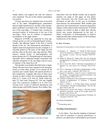 January 1999 in “Journal of the European Academy of Dermatology and Venereology”
 RAPK is a rare skin disorder with pigmented spots, mainly on hands and feet, starting in youth.
8 citations
,
March 2004 in “Mammalian genome” KAP genes are crucial for hair development and show both shared and unique traits in humans, chimpanzees, and baboons.
51 citations
,
September 2012 in “Gene” The research identified a gene in sheep important for wool quality, which could help improve wool traits.
July 2017 in “Cancer Research” Krt15+ cells in mice can resist radiation, regenerate tissue, and start tumors, suggesting new cancer treatment targets.
 October 2025 in “International Journal of Molecular Sciences”
 Early intervention in patch-type alopecia may prevent progression to more severe forms by targeting immune pathways and preserving keratin.
July 2025 in “Journal of Investigative Dermatology” TRIV-509 quickly improves skin barrier and cell health in atopic dermatitis.
 June 2024 in “British Journal of Dermatology”
 KRT14 gene variants cause dermatopathia pigmentosa reticularis, affecting nails, teeth, and hair.
62 citations
,
December 2007 in “Journal of Cellular and Molecular Medicine” Kremen is crucial for proper development and preventing tumors by regulating Wnt signaling.