6 citations
,
April 2005 in “Journal of dermatological science” The study found nine new hair protein genes in human hair follicles.
50 citations
,
July 2008 in “British Journal of Dermatology” 26 citations
,
March 1995 in “Differentiation” A rabbit gene important for hair development was identified and detailed.
32 citations
,
January 2020 in “Journal of Molecular Histology” K31 can identify clear secretory cells in human sweat glands.
5 citations
,
June 2008 in “British Journal of Dermatology” 93 citations
,
July 2006 in “Journal of Investigative Dermatology” K25, K27, and K28 are found in all inner root sheath layers of hair, while K26 is only in the cuticle.
 98 citations
,
June 2001 in “Journal of biological chemistry/The Journal of biological chemistry”
98 citations
,
June 2001 in “Journal of biological chemistry/The Journal of biological chemistry” A cluster of sulfur-rich hair protein genes was found on chromosome 17.
The document's conclusion cannot be provided because the document is not accessible or understandable.
 1 citations
,
December 2019 in “JURNAL BIOSAINS”
1 citations
,
December 2019 in “JURNAL BIOSAINS” Krokot extract hair tonic is safe and effective for hair growth.
33 citations
,
May 2018 in “Stem Cell Reports” Krt15+ cells in the mouse intestine resist radiation and can start tumors.
 April 2023 in “Journal of Investigative Dermatology”
 Krox20 (Egr2) is important for the function of epithelial stem cells.
 July 2024 in “British journal of dermatology/British journal of dermatology, Supplement”
 A variant in the KRT31 gene causes a rare hereditary hair disorder called monilethrix.
April 2021 in “Cermin Dunia Kedokteran” Two siblings with tinea capitis improved after treatment with ketoconazole.
 2 citations
,
May 2023 in “Cancer medicine”
2 citations
,
May 2023 in “Cancer medicine” KRT80 may worsen cancer by increasing growth and spread, but its full effects on treatment and outcomes need more research.
December 2025 in “Zenodo (CERN European Organization for Nuclear Research)” December 2025 in “Zenodo (CERN European Organization for Nuclear Research)” 46 citations
,
December 1998 in “Journal of Biological Chemistry” Keratin 19 forms less stable and shorter filaments than keratin 14, giving unique traits to certain skin cells.
July 2024 in “Journal of Investigative Dermatology” ATR12-351 ointment safely delivers LEKTI protein to the skin, reducing enzyme activity in Netherton syndrome.
22 citations
,
August 1999 in “Mechanisms of Development” Pmg-1 and Pmg-2 are new genes important for skin and mammary gland development.
 1 citations
,
January 2023 in “Biochemical and biophysical research communications”
1 citations
,
January 2023 in “Biochemical and biophysical research communications” Keratin 79 is linked to liver damage and may help diagnose liver diseases.
January 2025 in “Kuwait Journal of Science” KRT71 gene variants may influence camel hair shape but don't fully explain it.
 45 citations
,
January 2010 in “Journal of Veterinary Medical Science”
45 citations
,
January 2010 in “Journal of Veterinary Medical Science” A gene mutation causes curly hair and hair loss in rats.
10 citations
,
January 2010 in “International journal of trichology” Keratin-associated proteins are part of the developing hair fiber cuticle.
 3 citations
,
June 2022 in “European journal of human genetics”
3 citations
,
June 2022 in “European journal of human genetics” A new type of pachyonychia congenita linked to a specific keratin gene mutation was found in two Pakistani families.
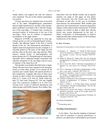 January 1999 in “Journal of the European Academy of Dermatology and Venereology”
 RAPK is a rare skin disorder with pigmented spots, mainly on hands and feet, starting in youth.
 3 citations
,
January 2023 in “American journal of physiology. Cell physiology”
3 citations
,
January 2023 in “American journal of physiology. Cell physiology” Inward rectifier potassium channels are important in many body functions and diseases, and could be potential drug targets.
27 citations
,
November 2007 in “Genomics” Mutations in specific keratin genes cause improper hair structure in mice due to faulty keratin protein assembly.
 3 citations
,
January 2015 in “Sen i Gakkaishi”
3 citations
,
January 2015 in “Sen i Gakkaishi” The new keratin film without KAPs stains better and could help study keratin functions.
8 citations
,
March 2004 in “Mammalian genome” KAP genes are crucial for hair development and show both shared and unique traits in humans, chimpanzees, and baboons.
8 citations
,
June 2016 in “Journal of Investigative Dermatology” A rare genetic deletion in the KRT1 gene causes unique skin symptoms in a family.