28 citations
,
October 2010 in “Targeted Oncology” Trastuzumab may cause tufted hair folliculitis as a side effect.
 18 citations
,
August 2018 in “The FASEB journal”
18 citations
,
August 2018 in “The FASEB journal” Rabbits lacking the Hoxc13 gene show similar hair and skin issues to humans with ECTD-9, making them good for research on this condition.
1 citations
,
January 2015 in “China Animal Husbandry & Veterinary Medicine” Four keratin genes are crucial for hair growth in Xinji fine wool sheep.
 41 citations
,
November 1987 in “British Journal of Dermatology”
41 citations
,
November 1987 in “British Journal of Dermatology” Ketoconazole cured about 70% of cutaneous leishmaniasis cases caused by Leishmania major.
July 2025 in “Journal of Investigative Dermatology” Ritlecitinib reduces alopecia areata symptoms by blocking JAK3/TEC signaling and T-cell activity.
November 2025 in “Pharmacological Research - Natural Products” Kesh Kanti Expert Oil promotes hair growth and protects hair health.
August 2016 in “Journal of Investigative Dermatology” EZH2 is essential for hair growth and skin cell development.
The KRT84 gene is linked to better wool quality in Gansu Alpine Fine-wool sheep.
June 2023 in “Zenodo (CERN European Organization for Nuclear Research)” September 2023 in “Zenodo (CERN European Organization for Nuclear Research)” The document's conclusion cannot be determined because the content is not available.
 10 citations
,
January 2013 in “Journal of skin cancer”
10 citations
,
January 2013 in “Journal of skin cancer” PKC ε increases hair follicle stem cell turnover and may raise skin cancer risk.
 January 2018 in “Modern approaches in drug designing”
 Kunzea oil may help stimulate hair growth.
August 2025 in “Animal nutrition” α-Ketoglutaric acid improves hair growth, rabbit performance, and antioxidant levels.
 1 citations
,
December 2021 in “Tropical Journal of Pharmaceutical Research”
1 citations
,
December 2021 in “Tropical Journal of Pharmaceutical Research” Kanglaite injection with chemotherapy improves treatment and reduces side effects for advanced lung cancer.
 September 2024 in “World Journal of Clinical Oncology”
 Chemotherapy with docetaxel and cisplatin can cause severe low potassium, requiring careful monitoring and treatment.
 5 citations
,
April 2016 in “The American Journal of Dermatopathology”
5 citations
,
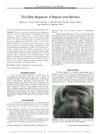
April 2016 in “The American Journal of Dermatopathology” A tick bite caused temporary hair loss in a man, which is a rare condition that usually gets better within 3 months.
 9 citations
,
August 2017 in “Journal of comparative pathology”
9 citations
,
August 2017 in “Journal of comparative pathology” Trichoblastomas in rabbits are linked to uncontrolled embryonic hair growth and have distinct histological features.
27 citations
,
April 2004 in “Biochemical and Biophysical Research Communications” Two new gene clusters important for hair formation were found on human chromosome 11.
4 citations
,
May 2024 in “Genes” KRT81 gene variations in sheep affect wool weight but not fiber length or thickness.
 May 1999 in “Dermatologic Surgery”
 Dr. Zitelli emphasized that "Mohs surgery" should only be called that when one doctor does both the surgery and pathology.
October 2025 in “Phytomedicine” Bazi Bushen capsules reduce skin aging and damage from UV rays.
August 2025 in “Nanomaterials” Tea polyphenol–zinc helps protect the liver and intestines from oxidative stress.
 February 2024 in “Journal of medical science and clinical research”
 Radiotherapy effectively treated a large scalp tumor in an elderly woman, avoiding surgery.
 June 2023 in “British Journal of Dermatology”
 The prototype for analyzing skin aging works technically and clinically.
3 citations
,
March 2023 in “ACTA SCIENTIAE VETERINARIAE” Real-time PCR quickly and accurately detects ringworm in dogs.
January 2016 in “AACE Clinical Case Reports” Treatment restored normal sexual characteristics and blood condition in a patient with testicular cancer.
February 2006 in “Inpharma Weekly” 3 citations
,
March 2022 in “The journal of investigative dermatology/Journal of investigative dermatology” Zebrafish are useful for studying and developing treatments for human skin diseases.
 January 2017 in “Cogent Medicine”
 Extracts improve hair growth in alopecia.