 25 citations
,
July 1994 in “Archives of Dermatology”
25 citations
,
July 1994 in “Archives of Dermatology” A man's skin condition, pemphigus vulgaris, came back after he was treated with interleukin 2 for cancer.
 3 citations
,
July 2020 in “Frontiers in Cell and Developmental Biology”
3 citations
,
July 2020 in “Frontiers in Cell and Developmental Biology” Vitexin Compound 1 may help reduce skin aging caused by UVA light.
 11 citations
,
September 2019 in “Dermatologic Surgery”
11 citations
,
September 2019 in “Dermatologic Surgery” A substance called Vascular Endothelial Growth Factor can protect certain hair follicle stem cells from damage caused by androgens, suggesting a new possible treatment for hair loss.

Integrin alphavbeta6 is important for wound healing and hair growth, and blocking it may improve these processes.
2 citations
,
February 1990 in “PubMed” DDR-II hair follicle cells don't respond to 1, 25-dihydroxyvitamin D3, aiding diagnosis.
2 citations
,
January 2025 in “Journal of Clinical Immunology”  April 2023 in “The journal of investigative dermatology/Journal of investigative dermatology”
 Psoriasis patients on biologic therapy have a weaker immune response to COVID-19 vaccination than healthy people.
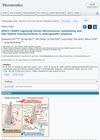 May 2026 in “Theranostics”
 Targeting DKK3–CKAP4 can help reverse hair loss in androgenetic alopecia.
 July 2024 in “Egyptian Journal of Medical Human Genetics”
 These gene variations are not linked to alopecia areata in Egyptians.
36 citations
,
February 2017 in “Journal of Cellular and Molecular Medicine” VEGF165 helps hair follicle stem cells become blood vessel cells, aiding new blood vessel growth.
 August 2023 in “International Journal of Molecular Sciences”
 The human scalp hair bulb contains different types of melanocytes with varying abilities to produce melanin.
7 citations
,
October 2018 in “Journal of Mind and Medical Sciences” Type 3C diabetes is a distinct condition needing more research and treatment strategies.
 2 citations
,
July 2009 in “Circulation Research”
2 citations
,
July 2009 in “Circulation Research” CD133+ progenitor cells have therapeutic potential for diabetic ulcers and heart attack recovery, with manageable risks.
 13 citations
,
October 2020 in “Journal of Neural Transmission”
13 citations
,
October 2020 in “Journal of Neural Transmission” CD34-positive cells help repair and form new blood vessels in salivary glands after radiation.
4 citations
,
August 2023 in “Biomedicine & Pharmacotherapy” Ivacaftor can protect against noise-induced hearing loss by reducing oxidative stress.
 11 citations
,
November 2015 in “Experimental Dermatology”
11 citations
,
November 2015 in “Experimental Dermatology” The conclusion is that the IL-6/STAT3 activation affects p63 expression in healing wounds, which may help in hair follicle regeneration.
 April 2020 in “Trends in Immunotherapy”
 Combining triamcinolone acetonide and immunotherapy can help regrow hair in some alopecia totalis patients.
 8 citations
,
May 2017 in “Singapore Medical Journal”
8 citations
,
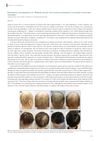
May 2017 in “Singapore Medical Journal” A Korean woman with complete hair loss regrew her hair after taking tofacitinib, with no side effects.
 4 citations
,
May 2021 in “The American Journal of Surgical Pathology”
4 citations
,
May 2021 in “The American Journal of Surgical Pathology” Cutaneous Lymphadenoma is a unique skin tumor with specific protein markers and common gene mutations that may cause continuous cell growth.
1 citations
,
October 2019 Neutrophils are important for causing chronic itch in atopic dermatitis, and blocking the CXCR3 receptor may reduce this itch.
11 citations
,
August 1987 in “Archives of Dermatology” Langerhans' cells are not involved in hair depigmentation in these mice.
Deleting the MAD2L1 gene is tolerated in certain mouse cancer models.
71 citations
,
February 1992 in “Journal of Cutaneous Pathology” Antibodies help identify glycoproteins in normal skin and tumor cells.
February 2026 in “The Journal of Dermatology” Ritlecitinib effectively regrows scalp, eyebrow, and eyelash hair in Asians with alopecia areata and is safe.
2 citations
,
March 2025 in “International Journal of Dermatology” Tralokinumab successfully treated alopecia areata in a patient with atopic dermatitis.
380 citations
,
March 2000 in “Proceedings of the National Academy of Sciences” Overexpressing GLI-1 in mice skin can cause tumors like human basal cell carcinomas.
 July 2024 in “Medical alphabet”
 JAK inhibitors like tofacitinib may effectively treat alopecia in children without major side effects.
105 citations
,
December 1998 in “Archives of Dermatological Research” Dermal papilla cells mainly drive blood vessel growth in hair follicles.
 2 citations
,
January 2022 in “BioMed Research International”
2 citations
,
January 2022 in “BioMed Research International” LED light therapy at 863 nm wavelength can slow down skin tumor growth and reduce inflammation in mice.
 April 2017 in “Journal of Investigative Dermatology”
 PRC1 influences skin stem cell development by both turning genes on and off, affecting hair growth and skin cell types.