 69 citations
,
April 2017 in “BMJ open”
69 citations
,
April 2017 in “BMJ open” Many people with alopecia experience high levels of social anxiety, anxiety, and depression, and while wigs can boost confidence, they may also cause anxiety.
 12 citations
,
November 2016 in “International Journal of Women's Dermatology”
12 citations
,
November 2016 in “International Journal of Women's Dermatology” Various hair camouflage options help people with hair loss improve appearance.
 15 citations
,
February 2017 in “International Journal of Women's Dermatology”
15 citations
,
February 2017 in “International Journal of Women's Dermatology” Hair camouflage offers various options for hair loss, helping reduce psychological impact.

The guide suggests using keratin fibers and wigs to help hair look thicker or hide hair loss.
36 citations
,
August 2012 in “Dermatology online journal” Using wigs, hairpieces, and sprays can help people with hair loss feel better about themselves.
 October 2023 in “International journal of women’s dermatology”
 Hair camouflage methods like wigs and extensions can help Black women with alopecia feel better but may also damage hair if not used carefully.
 December 2025 in “IP Indian Journal of Clinical and Experimental Dermatology”
 Androgenetic alopecia treatments are becoming more personalized and include new therapies like topical antiandrogens and regenerative strategies.
 7 citations
,
January 2018 in “International Journal of Trichology”
7 citations
,
January 2018 in “International Journal of Trichology” Wearing a wig caused a skin condition to develop in a woman with hair loss.
 May 2023 in “Elsevier eBooks”
 Wigs and hair prosthetics boost confidence and quality of life for people with hair loss.
 1 citations
,
April 2016 in “Actas Dermo-Sifiliográficas”
1 citations
,
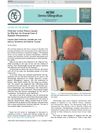
April 2016 in “Actas Dermo-Sifiliográficas” Wearing a wig caused a woman's skin condition to worsen due to pressure from the wig's fasteners.
January 2023 in “Springer eBooks” July 2019 in “Dermatologic Surgery” 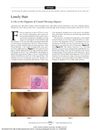 63 citations
,
October 2011 in “Archives of Dermatology”
63 citations
,
October 2011 in “Archives of Dermatology” Isolated long hairs at the original hairline can help diagnose Frontal Fibrosing Alopecia.
 April 2011 in “ISRN Dermatology (Print)”
 The wigs made from human hair and polypropylene were mostly well-tolerated and durable in rabbits, suggesting they could be a new option for people with extensive hair loss.
 15 citations
,
March 2014 in “Body Image”
15 citations
,
March 2014 in “Body Image” Wig users with alopecia do a lot of emotional and practical work to make their wigs look natural and manage how others see them.
 1 citations
,
September 2021 in “CRC Press eBooks”
1 citations
,
September 2021 in “CRC Press eBooks” Frontal Fibrosing Alopecia is a hair loss condition mainly affecting postmenopausal women, with unclear causes and various clinical patterns.
 5 citations
,
August 2013 in “Facial plastic surgery clinics of North America”
5 citations
,
August 2013 in “Facial plastic surgery clinics of North America” Use a frontal forelock pattern to manage advanced hair loss.
 14 citations
,
August 2012 in “Clinics in Dermatology”
14 citations
,
August 2012 in “Clinics in Dermatology” In the Middle Ages, European noblewomen intentionally removed forehead hair to be fashionable, showing how beauty standards can affect the perception of hair loss.
August 2025 in “Journal of Cosmetic Dermatology” Hairline transplants improve forehead appearance and satisfaction in East Asian women.
A wavy two-layer closure in hair transplants makes scars nearly invisible for most patients.
January 2016 in “Indian dermatology online journal” Frontal fibrosing alopecia causes hair loss at the front hairline, and no effective treatment exists.
January 2006 in “Journal of Clinical Dermatology”  September 2025 in “Dermatology Online Journal”
 Biopsy is crucial for diagnosing unusual hair loss causes like lymphoma.
January 2024 in “Updates in clinical dermatology” Frontal fibrosing alopecia is a scarring hair loss condition mainly affecting postmenopausal women, with unclear causes.
 8 citations
,
January 2007 in “International Society of Hair Restoration Surgery”
8 citations
,
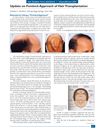
January 2007 in “International Society of Hair Restoration Surgery” The forelock approach in hair transplants improves natural appearance by focusing hair density in one area.
 6 citations
,
November 2018 in “Dermatologic Therapy”
6 citations
,
November 2018 in “Dermatologic Therapy” Wearing a ponytail often is linked to hair loss at the front of the scalp in Chinese women.
Low-level laser therapy reduces symptoms and inflammation in frontal fibrosing alopecia.
 August 2015 in “Dermatología Argentina”
 Frontal fibrosing alopecia causes hairline recession and eyebrow loss in postmenopausal women.
 2 citations
,
January 2014 in “Archives of Aesthetic Plastic Surgery”
2 citations
,
January 2014 in “Archives of Aesthetic Plastic Surgery” The procedure effectively created natural-looking hairlines and improved facial balance in female patients.
January 2024 in “Revista Dermatológica Centro Uraga” Frontal fibrosing alopecia is increasingly affecting men, causing hair loss around the hairline and possibly other areas.