Search
for
Sort by
Research
180-210 / 1000+ results
research Nail involvement in frontal fibrosing alopecia
Frontal fibrosing alopecia may affect nails and could be a type of lichen planus, treatable with certain medications.

research 25 Endoscopic Forehead and Brow Lift
EFBL offers hidden incisions, faster recovery, and fewer risks, but may raise hairline and cost more.
research The Scalp Lift, an Adjunct to Hair Transplantation in Androgenetic Alopecia
research ALOPECIA FRONTAL FIBROSANTE: UMA REVISÃO DE LITERATURA
Early diagnosis of Alopecia Frontal Fibrosante is crucial for effective treatment.
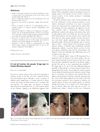
research It's not all traction: the pseudo ‘fringe sign’ in frontal fibrosing alopecia
The pseudo 'fringe sign' can also appear in frontal fibrosing alopecia, not just in traction alopecia, showing that this condition may be more common than thought.
research Hair transplanting: an important but often forgotten treatment for female pattern hair loss
Hair transplanting is a useful, often overlooked treatment for female pattern hair loss.

research Diffuse hair loss in a patient with systemic lupus erythematosus
A woman with lupus experienced hair regrowth after treatment, but hair transplantation is not advised for her condition.
research Hair extensions: a concerning cause of hair disorders
Hair extensions can cause hair loss and scalp damage, and these problems might be more common than people realize.

research Frontal Fibrosing Alopecia: A prospective observational study
Cosmetic products or emotional factors might contribute to Frontal Fibrosing Alopecia, and trichoscopy is useful for diagnosis.
research Frontal fibrosing alopecia in Asians: A retrospective clinical study

research Clinical Update on Research Studies Performed at the WHS/ISHRS Live Surgery Workshop
Splitting single-hair grafts seems to improve perceived hair fullness without affecting growth, intact grafts grow slightly better, and the Mantis microscope is clear but slower without reducing damage to grafts.
research Natural Transplants, Hair Transplantation Clinic. Hair Transplant Surgery near Riviera Beach Call (844) 327-4249.
research Hair’s the Question“?”: Female Pattern Hair Loss (FPHL)
Early diagnosis and personalized treatment are crucial for managing Female Pattern Hair Loss in women.
research Novel small‐insertion mutation in the LIPH gene in a patient with autosomal recessive woolly hair/hypotrichosis
Researchers found a new mutation in the LIPH gene of a woman with a rare hair condition.

research Donor Site Assessment for Female Hairline Restoration in Southeast Asians
The study found that most donor sites are good for hairline restoration in Southeast Asian women, but hair characteristics should match for a natural look, and aging can reduce hair density and diameter.
research Dilemmas in Hair Restoration
research Dilemmas in Hair Restoration
research Dilemmas in Hair Restoration
research Dilemmas in Hair Restoration
research Frontal Fibrosing Alopecia in a Man: Results of Follicular Unit Test Grafting
Hair transplantation may not work for Frontal Fibrosing Alopecia as transplanted hair was lost when the disease came back.
research Long-hair FUE: advantages and disadvantages of the most recent technique in hair transplantation
Long-hair FUE allows hair transplants without shaving but is more complex and time-consuming.
research Cyberspace Chat
research Camouflage technique for alopecia areata: What is a patient to do?
The document suggests using hairpieces, wigs, and safe cosmetic techniques to hide hair loss from alopecia areata.
research A young woman with frontal firbosing alopecia: a case report and review of therapeutic options
FFA in young women is often missed, and no single treatment works best.
research Female Hair Restoration
Hair transplantation is the only permanent solution for female pattern hair loss and can greatly improve quality of life with careful planning.

research A different hair restoration meeting: The WAHRS Live Surgery Workshop and Symposium
The WAHRS Live Surgery Workshop and Symposium was a unique hair restoration event.
research Hyperpigmented Upper Eyelid: A Clue to the Diagnosis of Facial Lichen Planus Pigmentosus in a Patient with Frontal Fibrosing Alopecia
Upper eyelid hyperpigmentation can help diagnose facial lichen planus pigmentosus in patients with frontal fibrosing alopecia.

research Hair Transplantation into the Nape of the Neck
Hair transplant surgery can successfully treat hair loss at the back of the neck.
research “Cloned” Hairlines
Cutting and implanting hair follicles can create finer, more natural-looking hairlines, with about half of the implanted hairs growing back.