78 citations
,
October 2007 in “Journal of Investigative Dermatology” Delta1 is crucial for controlling skin cell growth and preventing tumors in mice.
 75 citations
,
August 2008 in “PLOS ONE”
75 citations
,
August 2008 in “PLOS ONE” Wnt3a protein, when packed in liposomal vesicles, can stimulate hair growth and could potentially treat conditions like hair loss.
56 citations
,
February 2012 in “Developmental biology” Sostdc1 controls the size and number of hair and mammary gland structures.
44 citations
,
July 2020 in “Stem Cell Research & Therapy” Epidermal stem cells show promise for skin repair and regeneration.
41 citations
,
October 2001 in “Experimental Dermatology” The nude gene is important for skin and hair development.
33 citations
,
August 2008 in “American Journal Of Pathology” Hedgehog signaling is essential for normal sebaceous gland development and affects keratin 6a expression.
17 citations
,
May 2013 in “Journal of Investigative Dermatology” Mutations in β1 integrins cause embryonic death but have milder effects on skin.
 10 citations
,
September 2022 in “Advanced Healthcare Materials”
10 citations
,
September 2022 in “Advanced Healthcare Materials” Current methods can't fully recreate skin and its features, and more research is needed for clinical use.
7 citations
,
October 2011 in “BMC Cancer” Overexpression of HDGF in melanocytes does not cause cancer.
5 citations
,
January 2021 in “Frontiers in cell and developmental biology” Skin cysts might help advance stem cell treatments to repair skin.
 1 citations
,
December 2023 in “The journal of investigative dermatology/Journal of investigative dermatology”
1 citations
,
December 2023 in “The journal of investigative dermatology/Journal of investigative dermatology” Keeping β-catenin levels high in mammary cells disrupts their development and branching.
 October 2024 in “Biology”
 Dermal papilla cells can help regrow hair and are promising for hair loss treatments.
 April 2024 in “Journal of translational medicine”
 Melanocytes are important for normal body functions and have potential uses in regenerative medicine and disease treatment.
 7 citations
,
August 2022 in “Experimental dermatology”
7 citations
,
August 2022 in “Experimental dermatology” Blocking YAP/TAZ could be a new way to treat skin cancer.
3 citations
,
September 2021 in “Journal of Clinical Medicine” Epidermal signaling helps regenerate fingertip tissue.
 61 citations
,
October 2013 in “PLoS ONE”
61 citations
,
October 2013 in “PLoS ONE” Boosting Wnt signaling improves skin wound healing.
 51 citations
,
February 2009 in “Journal of dermatological science”
51 citations
,
February 2009 in “Journal of dermatological science” Pitx2 helps outer root sheath cells differentiate but can't start hair growth on its own.
 351 citations
,
February 2010 in “Nature Cell Biology”
351 citations
,
February 2010 in “Nature Cell Biology” Basal cell carcinoma mostly starts from cells in the upper skin layers, not hair follicle stem cells.
 20 citations
,
July 2013 in “PLoS ONE”
20 citations
,
July 2013 in “PLoS ONE” Targeting EGFR may help reduce hair loss from chemotherapy.
 January 2025 in “PLoS ONE”
 Elf5 controls skin cell growth and development, making it a potential target for skin treatments.
21 citations
,
July 2018 in “International Journal of Molecular Sciences” Foxn1 is crucial for skin development and healing, and altering its expression may aid regenerative medicine.
17 citations
,
July 2013 in “Amino Acids” Increased ODC activity leads to skin tumors by recruiting stem cells, not by toxic byproducts.
 12 citations
,
January 2009 in “Stembook”
12 citations
,
January 2009 in “Stembook” Improved understanding of stem cell mechanisms can enhance skin tissue engineering.
 30 citations
,
April 2013 in “Journal of Investigative Dermatology”
30 citations
,
April 2013 in “Journal of Investigative Dermatology” Radiation mainly affects keratinocyte stem cells, not melanocyte stem cells, causing hair to gray.
 27 citations
,
June 2023 in “Nature”
27 citations
,
June 2023 in “Nature” Senescent melanocytes can boost hair growth by activating hair stem cells.
 1 citations
,
January 2014 in “Elsevier eBooks”
1 citations
,
January 2014 in “Elsevier eBooks” Melanocytes produce melanin; their defects cause vitiligo and hair graying, with treatments available for vitiligo.
 April 2003 in “Experimental Dermatology”
 The workshop highlighted the genetic links and psychological impacts of hair loss and skin disorders.
 14 citations
,
February 2014 in “Experimental Cell Research”
14 citations
,
February 2014 in “Experimental Cell Research” The conclusion is that teeth, hair, and claws have similar stem cell niches, which are important for growth and repair, and more research is needed on their regulation and potential markers.
 1 citations
,
February 2021 in “Scholars international journal of anatomy and physiology”
1 citations
,
February 2021 in “Scholars international journal of anatomy and physiology” Different forms of FGF5 either promote or inhibit hair growth.
 59 citations
,
April 2016 in “Cell Reports”
59 citations
,
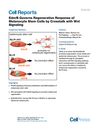
April 2016 in “Cell Reports” EdnrB signaling helps melanocyte stem cells regenerate and could be targeted to treat pigmentation issues.