 April 2023 in “Journal of Investigative Dermatology”
 Cyclosporin A, a drug, reduces TGF-β2 expression in skin cells, potentially causing excessive hair growth through a process involving the calcineurin/NFAT pathway.
 6 citations
,
April 2017 in “Experimental dermatology”
6 citations
,
April 2017 in “Experimental dermatology” CD80CD86 deficiency causes hair loss by disrupting regulatory T cells.
July 2024 in “Journal of Investigative Dermatology” Recombinant human TSG-6 speeds up wound healing in diabetic mice.
 551 citations
,
November 2013 in “Nature”
551 citations
,
November 2013 in “Nature” Certain mature cells in mouse lungs can turn back into stem cells to aid in tissue repair.
36 citations
,
February 2004 in “Veterinary Dermatology” Lymphangiosarcoma was confirmed in cats with specific skin symptoms using a lymphatic marker.
 January 2022 in “Research Square (Research Square)”
 High TSPEAR levels in colorectal cancer predict worse outcomes.
4 citations
,
June 2021 in “Frontiers in Pharmacology” Bone marrow stem cells and their medium help hair regrowth.
 9 citations
,
July 2008 in “Oncology Reports”
9 citations
,
July 2008 in “Oncology Reports” HPV16-transformed cells can change human skin cell properties, aiding tumor growth.
September 2025 in “Journal of Investigative Dermatology” SLC3A2 is crucial for hair follicle stem cell function and hair growth.
 October 2022 in “The American journal of gastroenterology”
 Thymoma-associated multiorgan autoimmunity can cause liver damage and affects multiple organs, with limited treatment options and a generally poor prognosis.
 3 citations
,
March 2020 in “International Journal of Molecular Sciences”
3 citations
,
March 2020 in “International Journal of Molecular Sciences” Thymosin β4 helps increase hair growth in Cashmere goats.
 April 2024 in “The Indonesian Biomedical Journal”
 Melanocyte stem cells from non-affected skin in vitiligo patients can become functional melanocytes for potential therapy.
 16 citations
,
March 2013 in “The Journal of Dermatology”
16 citations
,
March 2013 in “The Journal of Dermatology” Low TRPS1 expression in skin and hair cells is linked to hair problems in Trichorhinophalangeal syndrome.
Low-level laser therapy may help uninfected cells but has different effects on coronavirus-infected cells.
A high fat lard diet may protect against skin fibrosis and affect hair growth.
 September 2022 in “Medical Mycology”
 Three different methods were compared for creating Titan cells, a type of fungus cell. The OZ method made the most cells initially, but the number dropped quickly. The EB method also made a lot of cells, but the number also dropped. The AA method made fewer cells, but the number stayed steady. The methods also affected which genes were active in the cells.
9 citations
,
November 2015 in “Plastic and reconstructive surgery/PSEF CD journals” Gene knockout mice developed scars similar to human hypertrophic scars, useful for studying scar progression.
April 2026 in “Reviews in Medical Virology” Trichodysplasia spinulosa is a rare skin condition linked to weakened immune systems, mostly in organ transplant patients.
23 citations
,
January 2016 in “Frontiers in immunology” Using low-dose IL-2 to increase regulatory T cells might be a safe way to treat type 1 diabetes without severe side effects.
822 citations
,
January 2021 in “Genome biology” scMC effectively separates biological signals from technical noise in single-cell genomics data.
 April 2017 in “Journal of Investigative Dermatology”
 Blood cells turned into stem cells can become skin cells similar to normal ones, potentially helping in skin therapies.
γδTregs may help treat autoimmune diseases like alopecia areata by promoting hair regrowth and reducing immune attacks.
April 2012 in “Cancer Research” Stat3 influences keratinocyte stem cell behavior, affecting differentiation and migration.
 3 citations
,
May 2022 in “Experimental Dermatology”
3 citations
,
May 2022 in “Experimental Dermatology” Misbehaving hair follicle stem cells can cause hair loss and offer new treatment options.
 7 citations
,
June 2010 in “Journal of The American Academy of Dermatology”
7 citations
,
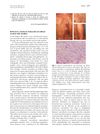
June 2010 in “Journal of The American Academy of Dermatology” Tranilast successfully treated a man's skin sarcoidosis when other treatments failed.
82 citations
,
July 2012 in “Brain pathology” High LGR5 levels in glioblastoma indicate poor prognosis and are essential for cancer stem cell survival.
6 citations
,
February 1997 in “International Journal of Dermatology” Kaposi's sarcoma lesions might originate from benign tissue changes.
19 citations
,
July 1997 in “British Journal of Dermatology” LHTric-1 is a specific antibody useful for studying hair and nail formation.
 May 2025 in “The Journal of Rheumatology”
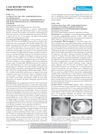
 Trans-esophageal echocardiography is crucial for accurately diagnosing heart issues in lupus patients.
48 citations
,
March 2020 in “Stem Cell Research & Therapy” Using a collagen sponge scaffold helps stem cells become more like skin cells.