 February 2022 in “Research Square (Research Square)”
 Key genes influencing sheep hair follicle development were identified, aiding wool breeding and understanding human hair conditions.
 February 2022 in “International Journal of Complementary & Alternative Medicine”
 Good hair and scalp health indicate good overall health.

Wild African goats have genetic adaptations for surviving harsh desert conditions.
 August 2021 in “Josai University Repository of Academia (Josai University)”
 The nanoparticles improved minoxidil's skin absorption, making them promising for skin treatments.
 June 2021 in “Journal of emerging technologies and innovative research”
 Onion and Aloe vera can help protect hair from damage caused by hair dyes.
 April 2021 in “The journal of investigative dermatology/Journal of investigative dermatology”
 Patients using social media have mixed feelings about alopecia treatments, noting hair growth but also frustration with treatment recurrence.
 December 2020 in “Skin appendage disorders”
 A young man with an unusual type of scarring hair loss suggests a possible new variant of a known scalp condition.
 December 2019 in “Ukrainian Journal of Veterinary and Agricultural Sciences”
 Donkey and horse hair have different microscopic structures, which can help tell them apart.
 September 2019 in “University of Huddersfield Repository (University of Huddersfield)”
 Nanoemulsions can effectively deliver antiseptic agents deep into the skin.
 September 2018 in “Cosmetics”
 Inositol and arginine solutions improve hair follicle health and turnover.
 July 2018 in “Elsevier eBooks”
 Lichen Planopilaris is a hair loss condition best treated early with various medications, including hydroxychloroquine, to prevent permanent baldness.
 July 2018 in “Elsevier eBooks”
 Acne keloidalis nuchae is a chronic skin condition more common in African men, causing itchy or painful bumps and can lead to permanent hair loss if not treated early.
 April 2018 in “The journal of investigative dermatology/Journal of investigative dermatology”
 Electrical epilation damages hair follicles and surrounding skin, likely preventing hair regrowth.
 April 2018 in “Journal of Investigative Dermatology”
 A new peptide, FOL-005, may help treat excessive hair growth by reducing a hair growth promoter, FGF7.
 April 2018 in “The journal of investigative dermatology/Journal of investigative dermatology”
 17β-estradiol may help hair growth by increasing cannabinoid receptor type 1.
 April 2018 in “The journal of investigative dermatology/Journal of investigative dermatology”
 Removing Lrig1-positive stem cells in mice causes temporary loss of sebaceous glands.

 January 2018 in “Elsevier eBooks”
 Different nail disorders are treated by targeting their specific causes and using appropriate medications or protective measures.
 January 2018 in “Springer eBooks”
 Different races and genders have unique skin and hair issues, requiring specialized care and more research for effective treatment.
 March 2017 in “InTech eBooks”
 Acne vulgaris is a common skin condition that can cause low self-esteem and depression, and early treatment is important to prevent scarring.
 December 2016 in “John Wiley & Sons, Ltd eBooks”
 The document concludes that proper recognition and treatment of skin appendage disorders are important for management.
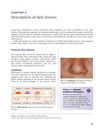
The document explains different types of skin lesions and their characteristics, causes, and related conditions.
 July 2016 in “Indian journal of science and technology”
 Neonate scalp hair is thinner, lacks a medulla, and has smaller follicles compared to adult hair.
 November 2015 in “European journal of dermatology/EJD. European journal of dermatology”
 A 55-year-old woman with several health conditions did not see hair regrowth after a transplant.
 March 2015 in “Zagazig University Medical Journal”
 Damage to hair follicle stem cells may cause permanent hair loss and scarring in PCA.
Skin changes throughout life, from development before birth to aging effects like wrinkles, influenced by both genetics and environment.
 September 2014 in “Aktuelle Dermatologie”
 The symposium concluded that environmental factors significantly contribute to skin aging.
 January 2012 in “Durham e-Theses (Durham University)”
 Keratin 15 affects cell behavior and characteristics in skin cells.
 December 2011 in “Drug Research”
 The document shows the state of pharmaceutical patents as of 1999, focusing on treatments for various diseases.
 July 2011 in “British Journal of Dermatology”
 Dermatologists give better information on pathology forms, hypersensitivity vasculitis is a common skin issue, misdiagnoses can occur, and various skin conditions are linked to loss of elastin or genetic factors.