Liquid nitrogen cryotherapy worked well for many patients with stubborn alopecia areata.
 July 2022 in “Research Square (Research Square)”
 Lower PPARγ levels and specific gene variations are linked to more severe Frontal Fibrosing Alopecia.
 January 2022 in “Dermatology Review”
 Higher IL-31 levels are linked to worse itching in chronic kidney disease patients.
Alopecia Areata has no cure, treatments are limited, and the condition often recurs, but new therapies like JAK inhibitors show promise.
 October 2020 in “Veterinary Dermatology”
 New treatments and diagnostic methods for various animal skin conditions showed promising results.
 May 2018 in “European Journal of Dermatology”
 The first Japanese family with Marie Unna hereditary hypotrichosis showed hair condition improvement in a child and highlighted the risk of misdiagnosis.
 September 2017 in “The journal of investigative dermatology/Journal of investigative dermatology”
 Blocking CCR5 can prevent and improve hair loss in alopecia areata.
 April 2017 in “Our Dermatology Online”
 Using cosmetics made elderly people feel more comfortable and attractive.
 January 2017 in “Postepy Dermatologii I Alergologii”
 The CRH/CRH-R1 system might be involved in causing lichen planus.
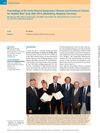 September 2014 in “Aktuelle Dermatologie”
 The symposium concluded that environmental factors significantly contribute to skin aging.
 March 2012 in “Pathy's Principles and Practice of Geriatric Medicine”
 Older adults often have skin problems due to aging, and treating these conditions requires attention to both physical and mental health.
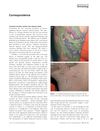 June 2011 in “International Journal of Dermatology”
 A man's red tattoo caused a skin reaction and hair loss in his beard, which improved after treatment.
 June 2008 in “Springer eBooks”
 The document concludes that permanent hair loss conditions are complex, require early specific treatments, and "secondary permanent alopecias" might be a more accurate term than "secondary cicatricial alopecia."
 October 2007 in “Journal of Investigative Dermatology”
 The document suggests a bacteria plays a significant role in acne rosacea and that white hair can regain color after transplant, meriting more research on reversing grey hair.
 July 2020 in “Bioinformatics and Bioengineering”
 Found key genes affecting hair loss, immune response, and skin development; more research needed for better treatments.
 September 1998 in “Journal of The European Academy of Dermatology and Venereology”
 Auto-portraits help evaluate scalp hair.
 29 citations
,
November 2014 in “Experimental Dermatology”
29 citations
,
November 2014 in “Experimental Dermatology” Injecting alpha-melanocyte-stimulating hormone in mice improved skin healing and reduced scarring.
 10 citations
,
November 2015 in “Plant Foods for Human Nutrition”
10 citations
,
November 2015 in “Plant Foods for Human Nutrition” Hibiscus petals helped control blood sugar and improve liver and pancreas health in diabetic rats.
 3 citations
,
January 2015 in “Nasza Dermatologia Online”
3 citations
,
January 2015 in “Nasza Dermatologia Online” Some treatments for autoimmune hair loss work, but JAK inhibitors like tofacitinib are promising for regrowth.
 370 citations
,
September 1999 in “The New England Journal of Medicine”
370 citations
,
September 1999 in “The New England Journal of Medicine” Finasteride and minoxidil are effective for hair loss, but continued research is needed for better treatments.
 185 citations
,
August 2005 in “Autoimmunity Reviews”
185 citations
,
August 2005 in “Autoimmunity Reviews” Alopecia areata is an autoimmune condition causing hair loss due to the immune system attacking hair follicles, often influenced by genetics and stress.
 152 citations
,
December 2007 in “Gender Medicine”
152 citations
,
December 2007 in “Gender Medicine” Male and female skin differ due to hormones, affecting conditions like hair loss, acne, and skin cancer, and suggesting a need for gender-specific treatments.
 130 citations
,
January 2017 in “International journal of nanomedicine”
130 citations
,
January 2017 in “International journal of nanomedicine” Silver nanoparticles coated with substances like PEG showed strong antibacterial effects and improved wound healing when used in hydrogels.
 124 citations
,
October 2019 in “Frontiers in Immunology”
124 citations
,
October 2019 in “Frontiers in Immunology” Janus kinase inhibitors are promising treatments for autoimmune skin diseases like eczema and psoriasis.
 120 citations
,
October 2007 in “Clinical Interventions in Aging”
120 citations
,
October 2007 in “Clinical Interventions in Aging” Estrogens help reduce skin aging, and SERMs might offer similar benefits without the risks of hormone therapy.
 89 citations
,
October 1996 in “Dermatologic Clinics”
89 citations
,
October 1996 in “Dermatologic Clinics” Alopecia areata is likely caused by a combination of genetic factors and immune system dysfunction, and may represent different diseases with various causes.
 72 citations
,
January 2001 in “Drugs”
72 citations
,
January 2001 in “Drugs” Minoxidil and finasteride treat hair loss; more research needed for other options.
 66 citations
,
July 2007 in “Journal of Molecular Medicine”
66 citations
,
July 2007 in “Journal of Molecular Medicine” Stress increases certain chemicals in the skin and nerves, which might worsen skin conditions.
 49 citations
,
April 2000 in “Journal of The American Academy of Dermatology”
49 citations
,
April 2000 in “Journal of The American Academy of Dermatology” Despite progress in treatment, the exact cause of Alopecia areata is still unknown.
 49 citations
,
November 1992 in “Archives of dermatology”
49 citations
,
November 1992 in “Archives of dermatology” Different treatments for alopecia areata have varying success rates and side effects; intralesional steroids are most effective.