3 citations
,
December 2013 in “Journal of Cell Science” Keratin 79 cells help form and regenerate hair canals.
 15 citations
,
January 2019 in “Experimental Dermatology”
15 citations
,
January 2019 in “Experimental Dermatology” Lanyu pigs show that partial-thickness wounds can partially regenerate important skin structures, which may help improve human skin healing.
11 citations
,
September 2019 in “The journal of investigative dermatology/Journal of investigative dermatology” A specific group of skin stem cells was found to help maintain hair follicle cells.
 April 2024 in “Pigment cell & melanoma research”
 Different types of resting melanocyte stem cells have unique characteristics and vary in their potential to become other cells.
 37 citations
,
March 2006 in “Regulatory Peptides”
37 citations
,
March 2006 in “Regulatory Peptides” Mice skin has components that could help with hair growth and might be used for diabetes treatment.
 25 citations
,
November 2013 in “PLoS ONE”
25 citations
,
November 2013 in “PLoS ONE” Estrogen and androgen signals control synaptic changes in rat brains.
13 citations
,
October 2020 in “BMC Genomics” Long non-coding RNAs play a key role in yak hair growth cycles.
 1 citations
,
May 2020 in “bioRxiv (Cold Spring Harbor Laboratory)”
1 citations
,
May 2020 in “bioRxiv (Cold Spring Harbor Laboratory)” A special gel scaffold was made that speeds up wound healing and skin regeneration, even though it breaks down faster than expected.
 14 citations
,
February 2020 in “Scientific reports”
14 citations
,
February 2020 in “Scientific reports” Telocytes in the scalp may help with skin regeneration and maintenance.
 April 2023 in “The journal of investigative dermatology/Journal of investigative dermatology”
 Noncoding dsRNA helps produce exosomes that aid in skin regeneration.
36 citations
,
April 2010 in “The journal of investigative dermatology/Journal of investigative dermatology” Canine hair follicles have stem cells similar to human hair follicles, useful for studying hair disorders.
 112 citations
,
May 2019 in “Pharmacological Research”
112 citations
,
May 2019 in “Pharmacological Research” Lignans and neolignans from plants may help protect against various health issues, including cancer and heart disease.
48 citations
,
July 1993 in “Archives of Dermatological Research” Merkel cells are abundant in facial vellus hair follicles, especially during the anagen phase.
December 2025 in “International Journal of Pharmaceutics” PLGA-based microneedles show promise for painless, long-term drug delivery but need design and safety improvements.
April 2023 in “Journal of Investigative Dermatology” Chronic graft-versus-host disease in the skin shows strong Th1 immune response and unique barrier issues.
 August 2024 in “Current Issues in Molecular Biology”
 Key genes and RNAs related to hair growth in sheep were identified, aiding future breeding improvements.
18 citations
,
September 2003 in “International Journal of Cancer” EBV infection increases a specific keratin variant in carcinoma cells, possibly affecting cell structure and cancer progression.
 17 citations
,
December 2013 in “PLoS ONE”
17 citations
,
December 2013 in “PLoS ONE” The postnatal thymus has cells like mesenchymal stem cells that can become different cell types and help maintain thymus structure.
28 citations
,
July 2005 in “Journal of Investigative Dermatology” Sca-1+ cells in newborn mouse skin may become fat cells.
 25 citations
,
March 2013 in “British Journal of Dermatology”
25 citations
,
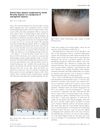
March 2013 in “British Journal of Dermatology” Woman has discoid lupus, frontal fibrosing, and androgenetic alopecia.
 December 2022 in “bioRxiv (Cold Spring Harbor Laboratory)”
 The new vaccine platform led to a stronger immune response and better protection against the flu than the traditional vaccine.
 April 2019 in “Journal of Investigative Dermatology”
 Wnt-signaling is regulated differently in skin cells and immune responses during wound healing.
 February 2022 in “Research Square (Research Square)”
 LGR5 is a marker found in hair follicle stem cells in various species and is important for hair growth and skin repair.
June 2020 in “Research Square (Research Square)” The study found key long non-coding RNAs involved in yak hair growth cycles.
 1 citations
,
June 2017 in “Nature Reviews Immunology”
1 citations
,
June 2017 in “Nature Reviews Immunology” Immune cells called Treg cells are essential for hair growth and regeneration.
1 citations
,
May 2023 in “The Journal of Immunology” CD4 T cells can cause alopecia areata by activating CD8 T cells to attack hair follicles.
9 citations
,
May 2021 in “Frontiers in aging neuroscience” Taking triterpenoids from Ganoderma lucidum over a long time can help slow down brain aging and improve overall health in mice.
9 citations
,
December 1991 in “Annals of the New York Academy of Sciences”  24 citations
,
April 2012 in “Developmental Biology”
24 citations
,
April 2012 in “Developmental Biology” Dermal papillae cells, important for hair growth, come from multiple cell lines and can be formed by skin cells, regardless of their origin or hair cycle phase. These cells rarely divide, but their ability to shape tissue may contribute to their efficiency in inducing hair growth.
 27 citations
,
May 2007 in “Archives of dermatological research”
27 citations
,
May 2007 in “Archives of dermatological research” Diphencyprone treatment increases CD8 lymphocytes in the scalp, which is associated with hair regrowth in alopecia areata patients.