7 citations
,
October 1988 in “Clinics in Dermatology” Minoxidil can promote hair growth in hairless mice.
January 2006 in “Chinese Journal of Dermatology” Latanoprost helps pig hair follicles grow faster by keeping them in the growth phase longer.
 48 citations
,
July 1993 in “The journal of investigative dermatology/Journal of investigative dermatology”
48 citations
,
July 1993 in “The journal of investigative dermatology/Journal of investigative dermatology” Hair growth is controlled by specific gene clusters and proteins, and cysteine affects hair gene expression in sheep.
 2 citations
,
October 2010 in “Journal of dermatological treatment”
2 citations
,
October 2010 in “Journal of dermatological treatment” External treatments can change hair growth patterns in nude mice.
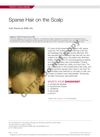
A 5-year-old girl has sparse, dry, and brittle hair but is otherwise healthy.
 June 2022 in “Authorea (Authorea)”
 A 59-year-old woman was diagnosed with a rare hair loss condition called lipedematous alopecia.
 196 citations
,
March 2016 in “Nature Communications”
196 citations
,
March 2016 in “Nature Communications” Genetic factors influence hair traits like shape, color, and greying in Latin Americans.
81 citations
,
September 2009 in “Birth defects research” Different body areas in mice produce different hair types due to interactions between skin layers.
39 citations
,
November 2007 in “Journal of Histochemistry & Cytochemistry” NG2 is crucial for normal skin and hair development in mice.
November 2022 in “Journal of Investigative Dermatology” ILC1-like cells can cause alopecia areata by affecting hair follicles.
 11 citations
,
July 2008 in “International Journal of Dermatology”
11 citations
,
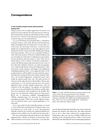
July 2008 in “International Journal of Dermatology” Greying hairs may be protected from alopecia areata.
 2 citations
,
January 2019 in “Dermatology Review”
2 citations
,
January 2019 in “Dermatology Review” Pigmented vellus and upright regrowing hairs predict hair regrowth in severe alopecia.

Yonnyuniksoogobon-dan, an herbal mix, was found to promote hair growth in mice.
 25 citations
,
October 1996 in “Dermatologic Clinics”
25 citations
,
October 1996 in “Dermatologic Clinics” Loose Anagen Syndrome causes easy-to-pull, thin hair, mainly in young girls, and improves with age.
 12 citations
,
September 2018 in “Naturwissenschaften”
12 citations
,
September 2018 in “Naturwissenschaften” Melatonin treatment increases a specific RNA in goat cells that boosts cashmere growth.
ILC1-like cells may contribute to hair loss in alopecia areata and could be new treatment targets.
September 2016 in “European Journal of Pediatric Dermatology/PD. European journal of pediatric dermatology” Ulerythema ophryogenes causes hair thinning and inflammation, with limited treatment options.
3 citations
,
May 1991 in “Journal of Investigative Dermatology” 8 citations
,
March 2007 in “The journal of investigative dermatology/Journal of investigative dermatology” The near-naked hairless mutation causes hair loss but is not due to a mutation in the hairless gene itself.
 15 citations
,
December 2014 in “PLoS ONE”
15 citations
,
December 2014 in “PLoS ONE” A mutation in the iRhom2 gene causes hairless mice due to abnormal hair follicle development.
 14 citations
,
September 2018 in “Asian-Australasian Journal of Animal Sciences”
14 citations
,
September 2018 in “Asian-Australasian Journal of Animal Sciences” Rex rabbits' hair follicles develop dynamically in the first 8 weeks, with key genes and proteins changing over time.
150 citations
,
May 1993 in “The journal of cell biology/The Journal of cell biology” Mouse Notch is important for determining cell roles in hair follicles.
Loose anagen syndrome causes easy hair shedding in children, often resolving on its own.
 May 2024 in “Cell proliferation”
 Melatonin helps hair grow by activating a specific signaling pathway.
 2 citations
,
December 1995 in “Pediatrics”
2 citations
,
December 1995 in “Pediatrics” Infant hair loss is usually temporary and grows back without treatment.
 13 citations
,
July 2012 in “Pigment Cell & Melanoma Research”
13 citations
,
July 2012 in “Pigment Cell & Melanoma Research” A mutation in the Adam10 gene causes freckle-like spots on Hairless mice.
 13 citations
,
January 2014 in “Postępy Dermatologii i Alergologii”
13 citations
,
January 2014 in “Postępy Dermatologii i Alergologii” Patchy alopecia areata can affect only pigmented hairs, leaving gray hairs untouched.
 5 citations
,
June 2023 in “BMC genomics”
5 citations
,
June 2023 in “BMC genomics” A specific gene mutation causes long hair in Angora rabbits.
8 citations
,
October 2024 in “Developmental Cell”  77 citations
,
July 2020 in “Cell”
77 citations
,
July 2020 in “Cell” Muscles and nerves that cause goosebumps also help control hair growth.