 1 citations
,
January 2021 in “Journal of Dermatology and Dermatologic Surgery”
1 citations
,
January 2021 in “Journal of Dermatology and Dermatologic Surgery” Taking Vitamin D supplements may increase the risk of skin darkening after laser hair removal.
 2 citations
,
August 2016 in “Lasers in Surgery and Medicine”
2 citations
,
August 2016 in “Lasers in Surgery and Medicine” Photodynamic therapy can remove nonpigmented hair in mice and might work for humans.
21 citations
,
January 2007 in “Journal of Drugs in Dermatology” The laser effectively removes hair for skin types IV and V but is less effective for type VI.
 March 2026 in “Cosmetics”
 Using enzymes with laser hair removal may reduce unwanted hair growth better than laser alone.
 60 citations
,
December 2015 in “Lasers in Medical Science”
60 citations
,
December 2015 in “Lasers in Medical Science” Low-level laser therapy is safe and can increase hair growth for male and female pattern hair loss.
33 citations
,
May 2016 in “Translational andrology and urology” Laser hair removal before genital surgery can prevent complications and improve patient satisfaction.
 31 citations
,
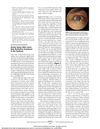
October 2012 in “Archives of ophthalmology”
31 citations
,
October 2012 in “Archives of ophthalmology” Laser hair reduction near the eyebrows can cause serious eye injuries even with safety measures.
 March 2026 in “Clinical Cosmetic and Investigational Dermatology”
 Effective hair removal is crucial for better cosmetic results in forehead flap reconstruction, with laser hair removal being the preferred method.
15 citations
,
September 2014 in “Dermatologic surgery” Diode laser removes hair better but is more painful than intense pulsed light.
115 citations
,
January 2002 in “American Journal of Clinical Dermatology”  112 citations
,
July 1998 in “Journal of Investigative Dermatology”
112 citations
,
July 1998 in “Journal of Investigative Dermatology” Ruby laser pulses best destroy hair follicles during the growth phase and effectiveness varies with laser intensity; melanin is key for targeting, and timing treatments can improve results.
 March 2026 in “Healthcare”
 Improving understanding of laser hair removal can reduce anxiety and help people make better decisions.
 20 citations
,
December 2003 in “Journal of Cosmetic and Laser Therapy”
20 citations
,
December 2003 in “Journal of Cosmetic and Laser Therapy” An 800nm diode laser safely and effectively reduces hair for about 8 months, with most patients satisfied and few side effects.
 10 citations
,
January 2010 in “Indian journal of dermatology, venereology, and leprology”
10 citations
,
January 2010 in “Indian journal of dermatology, venereology, and leprology” Long pulsed Nd: YAG laser is safe and effective for long-term hair reduction in darker skin types.
 October 2025 in “International Journal of Research in Dermatology”
 New laser technologies and methods are safer and more effective for hair removal on darker skin tones.
 160 citations
,
January 2009 in “Clinical Drug Investigation”
160 citations
,
January 2009 in “Clinical Drug Investigation” HairMax LaserComb® effectively promotes hair growth and stops hair loss in males with androgenetic alopecia, with no serious side effects.
12 citations
,
January 2011 in “Current problems in dermatology” Lasers and IPL are the most efficient for short-term hair removal, especially for people with dark hair and light skin, but require multiple sessions for longer-lasting effects.
 6 citations
,
April 2012 in “Lasers in surgery and medicine”
6 citations
,
April 2012 in “Lasers in surgery and medicine” Laser hair removal can cause a severe itchy rash in some allergic individuals, treatable with steroids.
December 2005 in “Springer eBooks” Laser hair removal is generally effective, with results varying by laser type and patient.
 101 citations
,
June 2005 in “Journal of The American Academy of Dermatology”
101 citations
,
June 2005 in “Journal of The American Academy of Dermatology” Very few people experience increased hair growth after laser hair removal, especially those with darker skin and black hair.
 10 citations
,
January 2013 in “Journal of The European Academy of Dermatology and Venereology”
10 citations
,
January 2013 in “Journal of The European Academy of Dermatology and Venereology” The home-use IPL device effectively reduced hair and delayed its regrowth after six months of use, with users happy and no negative side effects.
 27 citations
,
December 2001 in “Clinical and experimental dermatology”
27 citations
,
December 2001 in “Clinical and experimental dermatology” Different hair removal methods have pros and cons, and more evidence is needed to prove laser treatments work.
 11 citations
,
February 2008 in “British journal of nursing”
11 citations
,
February 2008 in “British journal of nursing” Idiopathic hirsutism causes excessive hair growth in women, can be treated with medication and hair removal, but cannot be fully reversed.
 3 citations
,
May 2024 in “Cureus”
3 citations
,
May 2024 in “Cureus” Laser hair removal improves life quality short-term for women with PCOS-related hirsutism.
 November 2019 in “Harper's Textbook of Pediatric Dermatology”
 Understanding normal hair growth and loss in children is key to diagnosing and treating hair disorders.
 2 citations
,
August 1994 in “The Journal of Dermatologic Surgery and Oncology”
2 citations
,
August 1994 in “The Journal of Dermatologic Surgery and Oncology” The article concludes that hair transplantation is advancing, but a reliable way to ensure complete tumor removal is still needed.
 April 2003 in “Journal of Cutaneous Medicine and Surgery”
 Lasers are effective for some skin conditions but can cause side effects like scarring and pigment changes; careful selection is important, and botulinum toxin type A is successful in reducing sweat in palmar hyperhidrosis.
January 2015 in “Journal of cosmetics, dermatological sciences and applications” The combined technology safely and effectively removes hair at home on dark skin.
1 citations
,
January 2023 in “Skin Appendage Disorders” Radiofrequency devices can help remove or grow hair, but more research is needed.
 4 citations
,
January 2011 in “Current problems in dermatology”
4 citations
,
January 2011 in “Current problems in dermatology” At-home laser and light devices can safely reduce acne and hair growth when used correctly but are less effective than professional treatments.