Search
for
Sort by
Research
330-360 / 1000+ results 
research A comparison of vertical versus transverse sections for the histopathologic diagnosis of alopecias
Transverse sections are better for non-scarring hair loss, vertical sections are better for lichen planopilaris, and either method works for other scarring hair loss types.
research 14. Wound Healing; Cutaneous Therapy; Hair
Some treatments like topical oxygen and stem cells show promise for wound healing and hair growth, but evidence for modern dressings over traditional ones is limited.
research MINOXIDIL NA FARMÁCIA ESTÉTICA: ANÁLISE DA SUA EFICÁCIA NO TRATAMENTO DA ALOPECIA
Minoxidil is a safe and effective hair loss treatment, with pharmacists enhancing its benefits.
research Sulfotransferase SULT1A1 activity in hair follicle, a prognostic marker of response to the minoxidil treatment in patients with androgenetic alopecia: a review
Sulfotransferase SULT1A1 activity may predict minoxidil treatment success for hair loss.
research Analysis of Female Pattern Hair loss
Early treatment of Female Pattern Hair Loss is important to stop it from getting worse, and various treatments can help, especially in mild to moderate cases.
research Female pattern hair loss
Female pattern hair loss, common in women, can be treated with various methods like minoxidil, anti-androgen treatments, and light therapy, but early intervention and realistic expectations are crucial.
research Bimatoprost Can Increase Growth and Density of Eyebrow Hair: A Prospective Study on a Group of Young Women
Bimatoprost is more effective than sweet almond oil for enhancing eyebrow growth.
research Clobetasol propionate 0.05% under occlusion in the treatment of alopecia totalis/universalis
Clobetasol propionate ointment can help some people with total hair loss regrow hair.
research Alopecia and Hair Damage Induced by Oncological Therapy
Cancer treatments often cause hair loss and damage, affecting patients' mental health.
research Alopecia areata, actualización clínica y terapéutica
Understanding and treating alopecia areata improves patient care.
research Neurosteroids Are Endogenous Neuroprotectants in an Ex Vivo Glaucoma Model
A natural steroid in the body may protect against eye damage in glaucoma.
research Pantolactams as androgen receptor antagonists for the topical suppression of sebum production
Pfizer found that pantolactam-based compounds can reduce sebum (skin oil) production when applied topically.
research Hair loss due to treatment of multiple sclerosis
Hair loss from multiple sclerosis treatments is usually temporary.
research Liarozole—a novel treatment approach for advanced prostate cancer: results of a large randomized trial versus cyproterone acetate
Liarozole may be more effective than cyproterone acetate for treating advanced prostate cancer, with better PSA response and survival rates, while maintaining quality of life.
research Eyebrow growth pattern analysis in patients with eyebrow hypotrichosis after receiving topical treatment: A retrospective study
Topical bimatoprost 0.01% improves eyebrow density and diameter, especially at the tail.
research COMPARATIVE EFFICACY OF TOPICAL CLOBETASOL PROPIONATE 0.05% OINTMENT AND TOPICAL TACROLIMUS 0.1% OINTMENT IN THE TREATMENT OF ALOPECIA AREATA
Clobetasol propionate 0.05% ointment is more effective than tacrolimus 0.1% ointment for treating alopecia areata.
research [Bimatoprost promotes hair growth of reconstructed hair follicles in mice through activation of the Wnt/β-catenin signaling pathway].
Bimatoprost helps mouse hair grow by turning on a specific growth pathway.
research CLINICAL PEARLS
The document discusses challenges in eye care, including treating melanoma before macular hole repair, bloody tears resolved by blood pressure control, eyelash regrowth in hair-pulling disorder with medication, a non-invasive method to detect eyelash mites, and the psychological factors affecting contact lens comfort.
research Angle closure in fellow eye with prophylactic pilocarpine treatment
Prophylactic pilocarpine may not prevent angle closure in the other eye.
research Comparison of Systemic Mycophenolate Mofetil with Topical Clobetasol in Lichen Planopilaris: A Parallel-Group, Assessor- and Analyst-Blinded, Randomized Controlled Trial
Topical clobetasol is recommended over mycophenolate mofetil for treating Lichen Planopilaris due to better safety and patient satisfaction.
research Expanding the therapeutic versatility of clacosterone
Clascoterone cream could be used for other skin conditions affected by hormones.
research Non-Steroidal Modulation of the 5-Alpha Reductase Axis: A Dual Therapeutic Strategy for Prostatic Chemoprevention and Androgenetic Alopecia
LX-38 is a safer drug option for hair loss and prostate issues without hormonal side effects.
research Non-Steroidal Modulation of the 5-Alpha Reductase Axis: A Dual Therapeutic Strategy for Prostatic Chemoprevention and Androgenetic Alopecia
LX-38 is a safer drug option for treating prostate issues and hair loss without hormonal side effects.
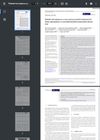
research Platelet‐rich plasma as a new and successful treatment for lichen planopilaris: A controlled blinded randomized clinical trial
Platelet-rich plasma (PRP) is an effective treatment for lichen planopilaris.
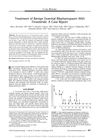
research Treatment of Benign Essential Blepharospasm With Finasteride
Finasteride helps treat eyelid spasms.
research Comparative evaluation of the efficacy of topical tacrolimus 0.03% and topical calcipotriol 0.005% mixed with betamethasone dipropionate versus topical clobetasol 0.05% in treatment of alopecia areata: A clinical and trichoscopic study
The combination of vitamin D analogues with potent steroids is a favorable treatment for alopecia areata with fewer side effects.
research Topical Spironolactone in the Treatment of Ocular Graft-Versus-Host Disease
Topical spironolactone may help treat ocular graft-versus-host disease with minimal side effects.
research A Prospective, Multicenter, Open-label Study to Evaluate the Safety and Efficacy of a Cream Containing Xyloglucan, Pea Protein, and Opuntia ficus-indica Extract Versus Calcipotriol/Betamethasone in Adult Patients with Mild-to-moderate Psoriasis.
The cream with xyloglucan, pea protein, and cactus extract works as well as the standard treatment for psoriasis and is well-tolerated.