 June 2023 in “Medicine and Pharmacy Reports”
 A woman with a specific mutation causing adrenal gland issues faced fertility problems, but careful hormone therapy helped her manage it successfully.
 4 citations
,
January 1989 in “Journal of Steroid Biochemistry”
4 citations
,
January 1989 in “Journal of Steroid Biochemistry” Women with hyperandrogenism have higher androgen levels and lower SHBG, which may contribute to conditions like excessive hair growth and early puberty.
January 2017 in “Elsevier eBooks” Congenital Adrenal Hyperplasia is mainly caused by enzyme deficiencies, leading to varying symptoms like hormone imbalances and physical changes.
 2 citations
,
January 2002 in “Hormone Research in Paediatrics”
2 citations
,
January 2002 in “Hormone Research in Paediatrics” Molecular diagnostics help identify genetic defects causing endocrine diseases, improving diagnosis and treatment options.
 151 citations
,
December 2004 in “Annals of the New York Academy of Sciences”
151 citations
,
December 2004 in “Annals of the New York Academy of Sciences” Congenital Adrenal Hyperplasia is a genetic disorder with two forms, causing symptoms like early puberty and severe acne, but can be identified through screening and treated with glucocorticoids.
24 citations
,
March 1996 in “Postgraduate Medical Journal” Most women with hirsutism in the UAE have polycystic ovary syndrome (PCOS).
 2 citations
,
October 2022 in “Frontiers in genetics”
2 citations
,
October 2022 in “Frontiers in genetics” Late diagnosis of congenital adrenal hyperplasia can greatly affect physical development, gender identity, and sexual health.
 13 citations
,
May 1996 in “Archives of Disease in Childhood”
13 citations
,
May 1996 in “Archives of Disease in Childhood” Siblings with signs of virilization should be tested for non-classical congenital adrenal hyperplasia, which does not affect adult height but may impact fertility and well-being if untreated.
 216 citations
,
November 1999 in “Fertility and Sterility”
216 citations
,
November 1999 in “Fertility and Sterility” Testing basal 17-HP levels is a good way to screen for nonclassic adrenal hyperplasia in women with high androgen levels.
 31 citations
,
February 1997 in “The Journal of Clinical Endocrinology and Metabolism”
31 citations
,
February 1997 in “The Journal of Clinical Endocrinology and Metabolism” People who carry the 21-Hydroxylase Deficiency gene are not more likely to have excessive male hormone levels.
 5 citations
,
May 2019 in “Hormone and Metabolic Research”
5 citations
,
May 2019 in “Hormone and Metabolic Research” Women with nonclassic 21-hydroxylase deficiency can have successful pregnancies through IVF, with certain factors affecting their chances.

Low-dose glucocorticoid treatment improves pregnancy and birth rates in women with nonclassical 21-hydroxylase deficiency.
 117 citations
,
May 2017 in “Human Reproduction Update”
117 citations
,
May 2017 in “Human Reproduction Update” The update highlights that non-classic congenital adrenal hyperplasia is common in women with excess male hormones, requires specific hormone tests for diagnosis, and has various treatment options depending on age and symptoms.
 25 citations
,
September 2015 in “Clinical Endocrinology”
25 citations
,
September 2015 in “Clinical Endocrinology” Using 17-hydroxyprogesterone levels to diagnose nonclassic congenital adrenal hyperplasia can result in many incorrect diagnoses.
 94 citations
,
July 2020 in “European Journal of Human Genetics”
94 citations
,
July 2020 in “European Journal of Human Genetics” The guidelines ensure accurate genetic testing and reporting for 21-hydroxylase deficiency.
 19 citations
,
August 1999 in “European journal of endocrinology”
19 citations
,
August 1999 in “European journal of endocrinology” The study concluded that testing hormone levels after stimulation is not reliable for identifying carriers of 21-hydroxylase deficiency; genetic testing is necessary.
13 citations
,
June 2006 in “Fertility and Sterility” Nonclassic 21-hydroxylase deficiency is a common, treatable genetic disorder causing reversible symptoms like acne and hair loss.
 1 citations
,
August 2012 in “Journal der Deutschen Dermatologischen Gesellschaft”
1 citations
,
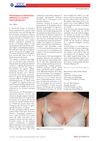
August 2012 in “Journal der Deutschen Dermatologischen Gesellschaft” A woman's hyperandrogenism was caused by a genetic mutation leading to non-classic adrenogenital syndrome.
June 2025 in “Molecular Genetics & Genomic Medicine” Severe genetic variants in children with a specific adrenal condition match predicted symptoms well, but milder variants do not.
 30 citations
,
June 2012 in “Current Opinion in Endocrinology, Diabetes and Obesity”
30 citations
,
June 2012 in “Current Opinion in Endocrinology, Diabetes and Obesity” Nonclassic congenital adrenal hyperplasia is a genetic disorder causing hormone imbalances, affecting fertility and requiring personalized treatment.
 42 citations
,
April 2013 in “Steroids”
42 citations
,
April 2013 in “Steroids” Non-classic congenital adrenal hyperplasia is a common disorder causing symptoms like acne and infertility, and it's managed based on symptoms, not just test results. Treatment can improve fertility and reduce miscarriage risk.
 1 citations
,
January 2016 in “Medicinski glasnik Specijalne bolnice za bolesti štitaste žlezde i bolesti metabolizma”
1 citations
,
January 2016 in “Medicinski glasnik Specijalne bolnice za bolesti štitaste žlezde i bolesti metabolizma” Most 46XX CAH patients have female identity, but a few identify as male and may need treatment and surgery.
 46 citations
,
July 1988 in “Journal of The American Academy of Dermatology”
46 citations
,
July 1988 in “Journal of The American Academy of Dermatology” Hormone imbalances can cause specific skin changes, which may help in early detection of endocrine disorders.
 150 citations
,
November 2007 in “The Journal of Clinical Endocrinology and Metabolism”
150 citations
,
November 2007 in “The Journal of Clinical Endocrinology and Metabolism” About 2.2% of women with symptoms of high male hormones have a mild form of congenital adrenal hyperplasia, and measuring a specific hormone level can accurately diagnose it.
 55 citations
,
August 2008 in “Reviews in endocrine and metabolic disorders”
55 citations
,
August 2008 in “Reviews in endocrine and metabolic disorders” Nonclassic adrenal hyperplasia is a genetic condition that can cause early puberty and fertility problems, treated with specific steroids.
 1540 citations
,
October 2008 in “Fertility and Sterility”
1540 citations
,
October 2008 in “Fertility and Sterility” The report concludes that PCOS is mainly a condition of excess male hormones and its definition may change as new information is discovered.
 49 citations
,
January 2010 in “International Journal of Pediatric Endocrinology”
49 citations
,
January 2010 in “International Journal of Pediatric Endocrinology” The document concludes that Nonclassic Congenital Adrenal Hyperplasia requires personalized treatment plans to manage symptoms and fertility, with glucocorticoids being a common therapy.
 26 citations
,
March 2009 in “Dermato-endocrinology”
26 citations
,
March 2009 in “Dermato-endocrinology” The document concludes that diagnosing and treating Congenital Adrenal Hyperplasia is complex and requires a team approach due to its effects on the skin and other symptoms.
 2 citations
,
April 2013 in “Expert Review of Endocrinology & Metabolism”
2 citations
,
April 2013 in “Expert Review of Endocrinology & Metabolism” Identifying nonclassic congenital adrenal hyperplasia and carriers of CYP21 mutations is challenging, and genetic counseling is recommended due to their prevalence.
 157 citations
,
May 2021 in “Endocrine Reviews”
157 citations
,
May 2021 in “Endocrine Reviews” Early diagnosis and individualized treatment improve outcomes for Congenital Adrenal Hyperplasia.