 21 citations
,
February 2012 in “Journal of the European Academy of Dermatology and Venereology”
21 citations
,
February 2012 in “Journal of the European Academy of Dermatology and Venereology” Late-onset alopecia areata in Taiwanese patients is more common in women, usually starts at age 57, often involves less than 10% hair loss, and may have a minimal link to thyroid issues.
 7 citations
,
January 2017 in “Dermatology”
7 citations
,
January 2017 in “Dermatology” People who get alopecia areata after age 50 usually have mild symptoms, high chances of hair regrowth, and often have other health conditions.
December 2025 in “International Journal of Dermatology” Björnstad syndrome can cause hair loss similar to androgenetic alopecia, and treatment with baricitinib and minoxidil may help.
May 2025 in “The Journal of Dermatology”  1 citations
,
August 2021 in “Journal of The American Academy of Dermatology”
1 citations
,
August 2021 in “Journal of The American Academy of Dermatology” Baricitinib was effective in treating both early and late onset alopecia areata.
 2 citations
,
January 2018 in “Annals of Dermatology”
2 citations
,
January 2018 in “Annals of Dermatology” Early hair loss may be linked to metabolic syndrome.
227 citations
,
November 2004 in “Medicine” Older adults diagnosed with lupus show less severe symptoms but have a lower survival rate, often due to age-related factors.
 88 citations
,
October 2020 in “Open Forum Infectious Diseases”
88 citations
,
October 2020 in “Open Forum Infectious Diseases” Some people who recover from COVID-19 continue to have symptoms like fatigue and cough for over 120 days, and some experience hair loss about 59 days after getting sick.
 August 2024 in “Journal of Dermatology & Cosmetology”
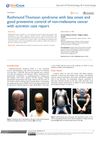
 Acitretin effectively prevented skin cancer in a patient with late-onset Rothmund-Thomson syndrome.
1 citations
,
January 2025 in “Pediatria i Medycyna Rodzinna” Accurate diagnosis and zinc supplements can improve life quality in acrodermatitis enteropathica, even with normal zinc levels.
 January 2023 in “Przegla̧d dermatologiczny”
 There are two main types of alopecia areata with different severity, and diagnosis is made through clinical examination and trichoscopy, influencing treatment choices.
Korean patients with androgenetic alopecia may have a higher risk of heart-related health issues and could benefit from early heart screening and healthier lifestyles.
 January 1986 in “Journal of Steroid Biochemistry”
 Women with severe acne, hirsutism, and androgenic alopecia often have higher levels of certain androgens, but the specific pattern can't be predicted just by looking at symptoms.
 5 citations
,
December 2004 in “Dermatology”
5 citations
,
December 2004 in “Dermatology” Two women with very high androgen levels had only slight skin issues, one due to a non-classical adrenal disorder and the other due to an adrenal tumor.
 4 citations
,
January 1989 in “Journal of Steroid Biochemistry”
4 citations
,
January 1989 in “Journal of Steroid Biochemistry” Women with hyperandrogenism have higher androgen levels and lower SHBG, which may contribute to conditions like excessive hair growth and early puberty.
38 citations
,
January 2012 in “Journal of Korean Medical Science” Early-onset alopecia, especially with a family history, leads to worse outcomes and more related health issues.
1 citations
,
January 2019 in “Dermatology Online Journal” A rare skin condition appeared on a 19-year-old woman's scalp.
 1 citations
,
August 2021 in “Internal Medicine Journal”
1 citations
,
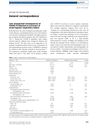
August 2021 in “Internal Medicine Journal” After severe COVID-19, 71% of patients experienced excessive hair shedding and thinning within 3 months due to factors like low oxygen levels, medication, stress, and autoimmune disease.
11 citations
,
June 2015 in “Scientific Reports” The mtDNA N haplogroup is linked to a higher risk of late-onset lupus and specific symptoms in Han Chinese women.
 9 citations
,
January 2001 in “Dermatologic Surgery”
9 citations
,
January 2001 in “Dermatologic Surgery” Hair loss in women often starts in their late 20s and peaks after 50, and it's different from male hair loss.
 29 citations
,
March 2019 in “JEADV. Journal of the European Academy of Dermatology and Venereology/Journal of the European Academy of Dermatology and Venereology”
29 citations
,
March 2019 in “JEADV. Journal of the European Academy of Dermatology and Venereology/Journal of the European Academy of Dermatology and Venereology” Older age at onset of alopecia areata leads to less severe and shorter episodes, with most patients experiencing significant hair regrowth.
 December 2024 in “PubMed”
 A man with a rare disease experienced late hair whitening and loss, but hair color returned, suggesting a good outlook.
 29 citations
,
February 2016 in “Scandinavian journal of urology”
29 citations
,
February 2016 in “Scandinavian journal of urology” Late puberty may slightly lower prostate cancer risk, baldness is not linked to overall risk but less so with aggressive types, ibuprofen use may increase risk, and vitamins show no effect on risk.
June 2025 in “British Journal of Dermatology” Standardized forms and digital tools can improve alopecia biopsy diagnosis.
 January 2017 in “Turkiye Klinikleri Journal of Dermatology”
 A 9-month-old baby had a rare, persistent ring-shaped hair loss condition.
 1 citations
,
February 1993 in “Nursing Standard”
1 citations
,
February 1993 in “Nursing Standard” Many drugs, not just chemotherapy, can cause reversible hair loss.
3 citations
,
October 2024 in “Archives of Dermatological Research” Alopecia areata is linked to blood cancers, especially in older patients, but not to most solid cancers.
 3 citations
,
January 2019 in “Journal of Dermatology”
3 citations
,
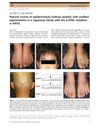
January 2019 in “Journal of Dermatology” The p.P25L mutation in the KRT5 gene causes a rare skin condition that worsens over time and may lead to hair loss starting in young adulthood.
11 citations
,
September 2021 in “American Journal of Medical Genetics Part A” Four new cases of Bachmann-Bupp syndrome suggest potential for targeted treatment.
 May 2019 in “Australasian Journal of Dermatology”
 The document discusses hair and nail conditions, updates on treatments for alopecia, and controversies around finasteride use.