 88 citations
,
October 2020 in “Open Forum Infectious Diseases”
88 citations
,
October 2020 in “Open Forum Infectious Diseases” Some people who recover from COVID-19 continue to have symptoms like fatigue and cough for over 120 days, and some experience hair loss about 59 days after getting sick.
1 citations
,
January 2025 in “Pediatria i Medycyna Rodzinna” Accurate diagnosis and zinc supplements can improve life quality in acrodermatitis enteropathica, even with normal zinc levels.
 7 citations
,
January 2017 in “Dermatology”
7 citations
,
January 2017 in “Dermatology” People who get alopecia areata after age 50 usually have mild symptoms, high chances of hair regrowth, and often have other health conditions.
Juvenile-onset lupus patients have more severe symptoms and need stronger treatment.
5 citations
,
December 2014 in “Molecular cytogenetics” A specific genetic change is linked to mental disorders, intellectual disability, and possibly autoimmune disease in a family.
 58 citations
,
December 2018 in “Nature Communications”
58 citations
,
December 2018 in “Nature Communications” Male pattern baldness is mostly inherited, involves many genes, and is linked to other traits like early puberty and strong bones.
 4 citations
,
January 1989 in “Journal of Steroid Biochemistry”
4 citations
,
January 1989 in “Journal of Steroid Biochemistry” Women with hyperandrogenism have higher androgen levels and lower SHBG, which may contribute to conditions like excessive hair growth and early puberty.
 6 citations
,
March 2020 in “Anais brasileiros de dermatologia/Anais Brasileiros de Dermatologia”
6 citations
,
March 2020 in “Anais brasileiros de dermatologia/Anais Brasileiros de Dermatologia” Most people in Turkey start getting gray hair around 33 years old, with factors like age, education, hair loss, skin type, family history, and anxiety playing a role.

Korean patients with androgenetic alopecia may have a higher risk of heart-related health issues and could benefit from early heart screening and healthier lifestyles.
 2 citations
,
December 2023 in “Mediterranean Journal of Rheumatology”
2 citations
,
December 2023 in “Mediterranean Journal of Rheumatology” Late onset SLE has different symptoms and antibody profiles compared to young onset SLE.
 21 citations
,
February 2012 in “Journal of the European Academy of Dermatology and Venereology”
21 citations
,
February 2012 in “Journal of the European Academy of Dermatology and Venereology” Late-onset alopecia areata in Taiwanese patients is more common in women, usually starts at age 57, often involves less than 10% hair loss, and may have a minimal link to thyroid issues.
A rare skin condition in a 17-year-old was diagnosed late, stressing the need for careful evaluation and genetic testing.
38 citations
,
January 2012 in “Journal of Korean Medical Science” Early-onset alopecia, especially with a family history, leads to worse outcomes and more related health issues.
 1 citations
,
August 2021 in “Internal Medicine Journal”
1 citations
,
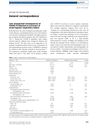
August 2021 in “Internal Medicine Journal” After severe COVID-19, 71% of patients experienced excessive hair shedding and thinning within 3 months due to factors like low oxygen levels, medication, stress, and autoimmune disease.
 January 2023 in “Przegla̧d dermatologiczny”
 There are two main types of alopecia areata with different severity, and diagnosis is made through clinical examination and trichoscopy, influencing treatment choices.
The document concludes that antiandrogenic drugs like cyproterone acetate and spironolactone are effective but not permanent treatments for skin-related androgenization in women.
 December 2024 in “PubMed”
 A man with a rare disease experienced late hair whitening and loss, but hair color returned, suggesting a good outlook.
 29 citations
,
March 2019 in “JEADV. Journal of the European Academy of Dermatology and Venereology/Journal of the European Academy of Dermatology and Venereology”
29 citations
,
March 2019 in “JEADV. Journal of the European Academy of Dermatology and Venereology/Journal of the European Academy of Dermatology and Venereology” Older age at onset of alopecia areata leads to less severe and shorter episodes, with most patients experiencing significant hair regrowth.
 2 citations
,
January 2002 in “Hormone Research in Paediatrics”
2 citations
,
January 2002 in “Hormone Research in Paediatrics” Molecular diagnostics help identify genetic defects causing endocrine diseases, improving diagnosis and treatment options.
13 citations
,
August 2020 in “Der Hautarzt” Excessive male hormones in women cause symptoms like unwanted hair growth, and treatment requires careful medical evaluation.
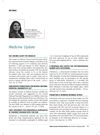
The CDC reports 23 measles cases in unvaccinated US kids, new treatments for eosinophilic esophagitis and osteopenia are approved, poor sleep may cause migraines, atopic dermatitis could lead to asthma, migraines might increase Crohn's disease risk, cancer may raise heart disease risk, gout is linked to prostate issues, Cabo Verde is malaria-free, social factors and vitamin D affect dementia risk, smoking increases hair loss risk, certain drugs might lower thyroid disease risk in arthritis, noma is a neglected disease, and meal timing could impact heart health.
June 2025 in “British Journal of Dermatology” Standardized forms and digital tools can improve alopecia biopsy diagnosis.
 14 citations
,
July 2021 in “Reviews in endocrine and metabolic disorders”
14 citations
,
July 2021 in “Reviews in endocrine and metabolic disorders” SARS-CoV-2, the virus causing COVID-19, can affect all endocrine organs and systems, altering their function and potentially leading to disorders. Factors like diabetes and obesity increase infection risk and severity. Understanding these effects is key for effective treatment.
 532 citations
,
August 2011 in “Journal of the American Academy of Dermatology”
532 citations
,
August 2011 in “Journal of the American Academy of Dermatology” Vitiligo is a skin condition causing white spots, more common in women, often starts before age 20, and can affect mental health.
 58 citations
,
November 2020 in “International Journal of Dermatology”
58 citations
,
November 2020 in “International Journal of Dermatology” COVID-19 may cause a temporary hair loss condition called telogen effluvium in some patients after recovery.
 8 citations
,
May 2012 in “Clinical and Experimental Dermatology”
8 citations
,
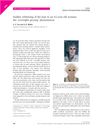
May 2012 in “Clinical and Experimental Dermatology” An 82-year-old woman's hair turned white suddenly, likely due to a rare form of alopecia that targets pigmented hair.
 56 citations
,
June 2001 in “European journal of cardiovascular prevention & rehabilitation”
56 citations
,
June 2001 in “European journal of cardiovascular prevention & rehabilitation” Early balding linked to higher heart disease risk.
 17 citations
,
February 2019 in “Journal of Clinical Medicine”
17 citations
,
February 2019 in “Journal of Clinical Medicine” Testosterone replacement therapy should be used for men with low testosterone levels and symptoms of hypogonadism, after careful diagnosis and considering individual needs.
 20 citations
,
January 2005 in “Australasian Journal of Dermatology”
20 citations
,
January 2005 in “Australasian Journal of Dermatology” A woman had a skin condition with increased normal elastic fibers, not related to other known disorders, likely due to aging.
 December 2024 in “Clinical Cosmetic and Investigational Dermatology”
 Elderly patients with eruptive skin bumps may have clear cell syringoma linked to glucose issues.