 March 2026 in “Medeniyet Medical Journal”
 EH-MSCs may help treat hair loss by boosting regeneration and reducing inflammation.
November 2025 in “Journal of Investigative Dermatology” Certain CD8+ T cells attack hair follicles in alopecia areata, suggesting they could be targeted for treatment.
 52 citations
,
March 2010 in “British Journal of Dermatology”
52 citations
,
March 2010 in “British Journal of Dermatology” Alopecia areata shows a unique type 1 interferon signature, suggesting potential treatment by targeting this pathway.
 54 citations
,
February 1993 in “Endocrine reviews”
54 citations
,
February 1993 in “Endocrine reviews” Androgen conjugates might be better indicators of skin sensitivity to hormones in women with excessive hair growth.
October 2014 in “Archives of Disease in Childhood” Growth hormone therapy can improve symptoms and growth in children with Vitamin-D Dependent Rickets Type-2.
 September 2017 in “Journal of Investigative Dermatology”
 HIF-1A may aid hair growth, Backhousia citriodora improves skin, autologous cells stabilize hair loss, infrared thermography assesses alopecia, and a new treatment preserves hair.
54 citations
,
September 2012 in “The journal of investigative dermatology/Journal of investigative dermatology” Vitamin A affects hair loss and immune response in alopecia areata.
 40 citations
,
March 1982 in “British Journal of Dermatology”
40 citations
,
March 1982 in “British Journal of Dermatology” Young women with diffuse hair loss may have low SHBG levels, which could lead to more active testosterone and contribute to their hair loss.
September 2023 in “Journal of the American Academy of Dermatology” Increased Treg cells and IL-10 may help quick recovery in acute diffuse and total alopecia.
 13 citations
,
June 2018 in “Journal of histochemistry and cytochemistry/The journal of histochemistry and cytochemistry”
13 citations
,
June 2018 in “Journal of histochemistry and cytochemistry/The journal of histochemistry and cytochemistry” Laminin-511 may contribute to psoriasis by affecting skin cell growth and survival.
1 citations
,
May 2025 in “Fayoum University Medical Journal/Fayoum University Medical Journal ” Certain gene variations are linked to alopecia areata.
135 citations
,
October 1997 in “Journal of biological chemistry/The Journal of biological chemistry” Trichohyalin is modified by enzymes to form strong structures in hair cells.
 April 2019 in “Journal of Investigative Dermatology”
 Testosterone affects androgen receptors and lipid storage in cells, while DHEA does not convert to testosterone or affect these receptors in the same way.
Higher PD-1 levels mean fewer CD8+ T cells in alopecia areata hair follicles.
 2 citations
,
September 2002 in “Journal of Endocrinological Investigation”
2 citations
,
September 2002 in “Journal of Endocrinological Investigation” The GH-IGF-I axis is likely involved in the hormonal imbalances seen in non-obese women with functional hyperandrogenism.
 25 citations
,
August 2014 in “Endocrinology”
25 citations
,
August 2014 in “Endocrinology” Researchers created a mouse model of a type of rickets that does not cause hair loss.
 April 2018 in “Journal of Investigative Dermatology”
 The role of γδT-cells in causing alopecia areata remains unclear.
 32 citations
,
December 2009 in “Archives of Dermatological Research”
32 citations
,
December 2009 in “Archives of Dermatological Research” Dihydrotestosterone increases certain inflammatory signals in skin cells, potentially contributing to acne.
 1 citations
,
July 2023 in “Al-Azhar Medical Journal”
1 citations
,
July 2023 in “Al-Azhar Medical Journal” Higher antigliadin antibodies are linked to more severe alopecia areata, suggesting screening for celiac disease in these patients.
1 citations
,
August 2016 in “Journal of Investigative Dermatology” Vδ1+ T-cells in the skin contribute to hair loss in alopecia areata and could be targeted for treatment.
April 2019 in “Journal of the Endocrine Society” Sex hormones may be linked to inflammation in Hidradenitis Suppurativa.
 8 citations
,
January 2016 in “Annals of Dermatology”
8 citations
,
January 2016 in “Annals of Dermatology” A complex of 5-aminolevulinic acid and glycyl-histidyl-lysine peptide may help increase hair count in male pattern hair loss without side effects.
DHEA inhibits growth in both mouse and human melanoma cells but works differently in each.
37 citations
,
August 2011 in “Journal of Bone and Mineral Research” A girl had rickets due to a gene mutation affecting vitamin D response.
1 citations
,
October 2018 in “The American journal of gastroenterology” Relapsing hepatitis A can cause prolonged abnormal liver tests even without symptoms.
2 citations
,
September 2024 in “Pharmaceuticals” Human placenta hydrolysate reduces inflammatory pain and nerve damage in mice.
134 citations
,
July 2020 in “Experimental dermatology” Hair follicles are normally protected from the immune system, but when this protection fails, it can cause hair loss in alopecia areata.
 19 citations
,
September 2011 in “Journal of Dermatological Science”
19 citations
,
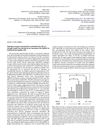
September 2011 in “Journal of Dermatological Science” TGF-β1 increases androgen receptor activity in hair loss, but Hic-5/ARA55 can counter this effect.
1 citations
,
March 2022 in “Journal of biological chemistry/The Journal of biological chemistry” Removing a specific gene in certain skin cells causes hair loss in mice by disrupting hair follicle development.
 6 citations
,
June 2018 in “Journal of pediatric endocrinology & metabolism/Journal of pediatric endocrinology and metabolism”
6 citations
,
June 2018 in “Journal of pediatric endocrinology & metabolism/Journal of pediatric endocrinology and metabolism” Patients with the same genetic mutation for vitamin D-resistant rickets showed different symptoms but all improved with treatment except for hair loss.