 July 2021 in “British Journal of Dermatology”
 The pandemic likely caused delays in skin cancer assessments, leading to fewer early diagnoses and thicker melanomas.
Different types of sun exposure damage skin cells and immune cells, with chronic exposure leading to more severe and lasting damage.
 December 2020 in “Journal of clinical and investigative dermatology”
 A man with syphilitic alopecia and neurosyphilis was successfully treated with penicillin, leading to symptom improvement and resolution of hair loss.
 October 2020 in “Medicine - Programa De Formación Médica Continuada Acreditado”
 Female hyperandrogenism is a condition caused by too much male hormones, leading to skin issues and ovulation problems, often due to Polycystic Ovary Syndrome, and is treated based on individual symptoms.
 April 2020 in “The Egyptian Journal of Plastic and Reconstructive Surgery”
 Both follicular unit extraction and scalp expanders effectively treat secondary cicatricial alopecia, with scalp expanders leading to quicker and denser hair growth.
Taking too much biotin can mess up blood test results, which might lead to wrong diagnoses and treatments.
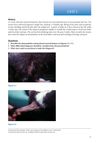 May 2019 in “Small Animal Dermatology”
 The cat had a rare condition linked to cancer, leading to its euthanasia.
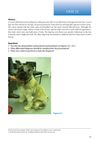 May 2019 in “Small Animal Dermatology”
 The dog had sebaceous adenitis, treated with ciclosporin, leading to some hair regrowth.
April 2019 in “The journal of investigative dermatology/Journal of investigative dermatology” A specific mutation in the TRPV3 gene causes hair follicle cells to develop improperly, leading to hair loss.
April 2019 in “Journal of the Endocrine Society” A 31-year-old woman was diagnosed with Complete Androgen Insensitivity Syndrome much later than usual, leading to a call for earlier detection and treatment guidelines.