January 2022 in “Case Reports in Clinical Medicine” Infrared light helped heal acid burns and improved neck movement.
Low-level laser therapy is a safe, painless method that effectively treats acne and improves skin without post-treatment care.
 1 citations
,
July 2013 in “Hair transplant forum international”
1 citations
,
July 2013 in “Hair transplant forum international” Advancements in hair follicle culture have led to better understanding and potential treatments for hair loss.
 December 2024 in “Medical alphabet”
 Combining erbium laser, laser blood irradiation, and minoxidil is most effective for treating diffuse alopecia.
January 2026 in “Clinical Case Reports” A 6-year-old girl had both monilethrix and trichorrhexis nodosa, causing brittle hair, with minimal improvement from treatment.
 August 2015 in “Free Radical Biology and Medicine”
 Nrf2 helps protect skin from damage but too much can cause skin problems.
6 citations
,
August 2011 in “Anais Brasileiros de Dermatologia” Vellus hair cysts can cause acne-like bumps that don't respond to treatment.
 1 citations
,
April 2018 in “Lasers in Surgery and Medicine”
1 citations
,
April 2018 in “Lasers in Surgery and Medicine” New treatments and technologies in laser medicine show promise for improving skin conditions, fat reduction, cancer treatment, wound healing, and hair restoration.
 23 citations
,
September 2011 in “Journal of Dermatological Science”
23 citations
,
September 2011 in “Journal of Dermatological Science” Red LED light helps mouse hair grow by increasing growth factors from skin cells.
 38 citations
,
January 2023 in “International Journal of Medical Sciences”
38 citations
,
January 2023 in “International Journal of Medical Sciences” Red-light therapy may slow myopia progression better than traditional treatments.
 1057 citations
,
November 2011 in “Annals of Biomedical Engineering”
1057 citations
,
November 2011 in “Annals of Biomedical Engineering” Low-level Laser Therapy may help reduce inflammation, pain, and aid healing, but more research is needed to confirm its effectiveness and establish standard treatment guidelines.
 33 citations
,
January 2021 in “Aesthetic Surgery Journal”
33 citations
,
January 2021 in “Aesthetic Surgery Journal” Low-Level Light Therapy (LLLT) is a safe and effective method for skin rejuvenation, acne treatment, wound healing, body contouring, and hair growth, but more well-designed trials are needed for confirmation.
 January 2012 in “Human health handbooks”
 Low-level light therapy is FDA-approved for male pattern hair loss, increases hair count and strength, and is considered safe for use.
 60 citations
,
November 2020 in “International Journal of Medical Sciences”
60 citations
,
November 2020 in “International Journal of Medical Sciences” NIR light therapy may effectively treat eye diseases and improve brain function without side effects.
 September 2018 in “The Medical Journal of Cairo University/The Medical Journal of Cairo University”
 Polarized light therapy helps hair regrowth in alopecia areata patients.
 11 citations
,
February 2020 in “Dermatology and therapy”
11 citations
,
February 2020 in “Dermatology and therapy” Low-Level Light Therapy significantly reduced inflammation and promoted hair regrowth in patients with Lichen planopilaris.
 4 citations
,
February 2014 in “Proceedings of SPIE”
4 citations
,
February 2014 in “Proceedings of SPIE” Low-Level Light Therapy is effective for skin rejuvenation, wound healing, and hair growth, with mild side effects.
 June 2011 in “CRC Press eBooks”
 Low-Level Laser Therapy can stimulate healing and cell function, potentially leading to wider medical use.
 21 citations
,
August 2013 in “Journal of Dermatological Treatment”
21 citations
,
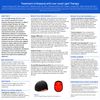
August 2013 in “Journal of Dermatological Treatment” Low-level light therapy may help hair regrowth, but more research is needed.
 November 2025 in “SKIN The Journal of Cutaneous Medicine”
 Low-level light therapy safely increases hair growth in various types of hair loss.
 7 citations
,
December 2020 in “Clinics in Dermatology”
7 citations
,
December 2020 in “Clinics in Dermatology” Some alopecia treatments might help treat COVID-19, but more research is needed.
 106 citations
,
April 2013 in “Dermatologic Surgery”
106 citations
,
April 2013 in “Dermatologic Surgery” Low-level light therapy safely improves hair growth and thickness for androgenetic alopecia.
 65 citations
,
March 2016 in “Lasers in Medical Science”
65 citations
,
March 2016 in “Lasers in Medical Science” Most low-level light therapy studies did not accurately report how light was measured, affecting treatment reliability.
 31 citations
,
June 2018 in “Dermatologic Surgery”
31 citations
,
June 2018 in “Dermatologic Surgery” Low-level light therapy safely improves hair coverage, thickness, and count in androgenetic alopecia patients.
 8 citations
,
July 2020 in “Medicine”
8 citations
,
July 2020 in “Medicine” Helmet-like device safely increases hair density for people with hair loss.
 34 citations
,
May 2017 in “Lasers in Surgery and Medicine”
34 citations
,
May 2017 in “Lasers in Surgery and Medicine” Combining low-level light therapy and minoxidil 5% is more effective for female hair loss than using either treatment alone.
 8 citations
,
October 2020 in “Lasers in Medical Science”
8 citations
,
October 2020 in “Lasers in Medical Science” LLLT helps treat hair loss by increasing blood flow, reducing inflammation, and stimulating growth factors.
 6 citations
,
November 2018 in “Photodiagnosis and Photodynamic Therapy”
6 citations
,
November 2018 in “Photodiagnosis and Photodynamic Therapy” A wearable cap-like device using light therapy reduced scalp skin lesions by 71% and was painless.
 5 citations
,
October 2020 in “Lasers in Medical Science”
5 citations
,
October 2020 in “Lasers in Medical Science” Combination therapy works best for female hair loss, increasing density and thickness.
 4 citations
,
May 2021 in “Lasers in Surgery and Medicine”
4 citations
,
May 2021 in “Lasers in Surgery and Medicine” Light therapy reduces scalp inflammation, boosts hair regrowth with Minoxidil 2%.