 June 2017 in “Journal of The American Academy of Dermatology”
 LED light helps hair follicle cells grow and prevents them from dying by activating certain cell pathways.
 May 2017 in “Journal of The American Academy of Dermatology”
 LED light helps human hair root cells grow and prevents them from dying by activating specific growth pathways.
January 2016 in “프로그램북(구 초록집)” LED light promotes hair growth by stimulating cell proliferation and reducing cell death.
297 citations
,
January 2002 in “Development” Overexpression of ΔNLef1 in mouse skin leads to hair loss, cysts, and skin tumors.
 April 2023 in “Journal of Investigative Dermatology”
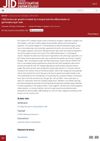
 Hair growth is driven by cells that move and change like a conveyor belt.
90 citations
,
August 2004 in “Physiological Genomics” Dermal papilla cells help skin stem cells grow into hair.
 September 2024 in “Genes”
 CRABP1 boosts hair cell growth in Hu sheep by affecting key genes.
 18 citations
,
July 2016 in “Medicine”
18 citations
,
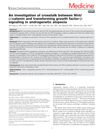
July 2016 in “Medicine” Wnt/β-catenin and TGF-β pathways affect hair loss, and activating Wnt/β-catenin could be a potential treatment.
 October 2024 in “Current Issues in Molecular Biology”
 Platycladus orientalis leaf extract helps hair grow by activating certain proteins.
 4 citations
,
August 2017 in “Cosmetics”
4 citations
,
August 2017 in “Cosmetics” The extract reduced sebum production and promoted hair growth.
FGF5 spliceosomes inhibit rabbit hair growth by affecting gene expression.
 May 2017 in “Journal of The American Academy of Dermatology”
 LED light helps human hair root cells grow and move by activating certain cell pathways.
 2 citations
,
October 2022 in “Jikken Dobutsu”
2 citations
,
October 2022 in “Jikken Dobutsu” Philippines stingless bee propolis helps hair grow by activating a specific cell signaling pathway.
September 2025 in “Science Advances” PADI4 enzyme slows down cell growth in developing hair follicles.
 June 2021 in “National Medical Journal of China”
 Bimatoprost helps mouse hair grow by turning on a specific growth pathway.
 10 citations
,
May 2020 in “Journal of Dermatological Treatment”
10 citations
,
May 2020 in “Journal of Dermatological Treatment” Microneedling with 5% minoxidil improves hair loss in Chinese men by activating Wnt/ß-catenin pathway.
18 citations
,
April 2016 in “Molecular Genetics and Genomics” Thymosin beta 4 may help hair growth and could be a treatment for hair issues.
 555 citations
,
July 2001 in “Genes & Development”
555 citations
,
July 2001 in “Genes & Development” Tcf3 and Lef1 are key in deciding skin stem cell roles.
 57 citations
,
January 2013 in “International Journal of Medical Sciences”
57 citations
,
January 2013 in “International Journal of Medical Sciences” Lef1 helps stem cells become hair cells by interacting with specific signaling pathways.
 37 citations
,
April 2011 in “Journal of Biological Chemistry”
37 citations
,
April 2011 in “Journal of Biological Chemistry” LEF1 interacts with Vitamin D Receptor, affecting hair follicle regeneration and this could be linked to hair loss conditions.
 13 citations
,
September 2018 in “Scientific Reports”
13 citations
,
September 2018 in “Scientific Reports” The research found that a complex gene network, controlled by microRNAs, is important for hair growth in cashmere goats.
 July 2022 in “Research Square (Research Square)”
 Certain miRNAs may play a role in sheep hair follicle development, which could help improve wool production.
 February 2023 in “International Journal of Molecular Sciences”
 Exosomes from skin cells can boost hair growth by stimulating a gene called LEF1.
 7 citations
,
August 2020 in “Animal biotechnology”
7 citations
,
August 2020 in “Animal biotechnology” A specific RNA in cashmere goats helps improve hair growth by interacting with certain molecules.
 January 2004 in “Enshou saisei”
 Follistatin is important for hair growth and could help treat hair loss.
 9 citations
,
January 2018 in “Stem Cells International”
9 citations
,
January 2018 in “Stem Cells International” Deer antler stem cell fluid helps regenerate tissue better than fat-derived stem cell fluid.
 9 citations
,
December 2002 in “Novartis Foundation Symposium”
9 citations
,
December 2002 in “Novartis Foundation Symposium” LEF1 is essential for the development of airway glands and is regulated by the Wnt/ß-catenin pathway.
1 citations
,
May 2022 in “International journal of molecular sciences” Faulty LEF1 activation causes faster skin cell differentiation in premature aging syndrome.
 15 citations
,
December 2014 in “PLoS ONE”
15 citations
,
December 2014 in “PLoS ONE” A mutation in the iRhom2 gene causes hairless mice due to abnormal hair follicle development.
 7 citations
,
September 2017 in “Scientific Reports”
7 citations
,
September 2017 in “Scientific Reports” Mice with too much sPLA₂-IIA have hair loss and poor wound healing due to abnormal hair growth and stem cell depletion.